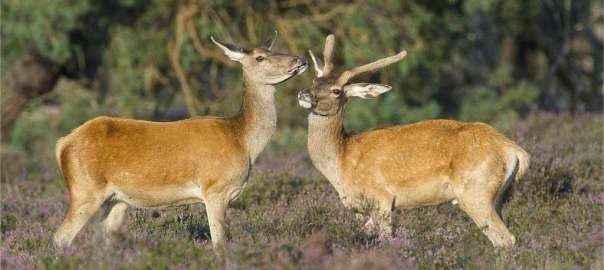
The deer rut season, also called the mating season, is a fascinating period within the lives of deer, marked by intense behavioral changes and interesting mating rituals. Understanding the timing and dynamics of this season is vital for wildlife lovers and hunters alike.
If you are a seasonal hunter and are looking to know when is deer mating season, then this article is for you. In this article, we are able to look into the numerous aspects of the deer rut, providing you with a clear understanding of when to comes seasonal rutting for deer. Let’s move ahead in our article.
When Does Deer Rut Start?
The deer rut season varies depending on the species and location. In general, the deer rut can start as early as September and extend into December, with peak activity usually occurring in October and November.
The timing of the rut is influenced by factors such as the availability of food, weather conditions, and the age and health of the deer population.
If we speak about white-tailed deer, the rutting season lasts about 3 weeks in the Northern Hemisphere. You will see that the rut season typically happens most of the time in a year in tropical zones.
The deer rut season commonly lasts for some weeks to more than one month, depending on the species and the place.
The actual timing and period of the rut can vary based on factors including the deer population, environmental conditions, and genetic elements.
What Triggers The Start Of Deer Rutting Season?
Deer rut season is brought about through a mixture of factors that are prompted by biological and environmental cues.
1. Change of Photoperiod
One of the main triggers for the deer rut season is the converting photoperiod, or the length of daylight. As the days get shorter and the nights get longer, it signals to deer that it is time to start breeding. This trade-in photoperiod is detected via the deer’s pineal gland, which then releases hormones that stimulate the reproductive device.
2. Environmental Factors
In addition to photoperiod, other environmental elements can also play a role in triggering the rutting season. For instance, modifications in temperature and climate patterns can influence the timing of mating.
Cooler temperatures and shorter days in the fall may be signs to deer that it is time to start breeding. Similarly, modifications in food availability and quality can also affect the mating period of deer.
When meals are plentiful and of high quality, deer are much more likely to have successful pregnancies and raise healthy offspring.
3. Social Factors
Social factors also play a role in triggering the rutting season. Male deer, or bucks, emerge as more aggressive and territorial in the course of this time, competing for mates.
The presence of other bucks and the supply of receptive female deer can stimulate the beginning of the deer rutting season. Bucks will interact in various behaviors consisting of rubbing trees, scraping the ground, and vocalizing to establish dominance and entice females.
4. Geographic Location
It’s vital to know that rutting season can vary depending on the species of deer and their geographic region. Different species of deer have different breeding seasons, and even within a species, there may be regional variations in timing.
Additionally, factors such as the deer’s population density, habitat, and personal fitness can also influence when the rutting season starts for a particular group of deer.
How Does Mating Season Vary Between Deer Species?
The deer rut season varies among exceptional species of deer. Each species has its own particular behaviors and timing for this important period in its reproductive cycle.
1. White-Tailed Deer
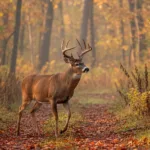
White-tailed deer, one of the most common species in North America, generally experience the rut from October to December. Bucks will rub their antlers in opposition to timber to mark their territory and appeal to ladies. They can even thrust back other males to be able to establish dominance and stable mating opportunities.
2. Mule Deer
In contrast, mule deer have a rutting season that commonly starts in November and extends into December. Mule deer bucks exhibit comparable behaviors to white-tailed deer, but in addition, they use a unique behavior known as “tending,” wherein they follow a female for an extended period till she is receptive to mating.
3. Wapiti
Elk, also referred to as wapiti, have a rutting season that usually takes place from September to October. During this time, dominant bull elk collect a group of girls, known as a harem, and guard them from other men. They use bugling calls and show their big antlers to intimidate opponents and appeal to friends.
4. Some Other Species
Other species of deer, which include red deer and yellow deer, also have awesome rutting seasons that can vary depending on their area and environmental elements. These species may additionally showcase comparable behaviors to white-tailed deer and elk throughout the rutting season.
When Are Deer Most Active During The Rut?
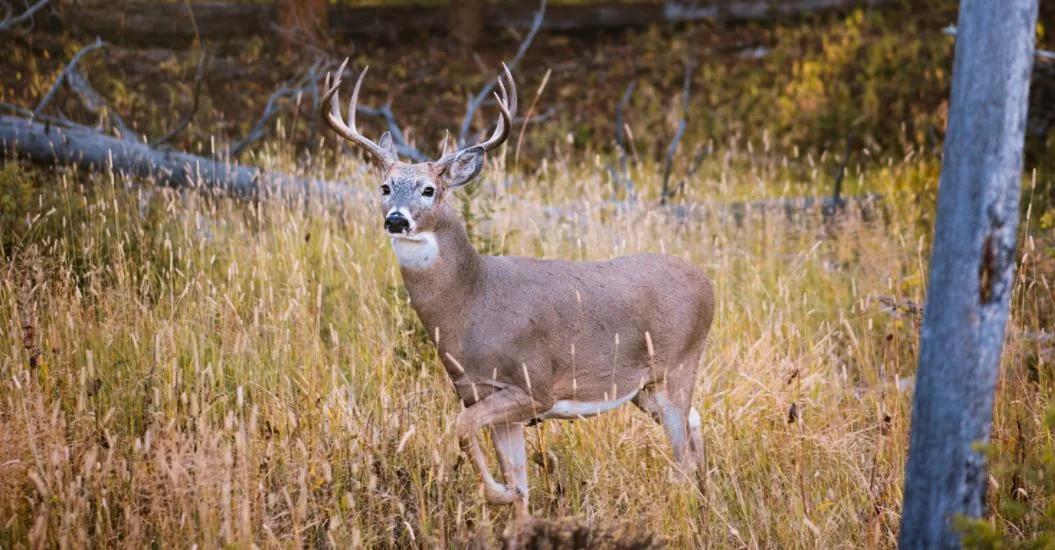
During deer rut season, which typically takes place in the fall, deer are most active for the duration of the early morning and late evening hours. This is when they’re actively attempting to find buddies and protect their territories.
Bucks, particularly, are regarded as extra active at some point in time as they compete for dominance and are seeking out compatible friends. They might also interact in behaviors such as rubbing timber, scraping the floor, and vocalizing to attract girls and intimidate rival bucks.
It is important for hunters and nature world fans to be aware of these top interest instances throughout the rutting season so that they will increase their chances of gazing or encountering deer in the wild.
How Do Bucks Compete For Mates?
During the rutting season, bucks employ various strategies to compete for mates. Antler wrestling is a prominent display of dominance, where bucks lock antlers and engage in physical contests to establish hierarchy.
Vocalizations, such as grunts and roars, convey dominance and attract females. Bucks also mark territory by rubbing antlers on trees and emitting scents, signaling their presence.
“Tending” behavior involves a buck closely following a receptive doe, ensuring exclusivity by warding off rival males. These intense and varied tactics showcase the competitive nature of bucks in their pursuit of mates.
What Will Be The Impact of Mating Season?
1. Animal Vehicle Collisions
One of the primary effects of deer mating season is the growth in animal-car collisions. As animals become extra active and focused on mating, they will be less aware of their environment, leading to a multiplied chance of crossing roads or highways.
This can pose a danger to both the animals and drivers, and it’s far more important for motorists to be more vigilant at this stage in this time. Check out more about How to Do With a Roadkill Deer.
2. Ecological Implications
Rutting season additionally has ecological implications. The extended movement and behavior of animals may have an effect on plant life and habitats.
For example, male deer might also rub their antlers against trees to mark their territory, leading to damage to bark and tree mortality. Additionally, the multiplied motion of animals can disrupt ecosystems and affect the distribution of seeds and flora.
3. Sustainability
From a conservation attitude, rutting season can offer opportunities for researchers and wildlife managers to take a look at animal behavior and population dynamics.
By monitoring mating styles and reproductive fulfillment, scientists can benefit from treasured insights into the health and sustainability of deer populations.
How Does Hunting Affect Deer Rutting Patterns?
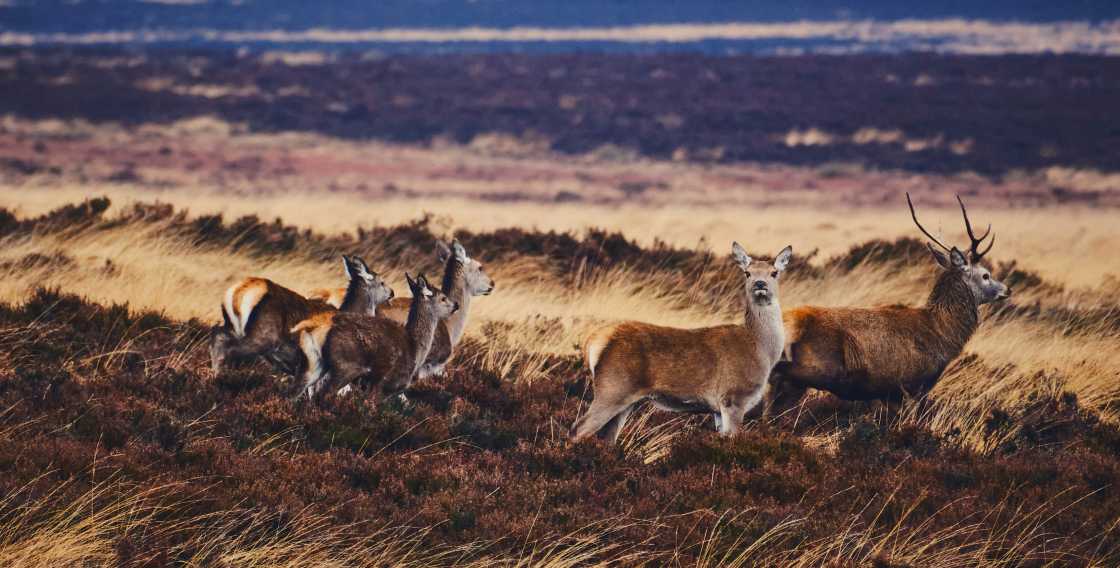
Hunting significantly impacts deer mating patterns, primarily through changes in behavior and activity. High hunting pressure often causes deer, especially bucks, to become more nocturnal, making them elusive during the rut.
Persistent hunting disrupts mating activities, as bucks become more cautious and less vocal. Changes in buck movements, selective harvest impacts on the gene pool, increased stress levels, and adaptation to hunting pressure further contribute to the dynamic.
Ethical and sustainable hunting practices, coupled with effective wildlife management, are essential to ensure the long-term health and balance of deer populations during the rutting season.
Is It The Best Time To Hunt Deer During Rutting Or After?
The satisfactory time to seek deer depends on your search options and goals.
During the rutting season, that’s when deer are mating, and bucks are extra active, there can be extra possibilities to spot and song deer. However, the improved activity can also make deer more alert and cautious, making it extra difficult to get near for a smooth shot.
After the season, deer can be more centered on finding food and replenishing their energy, which could make them more predictable in their actions.
Ultimately, the first-class time to hunt deer will vary depending on elements of location, climate conditions, and personal deer behavior.
Conclusion
In the end, the rutting season for deer is a charming period marked by profound behavioral adjustments and difficult mating rituals. Understanding its timing, triggers, and influences is essential for wildlife fanatics and hunters.
As deer interact in competitive strategies in the course of this season, searching influences rutting patterns, emphasizing the need for moral practices.
Whether it is the most fulfilling time to hunt during or after the rut is subjective, with issues along with location and deer behavior playing vital roles in decision-making.
Leave a Reply