The first deer hunting experience can be particularly challenging if you’ve never hunted before. Besides knowing specific deer hunting regulations, it is also necessary to learn things about gear, places, safety protocols, and effective tips that every hunter can follow.
If you are new to deer hunting, these tips will help you stay focused on what really matters and avoid the mistakes most beginners make.
Starting With The Right Methods
Everyone has their own hunting styles, so there is no single best way to hunt deer. Some hunters like still hunting, some prefer hunting from a stand, and others spend long hours sitting in a blind.
For beginners, the best method is usually the one that lets you stay patient, stay quiet, and keep things simple.
Here we will talk about 2 common ways: tree stand hunting vs. ground blind hunting.
First, let’s take a closer look at each method, learn about its advantages and disadvantages, so you can know how to choose based on your style.
Tree Stands Hunting
The tree stands hunting can give you a good view of the landscape, keep your scent away from the ground by elevating yourself, and reduce the chance of being spotted by deer.
However, it must be noted that the use of tree stands poses an additional safety risk. Each year, people are injured by falling from tree stands.
It is possible to get seriously injured when climbing tree stands if they are not properly secured. Thus, this might not be suitable for a first-time beginner.
Ground Blind Hunting
Deer hunting from ground blinds is done by most hunters.
Hunting ground blinds provide you with good concealment and allow you to get close to the targets without being spotted. Furthermore, ground blinds protect against rain, wind, and snow.
Using ground blinds has some downsides, though. It is possible to limit your movement, visibility, and shooting lane.
You can only see what is around you from your vantage point. And if you don’t see a deer, it might take a lot for you to reset up your blind elsewhere.
When Is The Best Time to Hunt Deer?
A lot of beginners think deer hunting is all about luck, but timing matters a lot. Deer usually move more in the early morning and late evening, especially when the weather starts to change.
Early Season
It’s still early in the hunting season, so deer haven’t been subjected to much hunting pressure.
Hunters have a better chance of spotting deer when they have more freedom to roam around the landscape, so the early season is a great time for deer hunting.
Moreover, the early hunting season is easier for tracking and spotting bucks since they are still in their summer patterns and groups.
During the Rut
Early season can be good, but many hunters will tell you the rut is when things really start to happen.
It’s a good time to hunt during the deer rutting season in full swing. Bucks move more and are actively hunting does. You are more likely to spot them outside of their comfort zone.
The best tip is do not wait for the ”perfect” time or day. New hunters often spend too much time waiting and not enough time learning. Get out when you can and start building experience.
Best Time of Day for Hunting
The most active time for deer might be at dawn and dusk when they are seeking food and mates. This increased activity makes them more visible and increases the likelihood of being seen.
Knowing the best times of day to hunt deer will allow you to prepare properly for your hunt. Additionally, no matter where you hunt, make sure you adhere to all legal hunting laws.
Where Should Beginners Hunt Deer?
When you’re just getting started, finding a place to hunt is the biggest issue. You have two options: public lands and private lands.
The government generally provides free access to public lands, but private lands require a landowner’s permission.
Public Land
Public land has the advantage of being available to everyone and free, so anyone can access it.
However, there is a great possibility that successful hunting will be harder because so many hunters out there. And it will be more difficult to find deer on these high-pressure lands.
📢Read also: How to Pick the Right Hunting Spot on Public Land?
Private Land
The best way to hunt on private land is to purchase or lease it if you have enough budget.
Private land owners can lease their personal hunting grounds to anyone. Besides, hunting pressure is lower on private hunting lands, so you have more chances of spotting and harvesting game.
Leasing hunting land can be tricky and troublesome. To avoid any pitfalls, check out this: Guide to Lease a Hunting Land.
Best Location to Hunt
Look for spots near food, water, bedding cover, and travel routes, such as Field edges, creek bottoms, crossings, and oak flats. There are spots that deer usually visit.
If you are hunting public land, try to avoid where other hunters are likely to go so you can avoid the most pressured areas.
One thing we always tell new hunters is this: do not just pick a spot because it looks good on a map. A good-looking place on paper is not always a good hunting spot.
Deer care about cover, safety, food, and movement patterns. So should you.
How to Scout Without Overthinking?
After determining the location for your hunting trip, the next step is to take a scouting trip. The purpose is to find out which areas are optimal for hunting and which types of animals can be found there.
E-Scouting
An electronic scout should be completed before taking the time to visit the land.
You can use online map or hunting app services to see the terrain and potential access points.
In this way, you can determine the best routes to take and the best areas to target without wasting your time.
Also, you will be able to access offline maps and historical weather for your hunt areas and drop markers on a map.
In-the-field Scouting
When you have located a good hunting area through E-scouting, walk the property if you can.
Look for tracks, droppings, trails, rubs, and bedding areas. Pay attention to where deer are coming from and where they are likely going. If you have trail cameras, use them as a tool to capture the deer movement pattern.
The biggest mistake beginners make is scouting too much and hunting too little. Scouting helps, but it is only useful if you use what you learned. Keep it simple, learn one area well, and build from there.
Bring Essential Equipment You Actually Need
There is no need to be fully prepared and own every gear before your first deer hunt.
In fact, too many gears can make things harder and waste your money. Focus on the basics first.
At minimum, you would need the following gear first:
Legal Documents
A hunting license and deer tag are the most important things you need to bring. Each state requires hunters to pass the hunter education and then get a legal hunting license.
You can bring the paper license or store it on your phone. Many states have made it easy to access though phone app.
Clothing and Footwear
Your clothes should match the weather and help you stay quiet. Wear comfortable layers that you can adjust as the temperature changes.
Hunter orange is required for safety in the field, especially during the deer gun season. It reduces the possibility that you are being mistaken for animals. Remember to pair your camo clothing with an orange vest/hat to increase visibility.
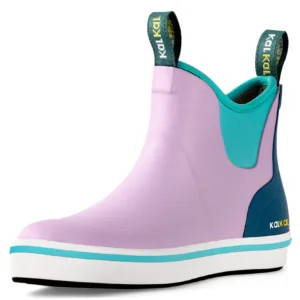
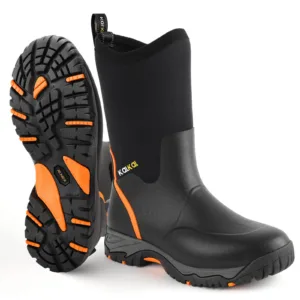
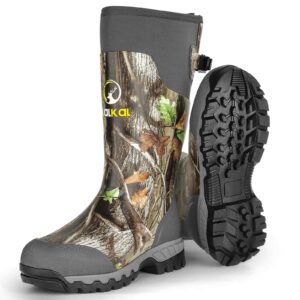
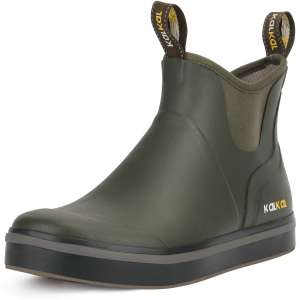
Good boots matter just as much as clothes. Deer hunting may require all day long in the field, and you want happy feet to keep you focused on the hunt. Insulated and waterproof hunting boots are suitable for fall and winter hunts.
Check out the Kalkal insulated hunting boots that have all the premium features to keep you comfortable and safe during a long day of hunting at ease.
Binoculars
A binoculars is one of the most useful hunting tools that enable you to identify your target from a greater distance, increasing your chances of success.
Besides, you will also need it for scouting the field and finding a potential spot to hunt.
Here we have reviewed some of the best options for your reference: 5 Best Binoculars For Hunting.
Rangefinders
Using a rangefinder, you can determine the distance between two objects. As a hunting tool, it measures the distance between you and the deer, allowing you to ensure shooting within effective range.
If you are new to shooting, you may need one of these. It can help build confidence and improve accuracy in shooting, especially in open areas.
Other Useful Basics
A few small items can make your hunt a lot easier. Bring a hunting knife, water, snacks, and a small day pack to carry everything.
A headlamp is also useful if you are walking in before daylight or packing out after dark.
Bow vs. Rifle
If you are still deciding between a bow and a rifle, choose the one that matches your skill level and the season you want to hunt.
A rifle is usually easier for beginners to learn and ensure a clear kill, while bowhunting requires more practice and closer shots.
There’s no wrong choice, but for your first season, many beginners find a rifle easier to start with.
Final Beginner Deer Hunting Gear Checklist:
Before your first hunt, make sure you have the basics covered:
- Hunting license and tags
- Weapon (rifle or bow) and ammo/arrows
- Proper clothing for the weather
- Comfortable, quiet boots
- Binoculars
- Small backpack with water and snacks
- Knife and basic field tools
Common Mistakes Beginner Deer Hunters Make
1. Hunt The Wrong Timing
One of the biggest mistakes is hunting at the wrong time of day.
A lot of beginners head out whenever it’s convenient, but deer movement is usually best early in the morning and late in the evening.
If you’re consistently hunting mid-day, you’re already working against yourself.
2. Not Knowing the Wind
Another common issue is not paying attention to the wind.
Deer rely heavily on their sense of smell, and if the wind is blowing your scent into the area you expect deer to come from, they’ll know you’re there long before you ever see them.
Learning to hunt with the wind in your favor is one of the fastest ways to improve. Some hunters recommend bringing some milkweed for hunting to easily detect wind direction.
3. Not Care About Noise
Many beginners also move too much or make unnecessary noise. It’s natural to get restless, especially on long sits, but constant movement is one of the easiest ways to get spotted.
Deer pick up on small changes quickly, so staying still and quiet matters more than most people think.
4. Think Too Much on Scouting
Another mistake is overcomplicating scouting. New hunters sometimes spend more time trying to gather perfect information than actually hunting.
Scouting is important, but you don’t need to know everything. A few clear signs, like the tracks, trails, and fresh activity, are already enough to get started.
5. Bring Too Many Gear
Gear is another thing where people go wrong. Too many gears will only slow you down in the field.
Some beginners buy too much equipment they don’t really need, while others overlook basics like good boots or weather-appropriate clothing. Comfort plays a big role in how long you can stay focused in the field.
6. Give Up Too Early
Finally, a good advice is: don’t expect quick success and also don’t get discouraged too fast. Deer hunting takes longer time than others.
You might sit for hours and not see anything, especially early on. That doesn’t mean you’re doing it wrong. Every trip out is part of your learning process.
Simple Plan for Your First Deer Hunt
Your first deer hunt does not need to be perfect. It just needs to happen. Experience and memory are more important than success.
A lot of beginners put too much pressure on themselves and expect to fill a tag right away. That is not how it usually works.
Start with a small plan. Pick one property, one method, one season, and one goal. Learn the area, how deer move, what the wind does, and how long you can stay still without getting restless. That is how you build real hunting skills.
The hunters who improve fastest are usually the ones who keep it simple and pay attention.
Conclusion
Hunting successfully is not easy, but the right equipment and knowledge can greatly enhance your chances of a successful hunt. We hope you’ve found these tips useful in this article.
So, to sum up, prepare well, know the basics, and stay focused on your hunt. Success may not come instantly, but with time, you’ll get there. After all, hunting is about the whole experience, from planning, waiting, to finally harvesting your prey. Happy hunting!
For more advance tatics about deer hunting, read our: Complete Deer Hunting Guide.
Leave a Reply