
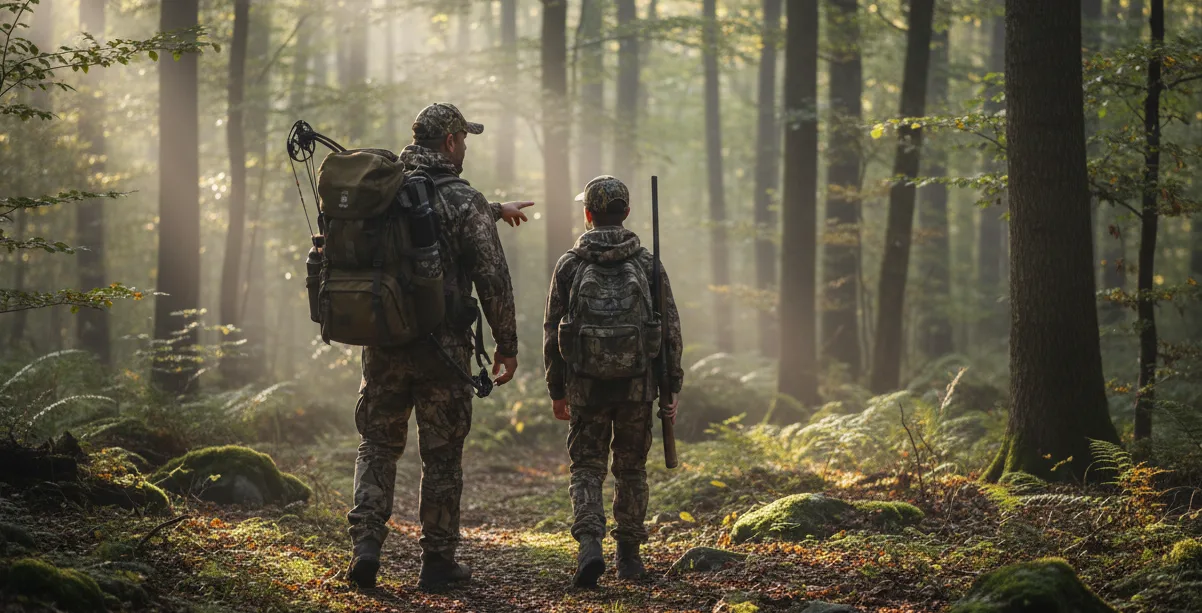
Look, getting your kid into hunting means wading through a bunch of regulations that change every time you cross a state line.
What’s legal in Wisconsin won’t be the same in New York. Some states let 8-year-olds hunt deer with supervision. Others make you wait until you’re practically in high school. And that’s just the age stuff.
There are also hunter education requirements, firearm restrictions, and supervision rules that vary wildly depending on where you live. This isn’t just bureaucratic nonsense, though. These laws exist to keep kids safe while giving them access to hunting traditions. Here’s what you actually need to know.
Basic Youth Regulations Every Parent Should Know
Youth Definition
Here’s something that’ll mess with you: “youth” doesn’t mean the same thing everywhere.
Most states draw the line at 16, but some push it to 18. Texas says you’re a youth until 17. California stops at 16.
And it gets weirder when you look at what they’re hunting. A kid might be old enough to hunt rabbits at 10, but has to wait until 12 for deer.
Same kid, same state, different rules based on the animal. Some states even treat waterfowl as its own category with separate age requirements.
So yeah, you can’t just assume. You’ve gotta check what your state considers a youth hunter for the specific thing your kid wants to hunt.
Minimum Age Requirements
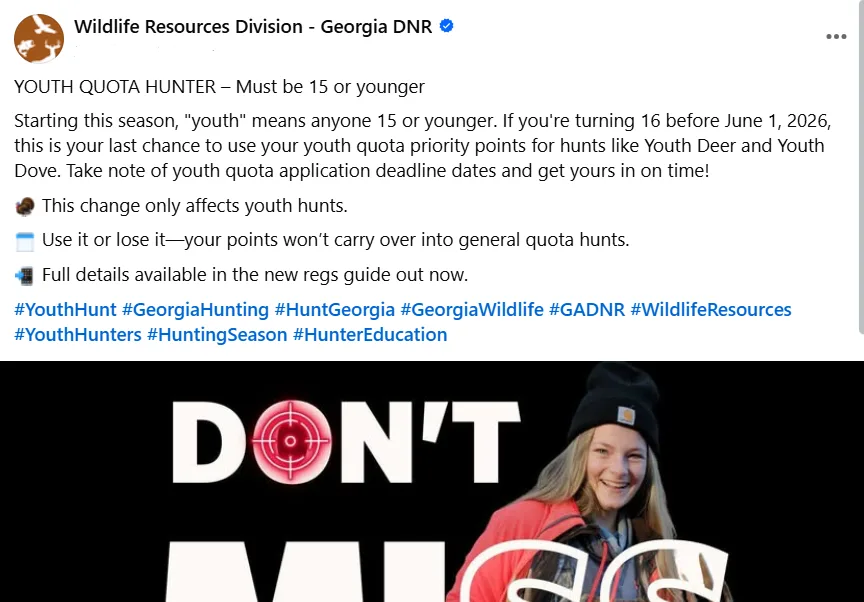
This is where things get interesting. Most states don’t actually set a hard minimum age for hunting if an adult’s right there supervising.
Wisconsin? No minimum age at all. You could technically have a six-year-old hunting deer if a parent maintains physical control and stays within arm’s reach.
But other states aren’t having it. New York says 12 minimum for big game, even with mom or dad standing right there. While Alaska lets 10-year-olds hunt certain species.
Usually, once a kid hits 16 and has hunter education under their belt, they can hunt solo. That’s the general pattern anyway.
Hunter Education
Pretty much every state requires hunter education before a young person hunts independently.
The courses cover firearm safety, how to identify what you’re shooting at, hunting ethics, and survival basics. Most run about 10-12 hours. You’ve got classroom stuff mixed with hands-on practice.
Some states make even supervised youth hunters take the course. Others waive it if a licensed adult stays within arm’s reach the whole time.
And then there’s the apprentice license system, which we’ll get to in a minute. That basically lets families try hunting before committing to the full education course.
Online options have made it easier this way. A lot of states now accept online courses that combine digital learning with one in-person field day. A few states even do it entirely online for youth hunters.
Supervision Rules
“Direct supervision” and “within arm’s reach” sound like the same thing. They’re not.
Direct supervision usually means the adult can see the kid and talk to them at all times. They need to be close enough to step in immediately if something goes sideways.
Within arm’s reach is stricter. The supervising adult has to stay close enough to literally touch the youth hunter. This usually applies to younger kids or complete beginners.
Some states require arm’s reach supervision for hunters under 12. They then allow direct supervision for hunters ages 12 to 15.
The adult doing the supervising needs a valid hunting license in most states. And they’re legally responsible for what the kid does. If the child breaks a rule, the adult can get hit with penalties too.
State-by-State Youth Hunting Age and License Reference
Alright, here’s where things get complicated because every state does its own thing. We’ve pulled together the key info on ages, hunting licenses, and discounts for some states.
This will give you a sense of how much variation there is.
| State | Minimum Age | Hunter Ed Required? | Apprentice License? | Reduced Fees | Official Link |
|---|---|---|---|---|---|
| Alabama | 8 | At age 12 | Yes | Yes | Alabama Wildlife |
| Alaska | 10 | At age 10 | Yes | Yes | Alaska Fish & Game |
| Arizona | No minimum | At age 10 | Yes | Yes | Arizona Game & Fish |
| Arkansas | No minimum | At age 16 | Yes | Yes | AR Game & Fish |
| California | No minimum | Always required | Yes | Yes | CA Wildlife |
| Colorado | No minimum | At age 18 | Yes | Yes | CO Parks & Wildlife |
| Connecticut | 12 | At age 12 | Yes | Yes | CT DEEP |
| Delaware | No minimum | At age 16 | Yes | Yes | DE Natural Resources |
| Florida | No minimum | At age 16 | Yes | Yes | FL Fish & Wildlife |
| Georgia | No minimum | At age 16 | Yes | Yes | GA Wildlife |
| Michigan | 10 | At age 10+ | Yes (Apprentice for 10+) | Yes | Michigan DNR |
| Texas | No minimum | Age 9+ | Yes | / | Texas Parks & Wildlife |
| Pennsylvania | 12 | Yes | Yes (for all ages) | Yes | PA Game Commission |
| Idaho | 10 (9 to apply) | Yes | Yes | Yes | Idaho Fish and Game |
| Wisconsin | 10 | Yes | Yes (Mentored Hunting program for <12) | Yes | Wisconsin DNR |
| Ohio | No minimum | Yes | Yes | Yes | Ohio Div. of Wildlife |
| Kansas | No minimum | Yes | Yes (Apprentice license for age 16+) | Yes | Kansas Wildlife & Parks |
| Montana | 12 | Yes | Yes (Apprentice options for 10+) | Yes | Montana FWP |
| Arizona | 10 | Yes | Yes (Apprentice options for 10-14) | Yes | Arizona Game & Fish |
| Colorado | 12 | Yes | Yes (Mentored program for 10-15) | / | Colorado Parks & Wildlife |
One thing jumps out when you look at this: there’s no standard approach. Some states have no minimum age. Others set specific cutoffs. The hunter education requirements are all over the place, too.
Most states have ‘Reduced Fee’ programs for young hunter licenses. In states like Texas or Arizona, a youth permit can cost as little as $5 to $10, making it an incredibly affordable way to introduce your kids to the outdoors.
Before you buy licenses or plan a hunting trip, check your specific state’s wildlife agency website. Regulations change, and you want current information to ensure a legal hunt.
What’s an Apprentice Hunting License?
Think of it like a test drive. An apprentice license lets someone hunt legally without finishing hunter education first.
They need a licensed adult with them the whole time, learning by doing instead of sitting in a classroom.
1. The Try Before You Buy Model
An apprentice hunting license is basically a “try it first” permit.
It lets a new or young hunter go out in the field without completing hunter education yet, as long as they’re with a licensed adult.
With the apprentice system, you can try and know whether the kid likes hunting or not before committing time and money to full certification.
Most states limit apprentice licenses to one or two years. During that time, the apprentice hunts under close supervision and learns through experience.
If hunting clicks, they move on to hunter education and get a regular license. If it doesn’t work out, you’ve only spent the cost of an apprentice license instead of investing in full certification for something they’ll never do again.
2. Key Restrictions
Time limits vary, but usually cap at two consecutive years. After that, you’ve gotta complete hunter education to keep hunting. Some states allow one year, others give you two or three.
The mentor needs a valid hunting license and has to stay right there with the apprentice. Most states require mentors to be at least 18 or 21. And in many places, a mentor can only supervise one apprentice at a time. Some allow two.
Apprentice licenses usually carry the same bag limits and season dates as regular licenses. The apprentice can legally harvest game, tag it with their license number, and it counts as theirs.
3. Moving to Full Licensure
Going from apprentice to licensed hunter means completing state hunter education. Most young hunters take the course after their first or second apprentice season.
They walk into class with field experience, which actually helps the safety and ethics stuff stick better.
Some states give apprentice graduates priority in hunter education courses or offer faster-track programs.
The apprentice time can count toward hunting experience, which matters for limited draw hunts or special youth seasons.
Firearm Restrictions and Safety for Minor Hunters
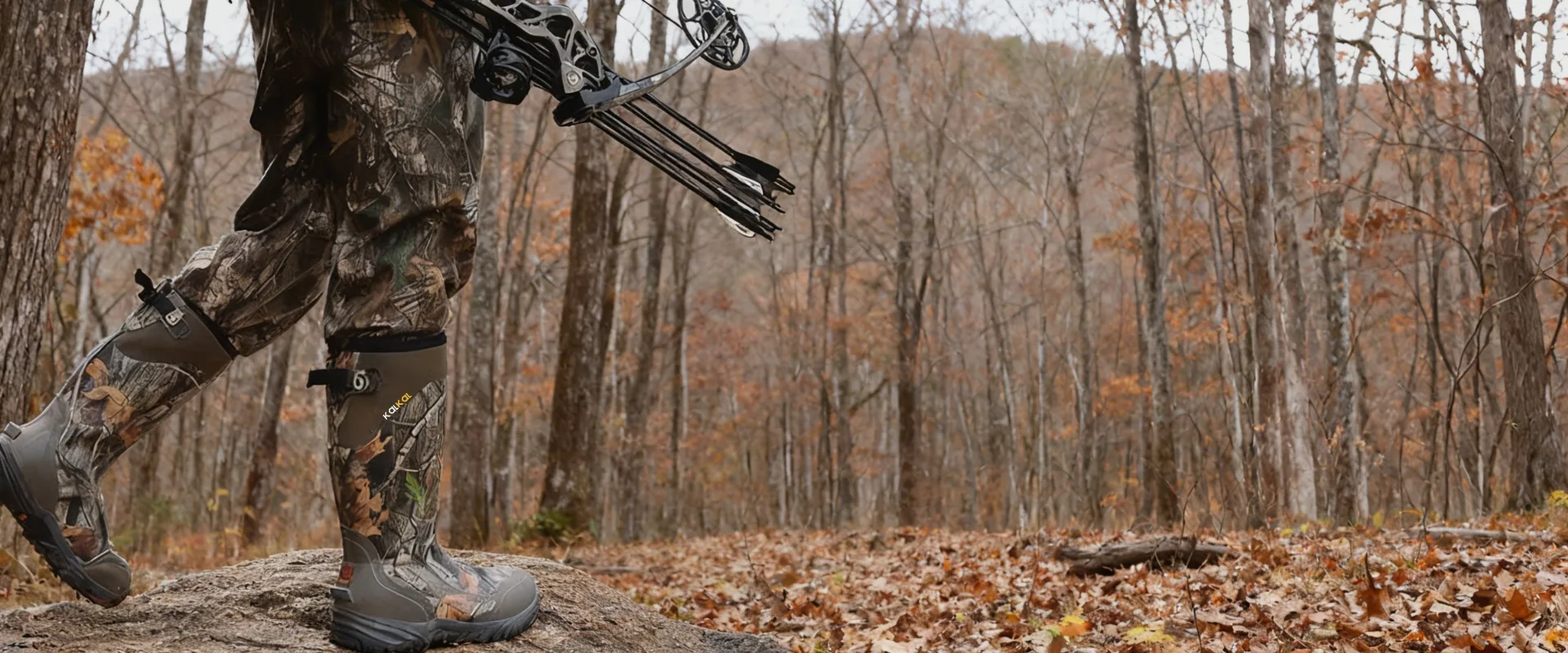
1. Age-Specific Calibers and Gauge Restrictions
Some states restrict what firearms young hunters can use based on age or size. These aren’t arbitrary rules. They’re trying to prevent recoil injuries and make sure kids can actually handle their weapons safely.
Iowa limits youth hunters under 12 to certain shotgun gauges for specific game. Pennsylvania allows straight-wall cartridges for junior hunters during special seasons. Other states? No caliber restrictions at all. They leave it up to parents.
And the laws change. What was legal last season might not be this year. Always check current regulations before buying a firearm for a youth hunter.
2. Minimum Draw Weights for Youth
If you’re getting into bowhunting, pay attention to minimum draw weight requirements.
More than half of the states set these to make sure arrows carry enough energy for clean, humane kills. Most require at least 30 – 40 pounds of draw weight for big game.
Young archers sometimes can’t pull heavier bows. You’ve gotta balance what’s legal with what your kid can physically draw and hold steady. A bow that’s too heavy creates bad shooting form and increases injury risk.
Youth-specific compound bows adjust from really low draw weights up to legal minimums as the kid grows. This means you can buy one bow that lasts several years instead of replacing equipment every season.
3. Firearm Discipline and Storage
Safe firearm handling starts before you ever get to the woods. Youth hunters need to learn the four rules:
- Treat every gun as loaded
- Never point at anything you don’t want to shoot
- Finger off the trigger until you’re ready
- Know your target and what’s beyond it
Storage laws vary, but generally require securing firearms away from unsupervised minors. Laws may differ by where you live, but the goal is the same. Keep firearms away from anyone who should not have them.
Some states mandate specific storage methods by law, while others leave it to parental judgment. Most hunters rely on simple, proven options like gun safes, trigger locks, or cable locks. These prevent unauthorized access.
Locked when it should be. Accessible when it needs to be. Either way, you need a setup that keeps your firearms secure but still accessible when you actually need them.
How to Find a Mentored Hunt?
Do Mentors Need Licenses?
Yeah, mentors need valid hunting licenses in basically every state. They’re taking legal responsibility for the apprentice’s actions, so they need to be licensed, legal hunters themselves.
Some states add extra requirements like minimum age (often 21) or years of hunting experience.
A few states run formal mentor certification programs. Short courses that teach adults how to supervise young hunters effectively. Completion gets you a mentor credential that makes you eligible to guide apprentice hunters.
Finding Mentor Hunts Near You
State wildlife agencies run most mentored hunt programs. Check your state’s official hunting website under youth programs or mentored hunting. A lot of them offer free or cheap opportunities specifically for first-timers.
Conservation groups like the National Wild Turkey Federation and Whitetails Unlimited sponsor local mentored hunts, and Ducks Unlimited runs waterfowl events. These organizations provide equipment, instruction, and access to private land.
Local shooting ranges and sportsman clubs often coordinate youth hunts, too. They connect experienced hunters willing to mentor with families new to the sport.
Word of mouth works. Talk to hunters you know and ask what’s available.
What to Watch For
Good mentored hunts keep student-to-mentor ratios low. One mentor per youth hunter is ideal. Two youth per mentor can work for older, more experienced kids. Anything beyond that spreads supervision too thin.
Ask about equipment or things you need to bring before showing up. Some programs provide firearms and gear, while others expect you to bring everything.
Check the program’s safety record and instructor qualifications. Legit organizations vet their mentors and carry liability insurance.
If an outfit can’t answer basic safety questions or seems disorganized, look elsewhere.
Hunter Orange Requirements and Safety Gear
Does Everyone Need to Wear Orange?
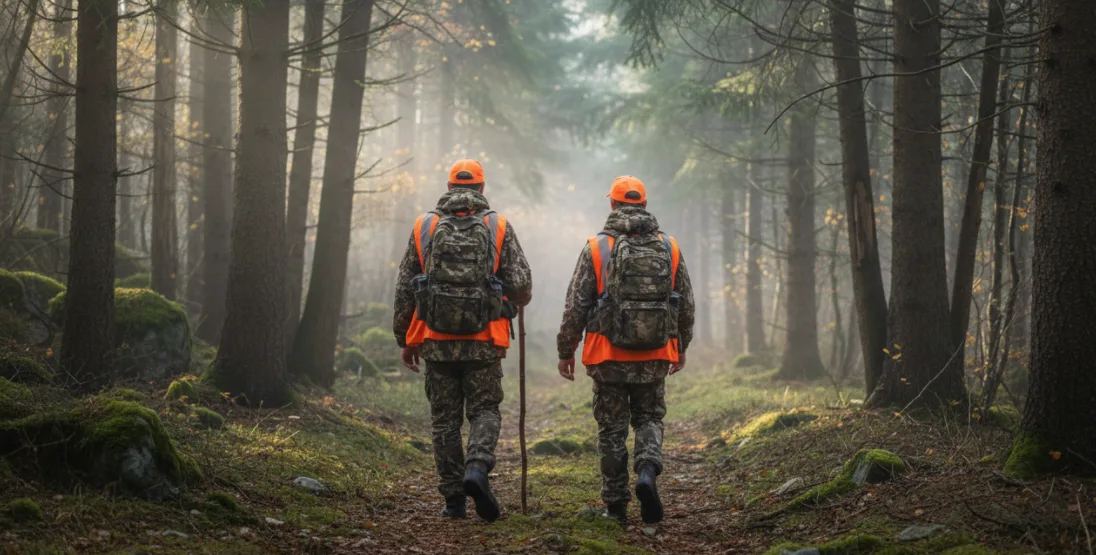
Most states require hunter orange during firearm seasons.
However, the amount varies. Some want a full orange vest and hat, while others require a certain square footage of visible orange material.
Youth hunters typically have to meet the same orange requirements as adults. If the state requires 400 square inches of orange, that applies to a 12-year-old the same as a 40-year-old.
A few states exempt very young hunters under direct supervision, but it’s rare.
Mentors almost always need to wear hunter orange, too. Both people need to be visible to other hunters in the area because it protects everyone.
Some states exempt bowhunters from orange requirements during archery-only seasons. Others mandate it even for archers. Turkey hunters often get exemptions because orange spooks birds. Read more: Should You Wear Orange When Hunting Turkey?
Essential Safety Gear For The Youths
- Hearing protection matters more for young hunters than a lot of parents realize. Developing ears suffer permanent damage more easily than adult ears. Foam earplugs work, but electronic muffs are better. They amplify normal sounds while blocking gunshot noise, so kids can hear instructions and wildlife.
- Eye protection prevents injury from ejected shells, debris, and ricochets. Shooting glasses also improve visibility in different lighting. Such as yellow or amber lenses help on overcast days, and clear lenses work for bright conditions.
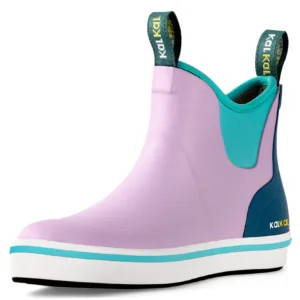
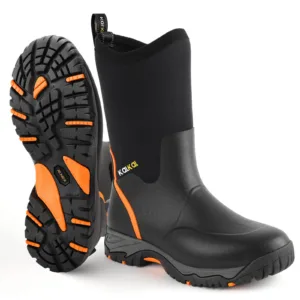
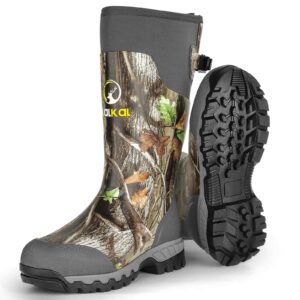
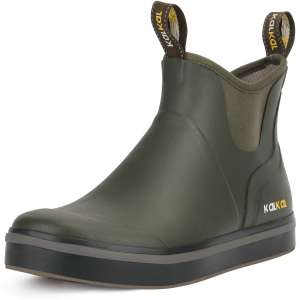
- Weather-appropriate clothing and boots keep young hunters comfortable and focused. Cold, wet kids only want to go home. To make them fully enjoy the hunt, plan early and adjust their clothing to changing temperatures.
- A first aid kit handles minor cuts, scrapes, and blisters. Include blister treatment, bandages, antibiotic ointment, and any medications your child needs. If you’re in tick country, throw in tick removal tools, too.
Conclusion
Youth hunting laws exist to protect kids while giving them access to outdoor traditions. The regulations seem complicated at first, but they make sense once you understand the system.
Start by checking your state’s minimum age requirements and hunter education rules. Look into apprentice licenses if you want to try hunting before committing to certification.
Pay attention to supervision requirements, firearm restrictions, and safety gear mandates. Every state handles things differently, so verify current rules before each hunting season. The effort’s worth it when you watch your child experience their first successful hunt safely and legally.

Leave a Reply