Do you know how important the hunting plan is? A well-thought-out setup and hunting plan are the soul of a safe hunting trip. But before gathering stuff, you need to know how to make a hunting plan and what information should be on it.
For this, you need to know some key factors that should be included in your hunting plan, such as where and with whom you will go hunting, when you return, your location, directions, and alternate moves if any problem occurs.
Quick Hunting Plan Checklist:
- Hunt location (GPS coordinates and short description)
- Route & alternate route (road names & parking spot)
- Vehicle description & license plate
- Names & phone numbers of hunting partners (and who’s lead)
- Expected departure & return times, and check-in schedule (e.g., check in every 6 hrs)
- Mobile phone numbers + carrier (if no signal, state that)
- Required licenses/tags & permits (kept on person)
- Gear & safety checklist (weapon, ammo, first aid, navigation, blaze orange)
- Emergency plan (evacuation route, nearest hospital/search & rescue contacts)
- Attach a map / printable file and leave a copy with 1–2 responsible people.
Why Do You Need a Hunting Plan?
The well-considered hunting plan is as important as your rifle when you are going out in the woods for hunting. It acts as a guideline that contains information necessary for a successful hunting tour, while safety is a top priority in this list.
Heading out without a plan can put you at serious risk. Poor preparation can lead to bad decisions, missed warning signs, or situations that quickly get out of your control, especially in remote areas where help isn’t close by.
Is a Hunting Plan Necessary?
A hunting plan is necessary for many reasons. It also allows you to set specific goals for your hunt, such as targeting a particular game, hunting in a new area, or simply enjoying the relaxed time out there in the field.
Also, a practical hunting plan enables you to think ahead. By identifying potential issues, such as changing weather, rough terrain, or limited cell service, you can prepare solutions before they become real issues.
Most importantly, having a plan improves safety. When you know your route, schedule, and backup options, you’re far better equipped to handle emergencies calmly and efficiently.
Do You Need to Stick to the Hunting Plan?
Should you follow your plan no matter what? Not exactly. The situation can happen unexpectedly because nature is unpredictable. Strategy is important, but knowing when and how to adjust it is just as important.
Think of your hunting plan as a framework, not a set of strict rules. With flexibility and an open mind, you can adapt to any situation. As exciting as the hunt is, it’s all about adventure and making memories along the way.
There are several other characteristics to focus on while planning for hunting.
- Safe Experience: A well-crafted hunting plan reduces the risks of any unexpected situation and increases safety precautions. It helps you avoid injuries and other hazards that could appear in the woods.
- Maximize Efficiency: The right plan allows you to organize the sources that you need at the time of your trip, increasing your chances of a successful hunt.
- Stay Organized: Keeping in tune with each pinch of information together with area, searching policies, and tool wishes prevents you from any confusion and improves your overall mechanism.
- Improve Success Rate: A thoughtfully developed plan complements your looking skills and boosts your odds of reaching your favored outcomes.
- Communicate Effectively: Leaving a detailed hunting plan with friends or your own family guarantees that others recognize your intended routes and timelines, keeping in mind higher coordination and help.
- Respect Wildlife Habitat: Following a plan promotes environmental responsibility and minimizes damage to ecosystems.
What Information Should Be On A Hunting Plan?
A good hunting plan is short, specific, and easy to follow. Include these key items:
1. Your Route and Destination
Before you travel, clearly state where you plan to hunt. Include GPS coordinates, access points, parking locations, and water assets that would favor you in case.
Having records about your destination ensures you navigate your recreation correctly and maximize your possibilities.
2. Hunting Partners
From a person’s hunt to hunting with a group, it’s far more critical to have coordination and contact with your hunting partners.
List the names and contact information of everyone in your group, and try to communicate and inform each other about the move within the hunt.
It is a good approach while thinking about how to make a hunting plan to achieve the best results in more secure travels. However, it also provides flavor to the overall travel enjoyment.
3. Time Schedule
Setting clear timelines for your hunting trip, such as dates, departure, and return times. Consider elements that include daylight, weather conditions, and travel time to make sure you allocate enough time on your tour.
4. Hunting Objectives and Goals
Define your targets and purpose before venturing on your trip. Whether you’re focused on a particular game species or scouting a new area, clear goals help guide decisions in the field and keep expectations realistic.
Be practical in your expectations and have a good time, learn from the hunt, regardless of success or failure.
5. Hunting and Safety Gear Checklist
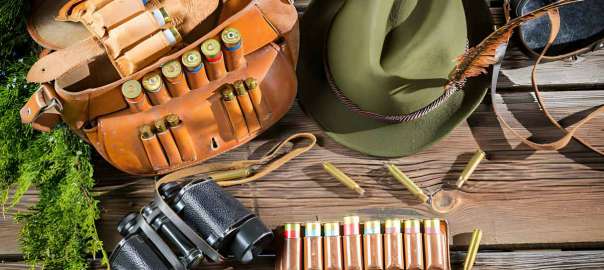
Prepare a whole checklist of essential gear needed for your hunt. This consists of firearms, ammunition, binoculars, navigation gear, first aid supplies, food and water, and emergency equipment.
Double-check your gear thoroughly before departure to make sure the entirety is in order and efficiently packed.
6. Necessary Documentation
Remember to hold any of the required licenses, tags, and permits for hunting in your chosen place. Keep your paperwork organized and easy to access in case you are checked in the field.
7. Emergency Plan
No hunting plan is complete without a proper strategy for emergencies. Outline what to do if something goes wrong. Include emergency contacts, evacuation routes, nearby medical facilities, and clear instructions on when to call for help.
Having a plan in place minimizes panic and ensures a rapid and effective response to unexpected situations.
8. Details for Safety
In case of any emergency, providing the correct facts to authorities can help you significantly.
Keep notes of relevant details that include your exact location, situations, and any specific dangers or barriers within the region. This data lets rescuers find and assist you more correctly and save lives.
📄Downloadable Resource: Hunting Plan Printable Template.
How To Stay Focused While Hunting?
Once you have made a comprehensive hunting plan, it is time to prepare for the hunting season. Here are some tips to help you stay focused at some point in your hunt:
- Preparation: Ensure that you are physically and mentally prepared by getting adequate rest and exercise before cross-country hunting.
- Make yourself comfortable: Dress appropriately and find a relaxing view of your kill. Being cushy allows you to be more focused.
- Eat Well: Bring healthy food to stay energized.
- Take it step by step: Break your hunt into smaller responsibilities so that it seems more obvious and less stressful.
- Treat yourself: Give yourself a small reward or break to keep your spirits up and motivated.
- Think positively: Think positively to dispel negative thoughts and live a hopeful life.
- Accept challenges: Accept challenges from time to time. However, it is considered a threat.
- Learn from mistakes: If things don’t go as expected, don’t worry; just keep those mistakes in mind and avoid them in the next step.
- Stay in the moment: Don’t be afraid of what’s already coming or what might show up next—know what’s happening now.
Conclusion
A good hunting plan is almost essential for a safe and enjoyable hunt. Why? Since it makes it easier for you to plan a hunt, when preparing for your next hunting trip, make sure you are prepared.
Now you should know what information should be on a hunting plan. Follow those tips to stay focused and maximize your time outdoors. Happy hunting!
Post Last updated: 2026-01-13.
Leave a Reply