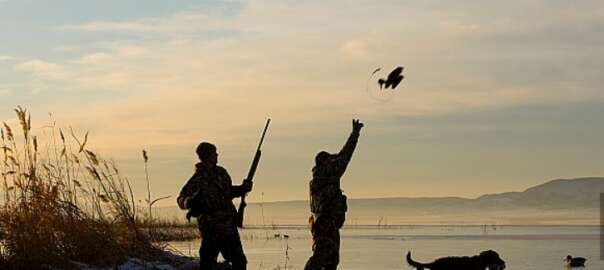
This is a summary post for the hunting seasons for all 50 states in the US, organized by 10 federal regions for quick navigation. Click a state to open its detailed season, species limits, and licensing rules.
The guide will be updated frequently as long as there are any changes in the dates and regulations. Follow our guide to know when to prepare for your hunting trip each year.
Hunting Seasons By State In The US
Hunting seasons vary by state from year to year. Now, let’s click to check each region and find the detailed hunting season dates and rules for where you are going to hunt.
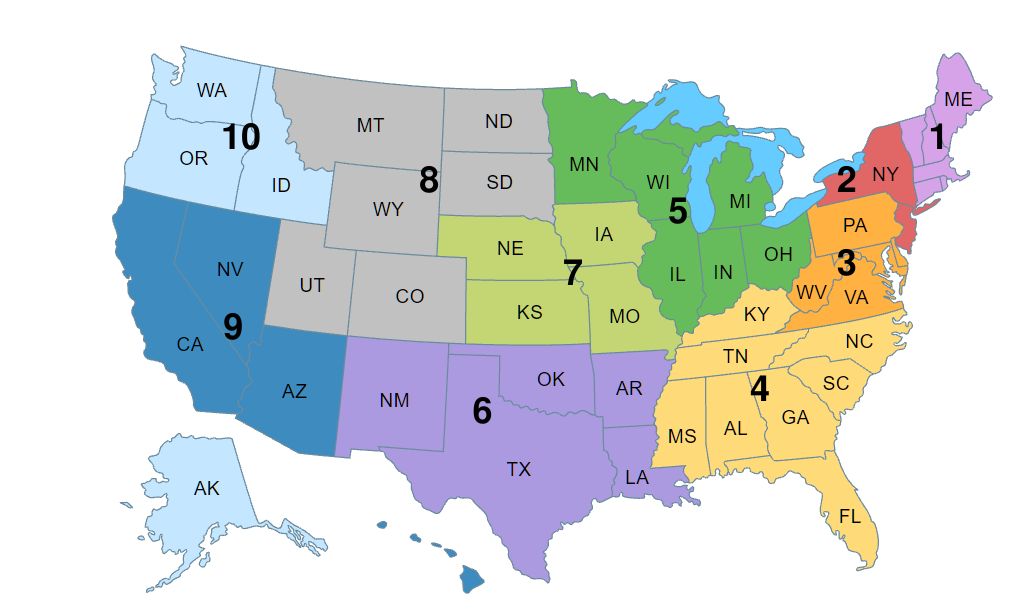
STANDARD FEDERAL REGION [2]
This New England cluster is heavy on small woods, public lands, and seasonal migrations, expect long winters and clear spring turkey windows. Seasons tend to be conservative to protect local populations and breeding cycles.
The Mid-Atlantic here centers on New York and New Jersey, where hunting pressure is high, and regulations can vary county by county. Both states offer a wide mix of big game and small game seasons that draw lots of search interest.
Top states to hunt: Maine, Vermont, Massachusetts, New York, New Jersey.
STANDARD FEDERAL REGION [3]
This Mid-Atlantic grouping mixes dense forests and public game lands with popular deer and turkey seasons. Regulations and units vary a lot, so pay attention to the local season dates and bag limits.
The Southeast has long seasons and high hunter participation. The coastal marshes, pine forests, and big private lands affect their hunting patterns.
Florida and Georgia get special attention for waterfowl and turkey; southern states often have extended small-game options.
Top states to hunt: Pennsylvania, Virginia, Maryland, Georgia, Florida, North Carolina
STANDARD FEDERAL REGION [6]
The Upper Midwest has a heavy big-game population(deer, elk in places), plus vast public lands and walk-in access areas. Seasons often include archery and multi-method splits that hunters follow closely.
This South-Central region mixes desert edges, plains, and Gulf marshes. Texas dominates the top option and has the most hunting license holders thanks to its enormous size and diverse seasons. Private-land leases and long seasons are common here.
Top states to hunt: Minnesota, Wisconsin, Michigan, Texas, Oklahoma, Louisiana
STANDARD FEDERAL REGION [7]
The Heartland states are all about farming and large public hunting areas, with clear schedules for deer and upland game. Local boundaries and farming cycles affect when and how you can hunt.
The Mountain and Northern Plains states offer big game hunting, like elk and mule deer, often requiring travel and scouting. Hunting seasons can change a lot based on elevation and specific areas.
Top states to hunt: Missouri, Kansas, Iowa, Montana, Wyoming, Colorado
STANDARD FEDERAL REGION [9]
STANDARD FEDERAL REGION [10]
The West Coast and Desert Southwest combine coastal game and big-game hunts; California and Arizona each have unique, highly searched season rules. Hawaii is island-specific with very limited, specialized seasons.
The Pacific Northwest and Alaska offer everything from dense temperate forests to true wilderness big-game hunts in Alaska. Hunting calendars here often include special subsistence and resident provisions.
Top states to hunt: California, Arizona, Nevada, Oregon, Idaho, Alaska
What Is The Hunting Season Right Now?
If you ask: ” When does hunting season start and end?”, then there is no specific answer. Actually, you can hunt all year round because there are always specific animals you can hunt.
The hunting season can differ greatly based on the region and the type of game. Here is an overall breakdown of what you can hunt in different months.
- January – February: Deer, Duck, squirrels, rabbits, wild hogs, coyotes, beavers and bobcats
- March – May: Turkey, black bear and small game
- June – August: Pronghorn antelope, hogs and small game
- September – October – November: Waterfowl, deer, moose, elk, bear, wild birds and small game
- December: Deer, wild pig, waterfowl and small game
The best time for hunting small game like squirrels and rabbits is from January to February. In many states, wild hogs and coyotes can be hunted throughout the entire year.
The trapping seasons for animals such as beavers, bobcats, and otters typically run until March.
During the Spring months, specifically from March to May, it is the time for hunting turkeys. Because of the mating seasons, turkeys are especially active in these months.
During this time, some states also offer a hunting season for black bears in the Spring.
Typically, June, July, and August are peaceful times for hunting. Hunting seasons are restricted, as this is the time when animals are birthing and caring for their offspring.
Nevertheless, in August, a few states still provide early seasons for specific games like pronghorn antelope.
As the weather becomes cooler in September and October, hunting seasons for deer, moose, and elk typically begin now, followed by gun seasons in November. This is also the Fall hunting season for game birds, including wild turkeys.
In many regions, late deer hunting seasons are available in December with the purpose of managing the deer population. You will also find hunting seasons for different game birds like pheasant and quail.
Please be aware that hunting seasons may differ by state, so it’s important to always check local regulations before going hunting.
Why Hunting Seasons Are Regulated?
Wildlife Development and Management Departments set limits on specific dates for hunting to keep the animal populations healthy and stable, and make sure hunting is done the right way.
Without the restrictions on seasons and limits, wildlife populations could be overhunted and even disappear in some areas.
Hunting regulations promote ethical and responsible hunting. The rules and limits set for hunting seasons make sure that hunters do not hunt unfairly or take too many animals. This also helps the public feel better about hunting as a way to manage wildlife.
These rules also help maintain the overall balance of the ecosystem. Controlling the hunting of certain animals prevents overpopulation, which can damage the natural environment.
Overall, regulated hunting seasons are important for managing, protecting, and maintaining healthy wild animal populations, and allow hunters to enjoy this old traditional activity for years to come.
Common Hunting Terms Explanations
There are many hunting terminologies involved in hunting activities. Here, we will provide clear and brief explanations for some common hunting terms.
Whether you are an experienced hunter or a new hunter looking to understand the terminology, the following guide may help you.
- Hunting Season: A Specific time of the year when it is legally permitted to hunt certain game animals.
- Bag Limits: The Maximum number of a specific game animal that a hunter is allowed to take or “bag” during a given period, such as a day.
- Possession Limits: The maximum number of a specific game animal that a hunter is allowed to have in their possession in the whole given season.
- Harvest: Refers to the act of successfully hunting and taking possession of a game animal.
- Buck: A mature male deer.
- Button Buck: A young male deer that only has small button-like antlers.
- Doe: A female deer.
- Fawn: A young deer of either sex that is less than a year old.
- Spike: A young deer with unbranched antlers.
- Antler: The horns of a deer.
- Antlerless: game animals that do not have antlers, such as female deer (does) or young deer (fawns).
- Gobbler: A male turkey with a fully developed beard and spurs.
- Hen: A female turkey.
- Jake: A young turkey, typically a chick or juvenile.
- Roosting: The act of turkeys settling into trees or other elevated structures to sleep at night.
- Rut: the breeding season of certain game animals, particularly deer and elk.
- Tree Stand: A platform placed in a tree to give hunters an elevated position.
- Trophy: A deer with large or unique antlers, often kept as a memento.
- Winded: When game animals catch the scent of the hunter and run off.
- Glassing: Using binoculars to scan the landscape for the game.
- Archery: Hunting with a bow and arrow.
- Muzzleloader: A type of firearm that is loaded from the muzzle of the gun, rather than the rear of the barrel.
- Trail Cam: A camera used to monitor wildlife activity, often set up along trails or near feeding areas.
- Banded: A banded bird has a metal or colored band for identification, marked by biologists for tracking and research.
- Decoy Spread: The arrangement of decoys to attract game birds.
- Tree Stand: A platform placed in a tree to give hunters an elevated position.
- Binos: A slang term for binoculars.
- Blind: A concealed tent used by hunters for observing and shooting animals.
More FAQs About US Hunting Seasons
Check the official state wildlife or natural resources agency website and the current year’s regulations PDF — those are the legal source for dates, zones, and limits.
It’s the defined date range when hunting a particular species is allowed in a given state, unit, or weapon type.
They’re separate season segments that allow different weapon types and often different bag limits; they can overlap or be staggered. Notice that the Archery season is restricted to archery-only equipment; it is not allowed to use firearms and muzzleloaders.
Yes. Big game (deer, elk, bear) almost always requires a license plus a tag or permit; some hunts are controlled by a limited draw.
State regulations list controlled hunts and draw applications. If available tags are limited, the hunt will be marked as “draw” or “limited entry.”
Yes. Many states offer youth-only, apprentice, or mobility-impaired seasons or permits. Everyone can enjoy this outdoor activity by following the rules.
Public-land access varies: national forests, state wildlife management areas, and federal refuges each have their own rules and sometimes seasonal closures. Verify maps and access rules for the area you plan to hunt.
Residents pay lower fees and may have different tag quotas; nonresidents often need separate licenses and sometimes have quota limits on certain hunts.
The hunting seasons are changed each year. We are updating the post regularly, so make sure to follow us and check the latest updates on the dates and rules!
Leave a Reply