
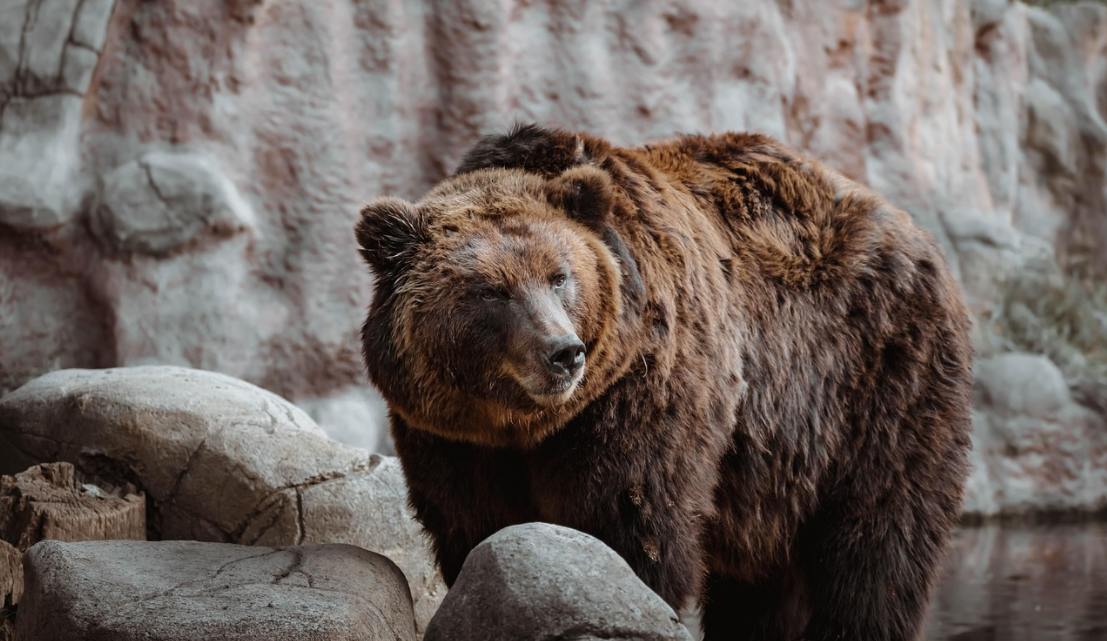
Michigan offers millions of acres of public land and a thrilling opportunity for big game hunting. If you have any questions on hunting Michigan bears, the hunting seasons, or the equipment that one might require, you can find your answer in this post.
Besides being overwhelmed, most people do not know where to start with DIY planning or what exactly they need to look for in a guide. This guide helps you plan for a successful visit to hunt bears in the state of Michigan.
We will also look at what to wear, the type of rifles, and safety measures to consider, and help you decide whether you want to hunt by yourself or hire a professional with you.
Understanding Bear Biology In Michigan
Michigan Bear Basic
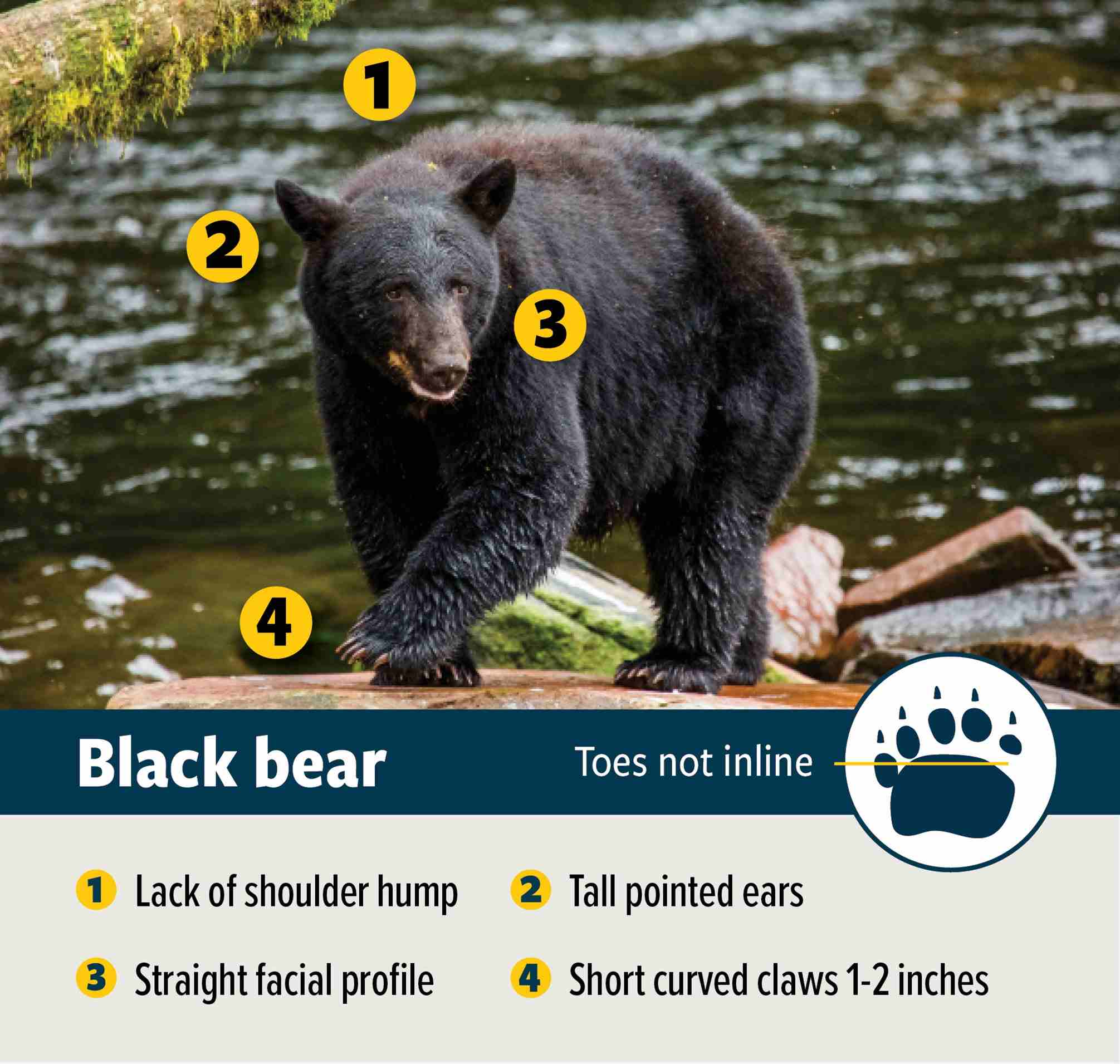
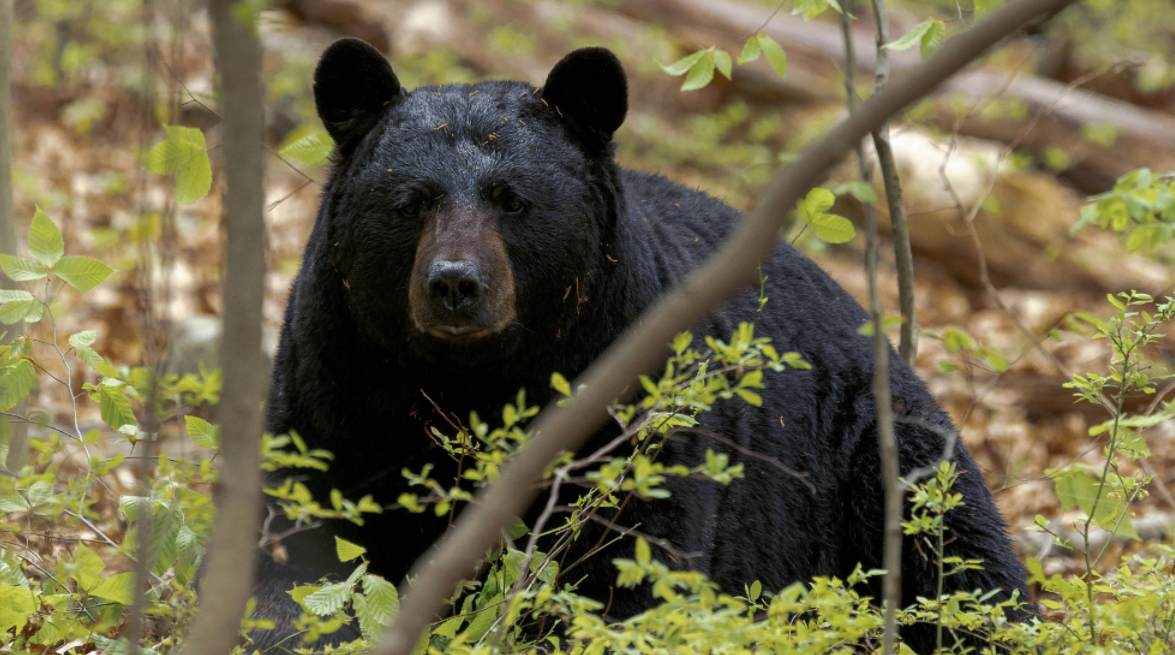
The only type of bear you can hunt in Michigan is the black bear, with a population of around 13,000.
Black bear is a giant bear with a muscular body, shiny black (cinnamon) skin, and a large size. A typical Michigan black bear weighs between 150 and 250 pounds.
Most of these giant bears are found in the Upper Peninsula or the northern Lower Peninsula, where they have access to adequate agricultural food sources.
In the Upper Peninsula, bears love dense cedar swamps and conifer thickets. In the Lower Peninsula, they are often found near hardwood edges and river bottoms where acorns and berries are plentiful.
Black bears are omnivores, meaning that they feed on both plants and animals. The diet can be seasonal and depends on what is available; however, they eat many types of berries, nuts, insects, fish, and sometimes small mammals.
Important Notices of Bear Hunting
In Michigan, it is illegal to hunt a female bear with cubs.
Cubs do not always stay close to their mother. If a bear approaches your baiting site, wait at least 15-20 minutes to ensure no cubs show up at nearby brush.
To quickly identify amake bear and a female bear, mainly look at their heads. Male bears typically have a “square” head and a thick neck. Female bears usually have a more pointed, triangular face and slimmer forelimbs.
Bears don’t usually stay in the middle of an open field. When scouting the public land, you can try to find them in the following places:
- Thermal Cover: Thick pine or cedar swamps where they bed.
- Food Transitions: Where the thick swamp meets a ridge of oak trees (acorns) or berry patches.
- The Daily Route: Bears will follow creek beds and low-lying “corridors” to move between bedding and feeding areas.
Don’t Surprise Them. When walking to your blind, make a moderate amount of noise. A surprised bear is a defensive bear.
If you encounter a bear at close range, do not run. Running triggers their predatory chase instinct. Stand tall, wave your arms, and speak in a firm, loud voice.
Most black bear charges are “bluff charges” where they stop a few feet away. If a black bear actually attacks, fight back with everything you have.
When tracking a wounded bear, always go with a partner and wait at least 2–4 hours after the shot. A wounded bear in thick cover is extremely dangerous.
When Is Michigan Bear Hunting Season and Drawing?
Michigan Bear Season Opening Day
Each year, the Michigan bear hunting seasons start from September to October. The opening day of bear season in 2025 is on September 10.
For complete details, including specific periods for different management units, it is advisable to check the Michigan Bear Hunting Calendar Summary or visit the official state website.
Michigan Drawing and Results
Notice that the bear license(tag) is limited. So, hunters will need to apply for it through a drawing. The application process usually starts from May 1st to June 1st. Don’t forget to join and check your points.
To apply for a bear license, one of the most important parts is to understand the Preference Point System. Unlike a random lottery, in Michigan, the more points you have, the closer you are to winning the license. The DNR will give licenses to the applicants with the highest number of points.
The system is straightforward:
After applying, if you are not selected for a license, you automatically receive one Preference Point. You can also directly purchase a “Point-Only” application if you don’t plan to hunt in the year. Thus, you can continue to build your points in the system.
Each Bear Management Unit (BMU) has a separate quota of bear licenses. For example, if a specific unit has 100 bear tags available and 100 people apply with 5 points, they all get tags. If you applied with 4 points, you’ll have to wait until next year.
To successfully get a bear tag, don’t apply for those popular zones, like the Lower Peninsula zones (like Red Oak). Because it can take forever to draw a tag. In the Upper Peninsula (UP), you might draw a tag in a quicker time.
Another important notice is that if you don’t purchase a point for three consecutive years, you will lose all your accumulated points. Don’t let your hard-earned effort reset to zero!
Average Points Needed For a Bear License
Based on the recent Michigan DNR draw trends, here is an estimated table of the average points you might need for each unit:
| Bear Management Unit (BMU) | Region | Avg. Points Needed (Period 1) | Wait Time Expectation |
|---|---|---|---|
| Bergland | Upper Peninsula | 5 – 6 | Moderate – Common for UP travelers. |
| Baraga | Upper Peninsula | 3 – 5 | Faster – Great for high success rates. |
| Newberry | Upper Peninsula | 3 – 4 | Fastest – Good for first-time applicants. |
| Red Oak | Lower Peninsula | 9 – 11 | Very Slow – Extremely high demand. |
| Baldwin | Lower Peninsula | 8 – 10 | Slow – Limited tags available. |
Essential Gear For Bear Hunting
Hunting bears requires specialized equipment to ensure your safety and success. Here’s a list of essentials.
Clothing and Footwear
- Camouflage Clothes: Choosing clothes with a good camouflage pattern helps you to blend with the surrounding environment. Remember to use scent-killing sprays or wear charcoal-lined clothing, which can help reduce your scent.
- Waterproof Jacket and Pants: Even if the bear hunt is planned for warm days, rain may happen in the far woods.
- Warm Layers: The night is quite cold, even if the daytime is hot or warm, therefore pack warm clothing.
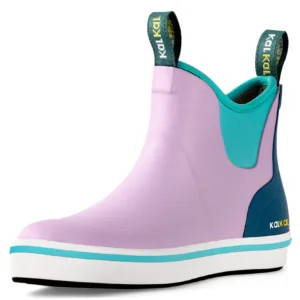
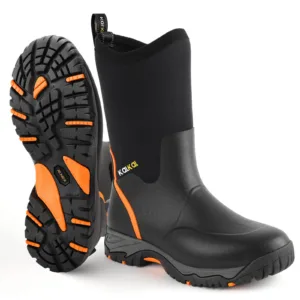
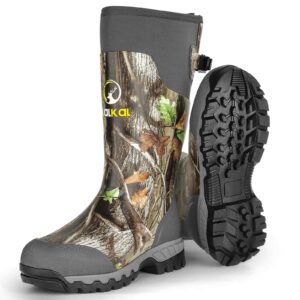
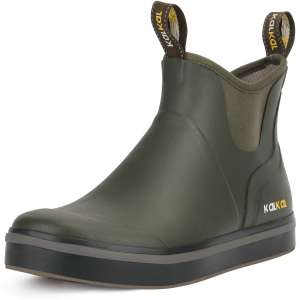
- Sturdy Boots: Supportive and comfortable hunting boots are recommended for hiking, especially on uneven and difficult surfaces.
Weapons and Ammunition
- Rifle: Most bears are shot within 30 to 75 yards. You need a suitable firearm with enough stopping power and appropriate calibers. Popular choices include. 300 Winchester Magnum, . 375 H&H Magnum, and. 45-70 Government.
- Ammunition: It is crucial to have high-quality ammunition, specifically the type used for big game. Look for bullets that have good penetration and expansion features.
Safety Equipment
- Bear Spray: Bear spray is a powerful deterrent that can help protect you in the event of an encounter.
- First Aid Kit: A comprehensive first aid kit is essential for treating any injuries you or your hunting partner may sustain.
- Emergency Whistle: A whistle can be used to signal for help in case of an emergency.
- GPS Device: A GPS device can help you navigate unfamiliar terrain and find your way back to camp. Or you can download some hunting apps that can help you with the maps and directions.
Other Essentials
- Scopes: Look for a 1-4x or 2-7x magnification with a large objective lens; this helps you to see clearly and distinguish the bear’s vitals from the dark forest.
- Insect repellent: In September, the black flies and ticks in Michigan can be more dangerous. Bring items such as a Thermacell as an important piece of gear in your pack for a bait hunt. It creates a protection zone for you in the wild.
- Hunting Knife: A hunting knife is a versatile tool for various tasks, such as skinning and quartering.
- Backpack: A sturdy backpack is essential for carrying your gear and supplies. Check out the Kalkal backpack with quick rifle system.
- Food and Water: Pack enough food and water to sustain you throughout your hunt.
Tips For a Successful Bear Hunt
Here are some tips and safety precautions to consider when hunting bears:
Preparation and Planning
- Know the Regulations: Know all hunting laws of the area you intend to hunt in – bag limits, hunting zones, and safety provisions, etc.
- Research the Area: Learn the different routes and possible areas to find bears that you will hunt in.
- Pack Essential Gear: Make sure you have all the right hunting gear, which includes a rifle, bullets, a first aid kit, bear repellent spray, and correct attire.
- Inform Someone of Your Plans: Tell a close friend or a family member where you are going and how long it will take you to get there.
Hunting Techniques
- Scout for Signs: Search for signs that a bear was in the area, this includes tracks, feces, and clawing marks.
- Hunt During Peak Activity: Bears are known to walk during the day, especially in the early morning and the last part of the day.
- Baiting Bear: Baiting is the most popular method in Michigan. You can build a “bait station” to attract bears to a specific area. However, there is a limitation of no more than 2 gallons of bait. See these best attractants for bear hunting.
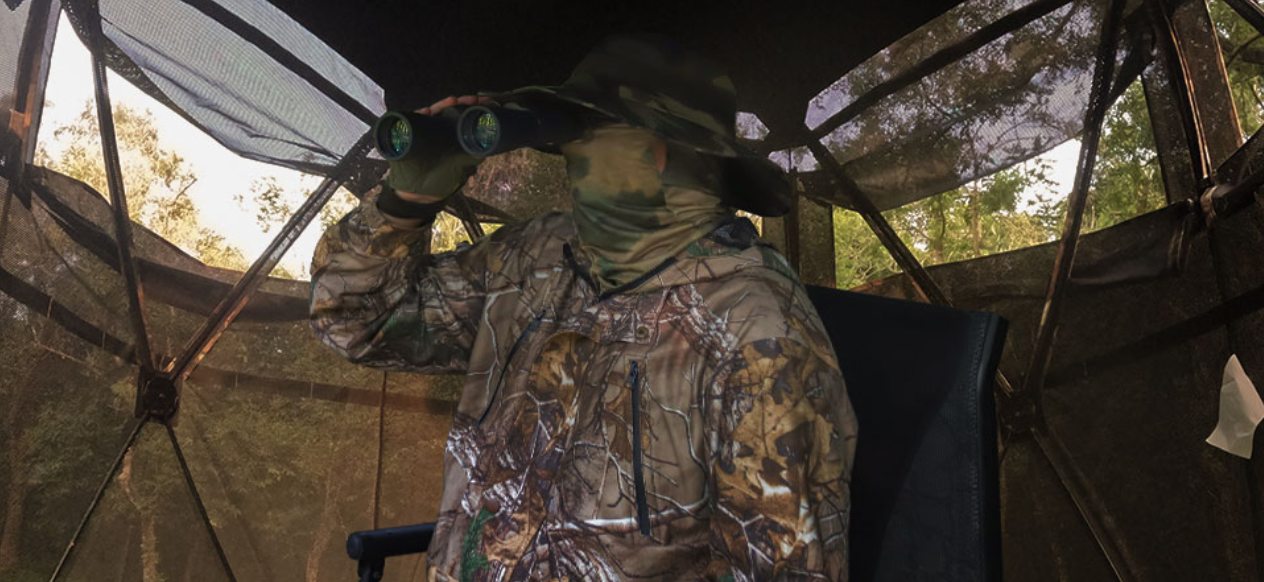
- Choose a Suitable Tree Stand or Blind: When hunting with a tree stand or blind, ensure that the structure is secure and that visibility is not obstructed.
- Be Patient: Bear hunting might turn into a waiting game, so be tolerant and keep your eyes open.
Safety Precautions
- Maintain a Safe Distance: Don’t ever chase a bear or corner it, particularly if it is hiding its young.
- Make Yourself Visible: Bring or wear bright-colored clothing to make yourself easily spotted from the main road.
- Carry Bear Spray: Bear spray is effective and necessary for prevention and use in the event of an attack.
- Be Aware of Your Surroundings: Minimize threats by staying alert and ready to act if a bear emerges suddenly.
- Never Hunt Alone: It is preferably safer and more secure to hunt in tandem with a helper or companion.
Ethical Hunting Practices
- Respect the Animal: Find responsibly so that you are not harming the bear and their territory in any way.
- Make a Clean Kill: Carry the right caliber with matching bullets to be able to shoot and kill the animal instantly. The ideal shot is when a bear shows you its broadside. Aim for the front third of the body, just behind the shoulder, where a bear’s heart and lungs are located.
- Utilize the Meat: If you hunt a bear, you should utilize all of its meat to minimize waste. See more things you should know before eating the bear meat.
Top Bear Hunting Outfitter In Michigan
There are always multiple questions revolving in our mind before hiring a guide, like what to look for in an outfitter? What do you need to know before booking? So, you should consider the following things before booking a bear hunting guide:
- Experience and Reputation: Look for outfitters with a proven track record and positive reviews.
- Hunting Location: Research the hunting area to ensure it aligns with your preferences and hunting goals.
- Hunting Method: Determine if you prefer bait hunting, hound hunting, or a combination of both.
- Accommodations: Consider the type of accommodations offered, such as lodges, cabins, or campsites.
- Price: Compare prices and packages to find the best value for your budget.
DIY Bear Hunting vs. Guided Hunts
Choosing between DIY bear hunting and a guided hunt depends on your personal preferences, experience level, and budget. Here’s a breakdown of the pros and cons of each:
DIY Bear Hunting
⭐Pros
- Independence: It depends on you, how and when you want to hunt, whether it is slowly and steadily or very rapidly.
- Lower Cost: Wild self-hunting can be cheaper than hired hunting activities since one would not need to buy the hunting devices and or employ the hunting experts.
- Personal Satisfaction: Hunters appreciate the opportunity and achievement of a DIY hunt, and that is why it is popular among hunters.
🚨Cons
- Time and Effort: Do-it-yourself hunting involves a lot of time, energy, and investment of several resources, such as time and energy in researching, planning, and searching for the animal among others.
- Lack of Expertise: Inexperienced bear hunters have no idea of the factors that would enable them to get the most desirable outcome on their hunting expedition.
- Safety Concerns: Hunting alone can therefore have other risks, for example, in a new area that the hunter has not explored before.
Guided Hunts
⭐Pros
- Expertise: Guided hunts offer hunters the opportunity to work with experienced outfitters who can provide valuable insights and local knowledge.
- Increased Success: Hunting organized by professional guides is more likely to be successful because the organizers know where the bears are located and how they behave.
- Safety: Guided hunts provide extra precautions, as outfitters are aware of the terrain, and they can help hunters avoid dangerous zones.
- Convenience: They offer shelter, meals, and transportation since such an excursion can encompass a few days.
🚨Cons
- Higher Cost: Most guided hunts are usually charged higher fees than DIY hunts because of the extra services offered.
- Limited Control: You might be limited in the kind of hunt you do since the guide will be the one to decide, depending on his experience.
- Group Dynamics: When hunting with other people, the pace and even the methods used may need to be adapted for those hunters.
Here are the five best recommended outfitter services
| Outfitter | Location | Services | Price |
|---|---|---|---|
| North Country Canoe | St. Helen, MI | Canoe, kayak, and bike rentals; shuttle services for river trips; guided outings. | $30–$60 per day; $75 per person |
| Outdoor Adventures Outfitters | Various locations in MI | Campground rentals, canoe/kayak/bike rentals, and various outdoor equipment. | Starts at $25 |
| The River’s Edge Outfitters | Newaygo, MI | Canoe, kayak, and paddleboard rentals; guided river trips on the Muskegon River. | $30 for half-day; $60–$90 for guided |
| Traverse City Kayak Tours | Traverse City, MI | Guided kayak tours, equipment rentals, and eco-tours of the Grand Traverse Bay. | $60 per person; Rentals from $30/hr |
| The Dog Outfitters | Grayling, MI | Kayaking, canoeing, tubing, and camping trips on the AuSable River. | Rentals ~$40/day; Guided: $55–$100 |
Should You Hire a Hunting Guide?
Therefore, the use of a hunting guide depends on the individual.
If you are a first-time bear hunter without any experience or knowledge of the area you will be hunting, or if you have safety concerns, you may want to hire a guide. However, if one is experienced, has the correct gear, and loves the idea of spot-and-stalk hunting, then it might be more advisable.
In the end, it must meet your purpose, cost estimate, and risk tolerance that you are willing to take. Think about what you like and evaluate the advantages and disadvantages of each option to decide which one is the best.
Conclusion
Black Bear hunting in Michigan is very adventurous. This guide prepares you for success: what gear to carry, the seasons of hunting, hunting it yourself, or employing the services of a guide. Choose the kind of method that fits the area of specialization you will be using and the amount of money you will be using.
It is also important not to forget about using ethical methods and safety during the hunt. A hunter can get a good shot at the bear in Michigan if he prepares himself and understands what to do.
Leave a Reply