
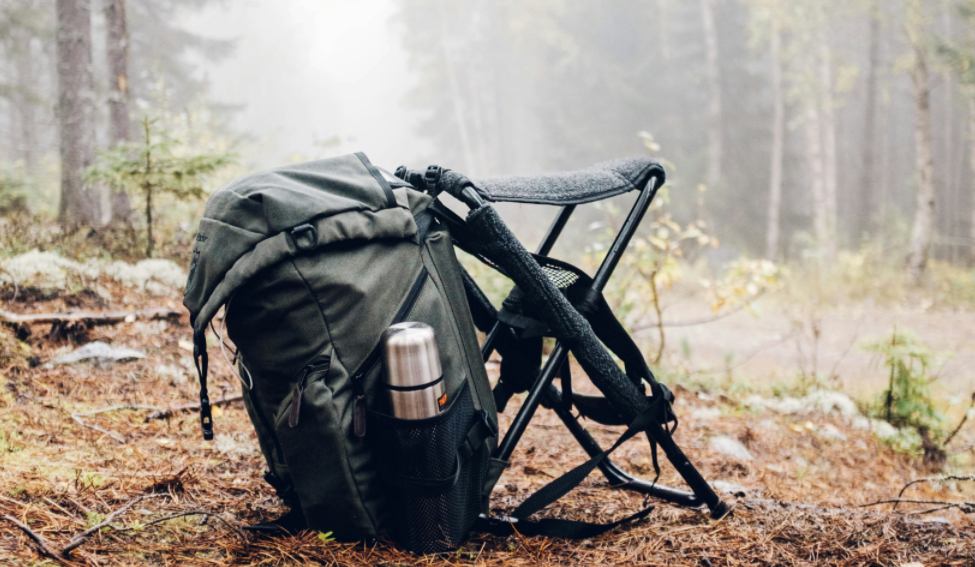
If it starts raining before you leave, would you choose to cancel your trip or continue? Don’t bail at the first drop; turkey hunting in the rain can actually be your biggest advantage if you know how the birds behave.
Rainy hunting demands patience, sharp senses, and the flexibility to change your plan. Rain often quiets a rooster, but it also changes birds into predictable patterns. Smart hunters tighten their setups and treat weather as another tactic, not a reason to quit.
Come with us to explore turkey reaction patterns to rainfall alongside strategy adjustment and equipment needs for successful outcomes under wet conditions.
Will Rain Affect Turkey Behavior?
Becoming wet does impact a turkey’s behavior, yet it does not automatically indicate that your hunting day needs to end. The adaptability of turkeys enables them to perform their regular behavior patterns while rainfall persists.
The pattern of their behavior, movement abilities, and responses to calls changes significantly depending on the type of rain and how intense it is.
Where Do Turkeys Go When It Rains?
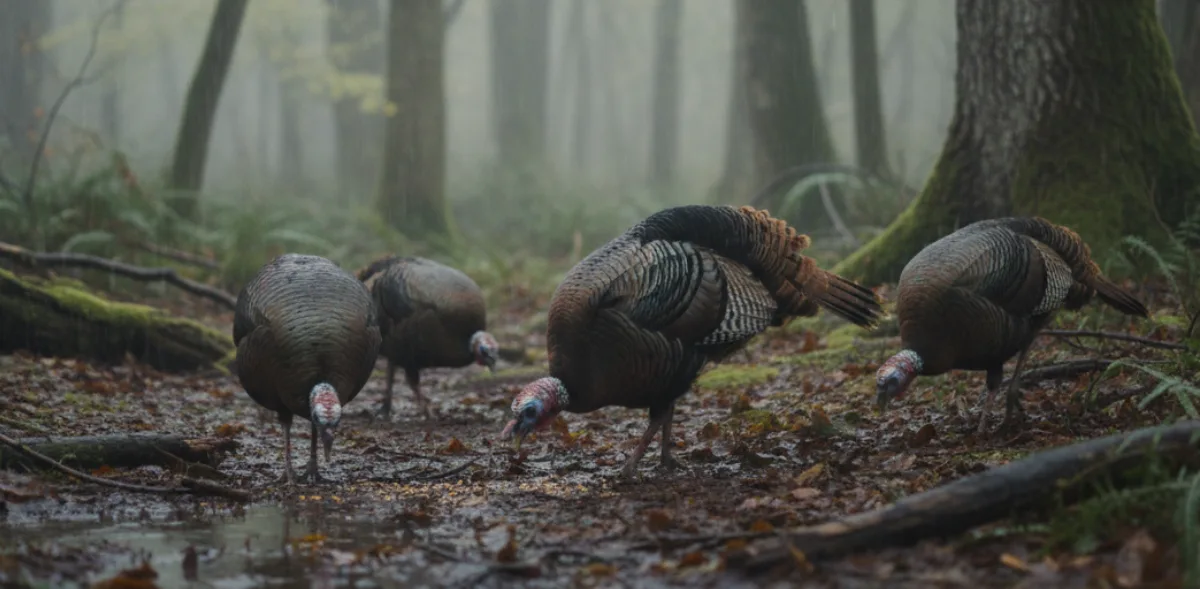
Rains will encourage turkeys to choose different areas for habitation. The birds shift their movements to protected locations that shield them from rain rather than staying in open spaces that provide clear visibility.
Turkeys are driven to woodlots and brushy areas by light rain until heavy rainfall forces them to take refuge in dense thickets or mature forests with heavy tree canopies.
During rainfall, both hens and gobblers minimize their vocalizations. The reduced sound transmission makes it harder to hear mating calls and rival sounds, causing turkeys to become less vocal in these conditions.
Although they may stay on the roost a little longer and seem inactive, turkeys will still hit the woods and do their things.
How Light Rain vs. Heavy Rain Impact Turkey Activity?
- Light Rain: Turkey moves in light rain and continues to feed. Then they might strut in fields or along logging roads. Hunters can move even when they are in the woods without being detected by the muted sounds of the woods.
- Heavy Rain: Things are different in heavy rain. They will hunker down under dense cover to stay dry out of the rain. However, you can still find some turkeys because they tend to stay in open fields, where they can see and hear everything, without the distraction of the rain sound.
Why Should You Hunt Turkey In the Rain?
A lot of hunters stay home because it’s “uncomfortable.” Good. Now it is your chance to make the rain work for you.
Although it seems impossible and a more difficult thing to do than usual, hunting turkey in the rain can be surprisingly effective if done under the right circumstances.
It is natural for pressured birds to behave more naturally, and it should increase your chances of a successful hunt because they’ll be found with fewer people in the woods.
Why Turkey Hunting Is Good in the Rain
Turkey hunting can be good in light rain or shortly after a storm. As the rain stops, so do the birds. They become more active and emerge from their cover to dry off and then feed.
In the rain, the wet leaves are silent, and the sound of the falling rain creates a “white noise” that masks your footsteps. You don’t need to worry about stepping on something that may make a loud sound like a gunshot
This is a good time to get closer to a turkey site. You can get away with a lot more movement and much more aggressive stalking than you ever could on a crisp, quiet morning. If you see a bird across a field, the rain is your best cover to reposition.
One of the most productive times to be in the woods can be this post-rain period. But it will only work if you understand how turkeys behave in damp weather and make the appropriate adjustments to your strategy.
Rainy Hunt Advantages and Challenges
Advantages:
- There will be fewer hunters in the woods and less competition.
- Easier to move quietly, thanks to the damp ground.
- Birds may be more predictable in their movements.
- Ideal conditions for still-hunting and stalking turkeys
- Rain can dampen scent and noise, allowing a closer approach.
Challenges:
- Reduced turkey vocalization makes locating birds harder.
- Calling and hearing gobblers is more difficult in heavy rain.
- Wet gear can lead to discomfort or distraction.
- Slippery terrain increases the risk of injury.
- Tools like box calls or decoys with moving parts may malfunction.
There is also no other way in rainy weather except being patient and strategic. In areas where turkeys are likely to feed or travel, they may choose to sit tight rather than running and gunning. You spend a lot of time becoming very adaptable.
Best Period to Hunt Turkey on Rainy Days
In a rainy period, the best time to hunt turkeys is after the rainy period, out of light drizzle or immediately after the rain stops. Now is the time when turkeys are found active, vocal, and out in the field.
The other way is to time your shot for early mornings after an overnight rainstorm because often turkeys fly down from the roost a little later and begin looking for food.
Further, light, steady rain in the mid-morning can also produce solid action. When open fields dry out, those birds will come out to feed, and hens tend to lead gobblers deeper into sightline.
Check the weather radar to time your hunts around breaks in the rain. By capitalizing on these short windows, we can turn a soggy morning into a successful hunt.
What Gear Do You Need for a Rainy Day Hunting?
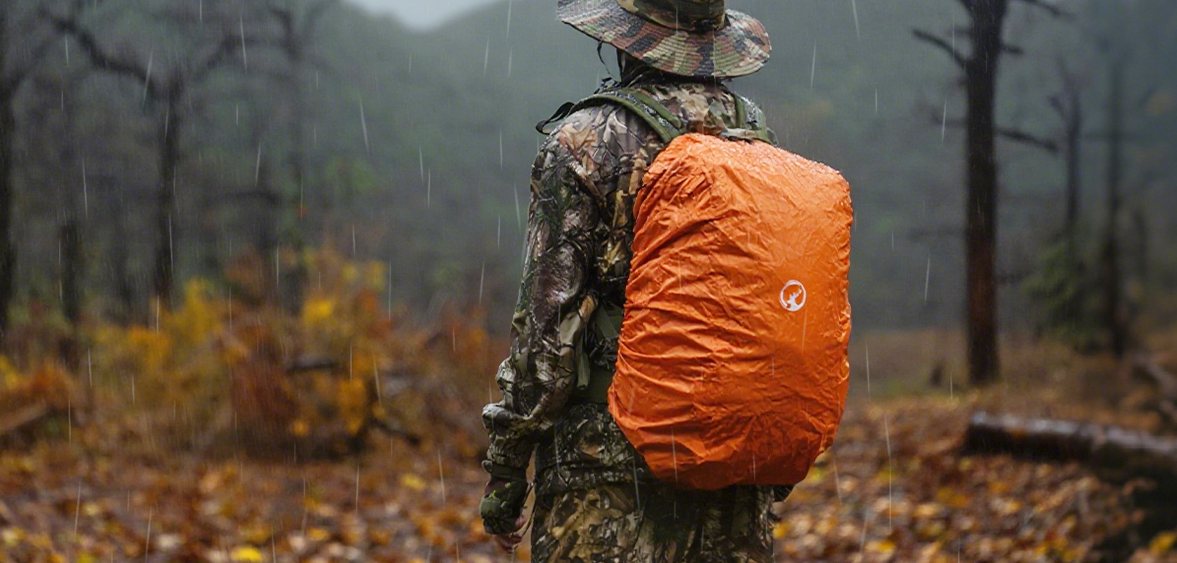
The right outfit is essential when it comes to staying comfortable and effective while turkey hunting in the rain. Rainy hunting is more difficult, but with the proper gear, you can keep yourself dry, sharp, and ready to hunt when thermals or turkey activity increase.
Choosing the right waterproof gear, quiet materials, and durable equipment can be the deciding factor between a miserable outing and a successful one.
1. Waterproof Outerwear
You should have a high-quality rain jacket and rain pants. When going on long hikes or doing stakeouts, avoid overheating when the material is breathable but completely waterproof. Fuzzy brushed fabric is best for not rustling and/or alerting nearby birds.
Bring an extra pair of dry gloves and socks in a sealed bag. Don’t let cold, wet hands or feet end your hunt early.
Some popular options, such as the Sitka Gear Downpour Jacket, designed specifically for hunters, with a silent waterproof shell and optimized mobility.
2. Waterproof Boots
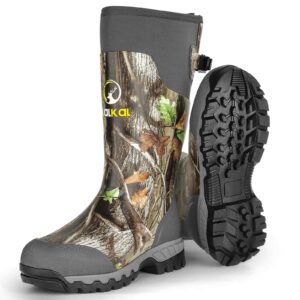
Include boots with waterproofing and aggressive tread in your gear list. These hunting boots will help you stay on the ground safe and dry, and navigate slippery, muddy terrain confidently.
Popular Option: Kalkal Camo Neoprene Hunting Boots, known for comfort, durability, and excellent grip in wet environments.
3. Ground Blind
Rainy conditions could be solved by a pop-up blind with a waterproof roof. It protects from the elements and keeps you from seeing or being seen, while calling or waiting out a gobbler.
You can check out this: Kalkal 300 Degree See-Thru Blind, compact, easy to set up, and weather-resistant.
4. Rain Cover for Firearm or Bow
Keeping your weapon dry is vital to ensure functionality and safety. A slip-on rain cover or even a simple trash bag can prevent moisture from affecting your gun’s action or a bowstring’s tension.
5. Dry Bag or Waterproof Backpack
Protect your calls, licenses, phone, snacks, and extra layers from water damage. Many waterproof backpacks now include roll-top closures and internal compartments to organize gear efficiently.
6. Waterproof Turkey Calls
Staying dry for yourself is the easy part; however, you also need to consider how to keep your gear dry and working when it is pouring.
Traditional box and slate calls often fail in wet weather. If a wooden box call gets damp, it’s basically a silent block of wood. You should bring turkey calls made from waterproof or synthetic materials. Or, diaphragm mouth calls are also a good option.
Tips for Hunting Turkey In the Rain
Success in rainy conditions often comes down to knowing where to hunt and how to adjust your tactics. Rain affects turkey behavior, visibility, and sound transmission, so your strategy must adapt accordingly.
Where to Hunt Turkey in the Rain?
- Field Edges: Turkeys often feed in open fields, pastures, or logging roads during light rain. The rain softens the ground, making it easier for them to reach worms and insects.
- Woods with Canopy Cover: Turkeys prefer to shelter in moderate to heavy rain under pine stands, dense hardwoods, or near ridgelines that provide cover. They do not expose themselves completely when it starts raining strongly.
- Near Roost Sites: Birds often delay leaving roosts in steady rain. Hunting early in the morning, just after a break in the weather, can be highly productive near roosting areas.
How to Hunt in Wet Weather?
- Use Ground Blinds: Use a waterproof ground blind to keep you dry, and it also tends to hide excellent movements when you are calling or changing gear.
- Stalk With Caution: Rain muffles sound but also exposes movement. You should take shorter, softer steps and avoid unnecessary gear shuffling.
- Adjust Calling Techniques: Adjust your calling to match distance and conditions. Use loud, sharp cuts and excited yelps to locate birds. But in heavier rain, once you’re set up on a bird, subtle yelps or purrs usually sound more natural than loud, repetitive calling.
- Realistic Decoy Setup: You need to make the decoy setup look like a flock of birds that have just stepped out of the wet bushes to dry their feathers. Place a hen and a jake decoy in the middle of the field or on a high spot where the wind can reach them.
- Watch for Post-Rain Activity: Birds often become active just after the rain stops. These 10 – 30 minute windows are when you want to position yourself in feeding areas or field edges.
- Be Patient: In wet weather, turkey movements tend to be slower and more deliberate. Try not to move too much because birds are going to find their way to you, set yourself up in high-traffic fields, and let birds do the best of the walking.
Practical Strategies To Win The Wet Game
1. Scout Ahead of Time
Before going to a turkey hunt, we must identify turkey travel corridors, roosting trees, and dusting areas, as well as feeding zones. They then pay attention to low-lying areas that they know will flood during rain or inclement weather.
Placing trail cameras in or near the edges of fields and logging roads can detect patterns through different weather conditions.
2. Stay Dry and Comfortable
Drop a compact waterproof seat cushion or foldable stool to prevent spending your day sitting in wet terrain. Or you could just wear a turkey hunting vest with seat, which allows you to sit anywhere and stay dry at the same time.
Wearing waterproof outer clothing and moisture-wicking base layers will block out water and make you more comfortable in the field, and you can focus on the shooting.
3. Bring Binoculars
Visibility is limited by rainy or foggy conditions. Since turkeys move slowly and cautiously, especially when doing so on distant field edges or through open woods, those who use binoculars are free to listen, deliberately scouting them in this manner.
Here are our top picks: 5 Best Binoculars For Hunting.
4. Check Weather Forecasts
It’s best to use hourly forecasts to plan your hunts around breaks in the weather. Apps can show you precipitation timing, wind direction, and barometric pressure changes that influence turkey movement.
Check out these best hunting apps recommendations that most hunters use.
5. Be Flexible
Don’t hesitate to move if your first setup isn’t productive in 45–60 minutes. Sometimes all that is needed is a short move to more elevated ground or onto a new field edge.
6. Track Before Blood Trails Fade
This is the trickiest part of hunting in the rain. A heavy downpour can wash away blood trails in minutes.
If you fire a shot, keep your eyes on the bird like a hawk. Don’t just look at where it was before, but carefully observe exactly where it flies into the woods.
If it doesn’t fall immediately, run to that spot as quickly as possible. You can’t wait 30 minutes like you would on a sunny day, otherwise the rain might wash away your only clue.
Post-Hunt Gear & Bird Care
Once you’re back at the truck with a bird over your shoulder, don’t forget to check the following things first:
- Dry the Gun: Don’t just throw your wet shotgun in a gun case and leave it there. That’s how you get rust. Wipe it down, run a dry patch through the bore, and give it a light coat of oil. Follow our guide on: How to Remove Rust From A Gun.
- Hang Your Vest: Check your vest and empty the pockets. You might be surprised how much water sits in the bottom of a turkey vest.
- Bird Care: If you successfully harvest a bird, get it out of the rain and get the skin dry as soon as you can before cleaning it. Wet feathers make the cleaning process a muddy mess.
Conclusion
While some might think that turkey hunting in the rain is not the perfect type of hunt, there are unique advantages if you’re willing to rise to the challenge. Rainy day hunts can be productive for two reasons: hunters are less likely to be in the woods, and birds remain more predictable.
The next time the dark clouds roll in, don’t cancel your plans, gear up, and head into the woods for a wet-weather turkey adventure. You can actually turn it into a rewarding and memorable hunt.
Rain is just one variable in turkey hunting. For a complete breakdown of turkey behavior, calling basics, gear selection, and seasonal strategies, explore our Complete Turkey Hunting Guide.
Leave a Reply