
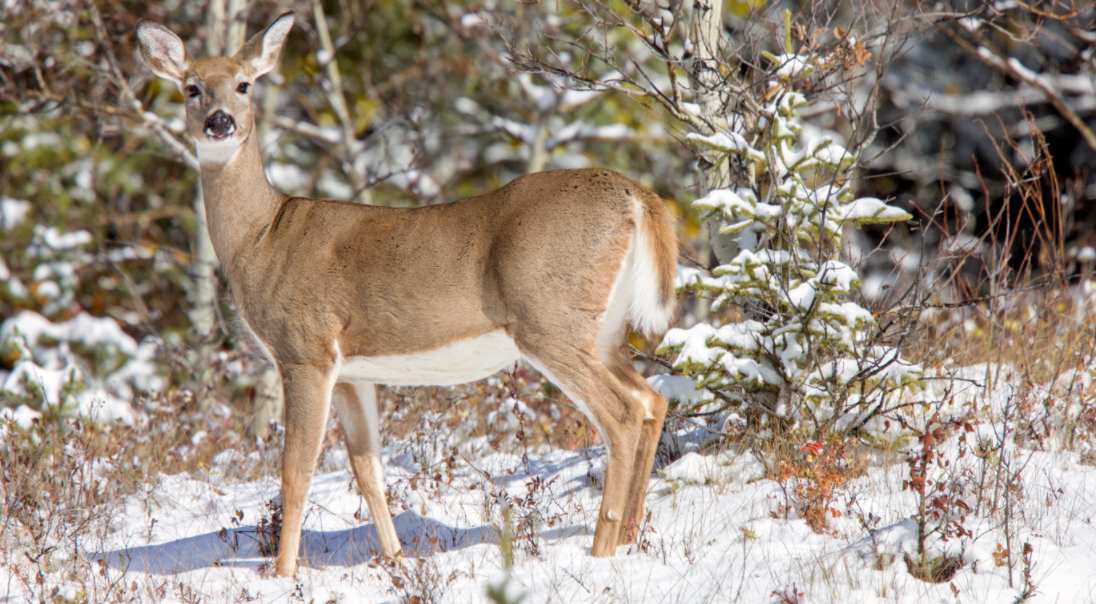
When winter comes to the wilderness, many animals disappear underground or fly to warmer conditions. What about deer? Do deer hibernate and sleep like bears? Or do they just grit and grind it out? It is a question frequently posed by hunters and other nature viewers who notice the pattern of deer behavior shifting in the cold seasons.
The quick response is no, deer are not hibernators. They preserve activity all through the year, even when the temperature drops below zero. However, it is not easy to survive in the winter wilderness. The deer endures phenomenal changes in both their bodies and behaviour to survive the snowy season.
We here examine winter adaptations in deer, migration patterns, how they stay warm, their diet, and what a hunter should know about deer tracking in the snow.
Do Deer Hibernate or Migrate?
Hibernation Isn’t in Their Nature
Bears, squirrels, and bats often hibernate or enter torpor to save energy; however, deer stay active all year. Their winter tactic consists of low energy consumption and maximizing the use of the minimum resources.
Deer have learned to get through the winter not by hibernating but by using slower metabolic rates and fat stores. Along with behavioral choices, such as avoiding movements and using environmental choices.
Mini-Migration
Deer do not migrate like migratory song birds, travelling thousands of miles. But certain populations of deer follow patterns of local migration. As they shift between open fields or mountains and lower forested land.
This change is not necessarily very broad, but it can have a massive effect in terms of shelter, food supplies, and wind cover.
As an example, deer will tend to congregate in so-called deer yards in high density in north bottleneck areas, such as in the Upper Midwest or in the Canadian highlands.
Where Do Deer Go in Winter?
Deer do not just roam around during heavy snows when the winds blow. They choose woodlots, cedar swamps, or pine thickets where they can spend the worst of winter.
These locations provide natural protection to the deer in terms of snow accumulation, wind chill, and potential predators.
Deer tend to make deep tracks across the snow once they have moved into these zones. These tracks give them easy communication between the feeding and bedding areas.
Key characteristics of these winter sanctuaries include:
- South-facing slopes, which receive more sunlight and warmth.
- Evergreen canopies that block wind and shed snow.
- Thickets that provide both cover and browse.
How Do Deer Survive Winter?
Deer are firm survivalists in terms of harsh weather. All their extraordinary capabilities to resist even the freezing conditions are not caused by one trait.
However, when the external conditions are low, a series of biological regulations and behavioral patterns interact to help them save calories and maintain a stable body temperature.
Metabolic Mastery
In the shortening days and the cooling temperatures, the instinct of the deer makes them slow down their metabolism. This way the body reacts biologically, and they do not need many feedings.
They consume less energy, saving themselves and lasting longer with what they have got as fat. Using less metabolism, deer can spend more time between meals. Also, they can simply survive between times when food is scarce beneath snow or ice.
Thick Winter Coat
One of the most significant protection measures of a deer against cold is its fur. Deer start to shed their thin summer coat and develop a dark, densely layered winter coat in mid to late fall:
- The undercoat is composed of fine, compact hairs that hold warm air near the skin, as a form of deprivation of natural insulation.
- The exterior guard hairs are longer, hollow, and water-repellent, aiding in evaporating snow, rain, and moisture, thus preventing it from draining off body heat.
Fat Storage for Energy and Warmth
The fall is one of the important feeding seasons of deer. They eat huge amounts of food during this period, consuming high-calorie foods such as acorns, nuts, corn, apples, and grains.
The aim is to accumulate a mountain of body fat, between 10 and 30 percent of their body weight, which has two essential functions:
- The fat forms a padding between the inner body of a deer and the outer cold environment, and decreases heat loss.
- As the deep winter approaches and food is in short supply, the deer burns up this pile of stored fat to feed the daily requirements and to keep the body functioning.
Where Do Deer Sleep in Winter?
Deer lack anything like permanent beds in the form of a den or burrow. Rather, they select the places to bed down according to weather, direction of the wind, and prey pressure.
Common bedding areas in winter include:
- Thickets and brush piles that provide concealment.
- Sunlit slopes that help warm them during the day.
- Forest edges are where they can quickly escape predators.
Deer will curl in a ball-like position when bedding down, tucking their legs under and using their thick coat to keep their body warm.
Fresh snow around a deer bed often melts slightly, creating a noticeable oval depression in the snow.
▶ Learn more about Deer Sleep Patterns and Behaviors.
Do Deer Get Cold?
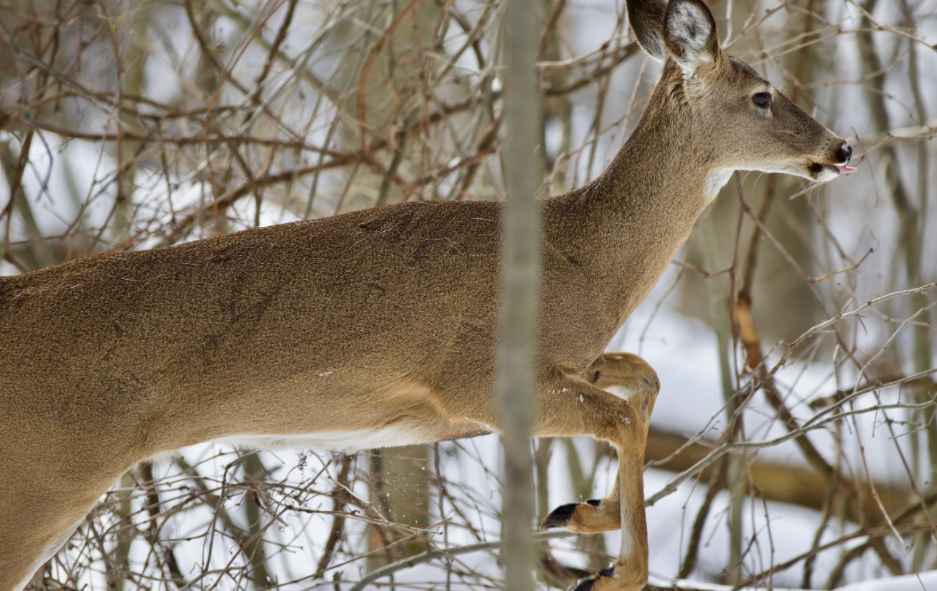
Deer do feel the cold, but they are well furred to bear it. The core body temperature is approximately 100 to 102 °F (37.7 to 38.8°C) for a healthy adult deer.
Adaptations of their coats and behavior enable deer to survive temperatures as low as -30°F (-34 °C).
However, it will be difficult for them to survive, or even lead to death, due to extremely low temperatures, heavy snow, and food scarcity, especially for young fawns or malnourished young fawns.
How Do Deer Stay Warm in Winter?
1. Fur and Fat Insulation
Having a thick winter coat is one of the best ways for deer to defend against the cold.
It is a two-layer system: an insulating thick undercoat keeps the warm air against the body. And long, hollow guard hairs cast off moisture and keep heat in like an inborn parka.
When used together with the fat layer formed in fall, this insulation offers superior warmth even in near-zero temperatures.
2. Reduced Movement
During winter, there is a vast decrease in the activity of the deer. Travelling short distances infrequently enables them to save a lot of energy, which could be consumed in body heat production.
Deer do not roam as much as we think. They stay near food and shelter. Much of the time, deer use an established route to minimize deep snow and exertion.
3. Specialized Circulation
Deer are adapted with something called counter-current heat exchange in the legs. This system enables warm blood to flow out of the body core and can distribute its heat to other colder blood coming back to the body core.
Because of this, the legs are cooler than the torso, and it is less likely to lose heat and yet remain functional. This adaptation can make them walk or stand on the snow without getting frozen.
4. Group Living and Trail Sharing
In severe winters, deer frequently congregate in small herds. Particularly in extensive woods, or in deer yards where there is shelter. Living in groups assists them to save warmth, where many bodies produce more warmth.
Also, by traveling on each other’s tracks through the snow, along with their densely packed trails. They save the energy spent on locomotion and leave their retreat open in the case of predator arrival.
What Do Deer Eat In The Winter?
There is a radical change in food in winter.
During the summer and fall, deer indulge in feeding on fruits, leaves, nuts, and grasses. During the winter, they resort to what remains available, in most cases, low-nutrient woody plants.
Winter food is less digestible and less nutritious, hence the free fat deposits help fill these energy gaps.
Common Winter Foods:
- Twigs and buds from maple, dogwood, birch, and sumac
- Cedar, hemlock, and fir needles
- Remaining acorns or chestnuts are buried under the snow
- Agricultural leftovers like corn, soybeans, or alfalfa
What to Feed Deer in Winter (If Needed)?
In a lot of places, deer feeding is either controlled or discouraged since this practice may not necessarily offer any benefits.
However, if feeding is permitted and done responsibly, consider these options: deer-specific pellets, oats, alfalfa cubes, and apples or carrots(in small amounts).
These foods are designed to meet deer’s nutritional needs during the harsh winter months, providing essential vitamins, protein, and minerals.
On the other hand, it’s important to avoid feeding deer bread or regular hay, as these can disrupt their digestion. Sudden changes in diet, particularly high-carb foods, can upset their digestion and lead to “deer starvation” syndrome.
By being mindful of what and how you feed deer in winter, you can help support their health while ensuring you comply with local regulations.
What Hunters Should Know For Winter Hunting?
Hunting deer during winter may turn out to be one of the most fulfilling moments. However, the only way to make it so is by familiarizing yourself with their seasonal traits.
To get the best out of your success, there are some tips you can take into consideration:
1. Focus on Food and Bedding
With limited movement, deer stay close to their food sources and safe bedding areas. Look for:
- Edge habitats between the forest and the fields
- Heavy cover near known food plots or ag fields
- Trails between the bedding and feeding zones
2. Timing is Key
The deer might be more nocturnal during wintertime as opposed to early morning or late evening. Dawn movement is usually inhibited by low temperatures.
3. Watch the Weather
Snowstorms are followed by cold spells that may drive the deer to feed more. Make it a point to plan your hunts in the after-storm periods, as more motion of the deer is possible.
4. Tracking is Easier
Snow makes tracking much simpler. Look for:
- Fresh tracks
- Trail systems
- Beds melted into the snow
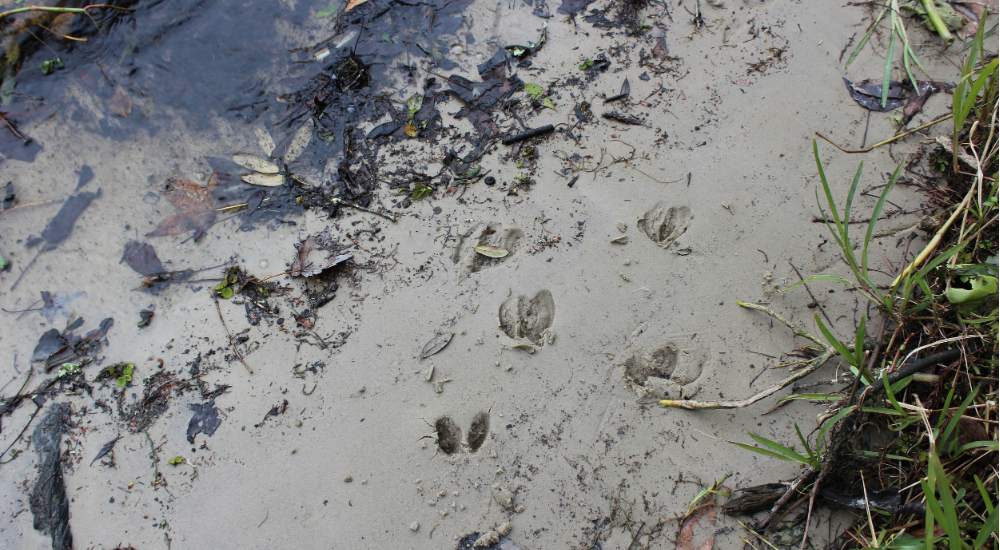
Tracking deer in winter can be significantly easier, thanks to the snow cover that reveals their movements. Fresh tracks in the snow provide clear indicators of where deer have been, making it simpler to follow their paths.
As you explore the area, look for well-worn trails. These paths usually show where deer travel regularly between bedding cover and food.
You might also notice melted spots in the snow where a deer has been bedded down. Those beds can give you a good idea of where deer feel safe resting.
Paying attention to signs like these helps you gather valuable information on how deer are using the area. This can make a big difference when you’re trying to plan your next hunt in the winter woods.
5. Dress for the Elements
Winter hunting means long hours in freezing weather. Also, remember to use scent control products. Cold air holds scent longer, and deer can detect it from farther away.
Essential gear includes:
- Snow camo suit for concealment
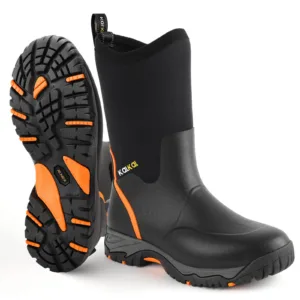
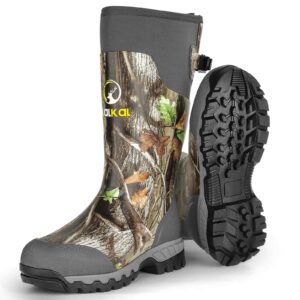
- Waterproof insulated hunting boots
- Hand and foot warmers
- Quiet, windproof and insulated layers
- Face coverings and gloves
Conclusion
Now, you already know the answer that deer do not hibernate. They adapt their metabolism, behavior, and habitat so that they can survive the worst time of the year rather than sleeping off a cold.
To hunters and those watching them, it is important to understand these adaptations that occur on a seasonal basis. It does not just make you more likely to see deer in winter, but also gives you a better understanding of how the deer manage to survive, and how you can follow their hoofprints in the new snow.
Learn More About Deer:
- Complete Deer Hunting Guide
- What Color Can Deer See?
- How Fast Can a Deer Run?
- Understand Deer Brow Tines
- How Far Can Deer Smell You?
Leave a Reply