
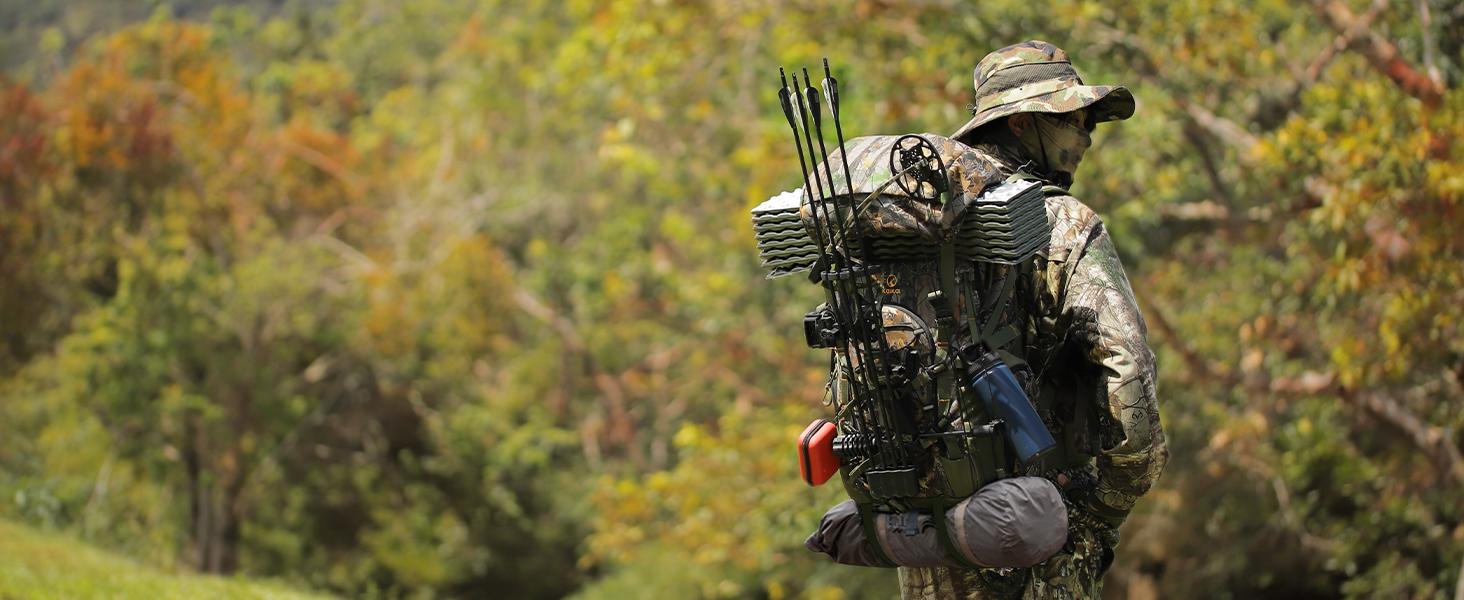
Successful hunting is not only a matter of skill, patience, and land knowledge; it is also something that requires preparation, and most of it concerns what you carry. You can be hunting deer in the deep woods, waiting on waterfowl, or calling turkeys in the spring, and your backpack should be loaded with the equipment that keeps you safe, effective, and comfortable.
So, what to pack in a hunting backpack? This is based on what, how, and where you are hunting. Here is a guide that will have a detailed list of the backpack gear depending on the hunt.
You will find out what there must be in every pack, what special gear will work on deer, turkey, small game, and waterfowl. Also, what would otherwise seem unexpected but will be of surprising value. At the end, you will have a clear idea of how to pack and how to hunt with confidence.
What To Pack In a Hunting Backpack?
The four main categories to consider are: comfort, survival, navigation, and hunting success when preparing to go on a hunt. Every category contains the items that you will need at one time or another.
Not all hunters carry heavy gear, but some carry some equipment to use in case of an emergency. The correct proportion is in the distance that you will go and the duration of your stay in the field.
Universal Essentials for Every Hunting Backpack
The following are the things that almost any hunter must have at all times, regardless of the season:
- Water Supply: Water is very important for energy, concentration, and safety outside. It is always convenient to have a reusable water bottle or hydration bladder.
- Snacks or Meals: Trail mix, jerky, or energy bars are a good source of energy on long hunts. Select foods that contain protein and good fats that give you enduring energy.
- First aid Kit: A small kit is capable of curing a cut, sprain, or blister in no time. It is more dependable when insect repellent and pain relief pills are added.
- Sharp Knife or Multi-tool: This is needed to deal with an emergency or to field dress an animal. Repairs such as screw tightening or strap replacement are also covered by a multi-tool.
- Navigation Tools: GPS, compass, or a map will help you not to get lost. There will always be a simple paper map as an emergency backup to digital devices.
- Headlamp or Flashlight: You need light in early mornings and evenings. Bring additional batteries in case of unforeseen darkness on the field.
- Extra Clothing: Gloves, socks, and a rain jacket protect against weather changes. Layering is clever since afternoons and mornings tend to have temperature changes.
- Binoculars: It is more efficient and effective to see and shoot games at a distance. Select small, light binoculars to eliminate extraneous weight.
- Game Bags: Store meat that has been harvested in a safe and clean bag. Longer hunts can also be spoiled by easier-to-breath fabric bags.
- Licenses and Tags: Legal documents should be carried at all times during your hunt. Put them in plastic bags or waterproof cases so they won’t be lost or destroyed outside.
Unexpected But Useful Items
Except for the above common gear, there are certain items to consider adding to your backpack, which can become lifesavers in the field.
- Duct tape: Repairs torn gear, fixes boots, or even bandages wounds.
- Hand warmers: Perfect for cold mornings in deer stands or blinds.
- Toilet paper or wipes: A basic but easily forgotten necessity.
- Rangefinder: Improves accuracy by measuring exact shooting distance.
- Power bank: Keeps your phone or GPS charged throughout long hunts.
- Trash bags: Bring your waste out of the field and also double as rain covers, meat storage, or ground sheets.
Packing Strategy and Organization
It’s not just about what to pack in a hunting backpack, but also how you pack it. Poor organization can waste time and make noise, reducing your success.
- Use compartments wisely: Place quick-access items like calls and ammo on top.
- Waterproof items separately: Electronics and paperwork should be sealed in bags.
- Balance weight evenly: Prevents fatigue and keeps movement smooth.
- Pre-pack the night before: Reduces mistakes and ensures nothing is forgotten.
Backpack Gear List for Deer Hunting
Deer hunting requires patience, stamina, and many hours of waiting. You can sit on a tree stand, walk over ridges, or hunt silently. Your backpack must carry equipment to work in stealth, visibility, and effective game recovery.
Essential Items for Deer Hunting
Deer often notice sound and scent before sight. Carrying odor control devices and calls enhances the probability of attracting deer.
A rangefinder establishes ethical and precise shots. And when the deer is down, there are ropes and game bags that make recovery and the preservation of meat easier.
- Scent control spray or wipes: Deer have acute noses, and, therefore, concealing scent is beneficial. Use frequently, particularly before bedding or feeding space.
- Rangefinder: This is essential to rifle hunters and bowhunters to determine distance. Ranging accuracy results in more ethical and cleaner shots in different terrain.
- Deer calls or rattling antlers: These are useful in attracting deer in the rut. It is best to learn to make calls on time and beat.
- Safety harness: Use is required in tree stand hunting to prevent falls. The straps and the clips should always be checked before going out. For ultimate safety, check out our Kalkal Treestand Safety Harness.
- Drag rope or game cart straps: These are needed to move heavy deer efficiently. These tools prevent injury and reduce exhaustion during recovery.
- Binoculars with lens covers: Can be used to see the deer, but not move too much. Coverings provide a shield around lenses to prevent dirt, moisture, and unintended scratches.
Additional Items
- Small folding saw: Cut shooting lanes or clear branches quietly.
- Flagging tape: Mark your trail back to camp or to blood trails.
- Compact seat cushion: Comfort helps during long sits in tree stands.
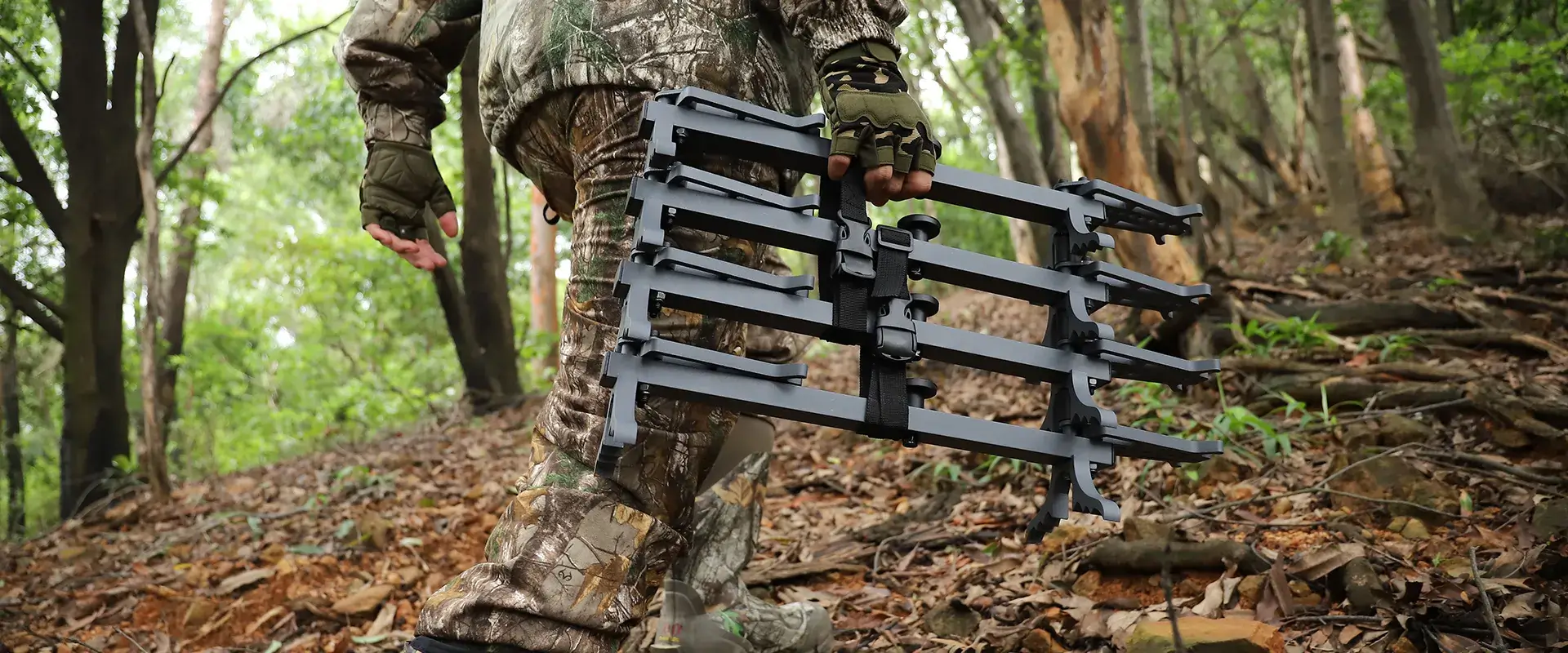
- Climb sticks: Help you climb higher easily if hunting from a tree stand or a saddle.
Backpack Gear List for Turkey Hunting
Hunting of turkeys is very interactive. You are calling birds about, maneuvering, and getting yourself set up. This is more sound-intensive and has more camouflage accessories in comparison to deer hunting.
Essential Items for Turkey Hunting
Turkeys rely heavily on eyesight, making camouflage crucial. Calls and decoys mimic natural behavior and lure birds into range. Pruners allow fast, quiet setup in dense areas.
- Turkey calls (box, slate, diaphragm): Attract gobblers and hold them quiet. Multiple calls allow adjustment of tone, volume, and style to produce realistic diversity.
- Decoys: Collapsible decoys are light and enhance the chances of attracting turkeys. Giving them the right position will provide a natural scenery where gobblers are more comfortable coming closer.
- Camo gloves and face mask: Turkeys have good eyesight and are very sensitive to color and motion. Wearing camo clothes with long sleeves and long pants would make you less visible, and you will look like a part of the environment.
- Rangefinder: Aids in safe and correct shooting with a shotgun or a bow. It is more important in close cover where distance is more difficult to estimate.
- Pruners or clippers: Cut brush fast to install a ground blind. Quiet cutting reduces noise in order to shoot better.
- Small stool or cushion: Remain comfortable whilst waiting. Comfort will prevent you from moving, and of course, turkeys will notice it even at a distance.
Unexpected Additions
- Bug spray or netting: Spring turkey season often brings swarms of insects.
- Waterproof seat pad: Protects you from morning dew while sitting.
- Thermometer or weather app device: Helps track patterns of turkey activity.
Backpack Gear List for Small Game Hunting
Small game hunting usually means chasing rabbits, squirrels, or upland birds. These hunts are more mobile and involve frequent walking. Lightweight and versatile gear works best.
Essential Items for Small Game Hunting
Because small game moves fast, hunters need light gear that doesn’t slow them down. A game pouch allows carrying multiple animals, and lightweight ammo reduces fatigue.
- Small caliber ammunition or shells: Designed to shoot rabbits, squirrels, and upland birds. Choose light battles that do not produce an extensive amount of damage to the meat.
- Game vest or pouch: Game will be secure, and your hands will be free. Additional pockets carry ammunition, snacks, and equipment.
- Field knife: When you have killed an animal, make sure the cut is clean. Skinning and cutting will be easier with a small, sharp hunting knife set.
- Binoculars: Spot small animals in thick brush or trees. Light binoculars ensure that you do not get tired and provide a clear vision.
- Camouflage or blaze orange vest: Depending on state regulations for visibility. Camouflage helps blend in, while orange ensures safety when hunting public lands.
- Water and lightweight snacks: Keep you moving without weighing you down. Dehydration or hunger reduces focus, so consistent energy boosts are essential outdoors.
- Compact first aid kit: Handles scratches, bites, or small injuries. Include bandages, antiseptic wipes, and tweezers for treating cuts, bites, or embedded thorns.
Unexpected Additions
- Slingshot or air rifle pellets: Useful for practicing or opportunistic shots.
- Mini binocular harness: Keeps optics secure without bouncing while walking.
- Folding stool: Handy during breaks or when waiting near feeding areas.
Small game hunts are often entry-level, but proper gear makes them enjoyable and productive.
Backpack Gear List for Waterfowl Hunting
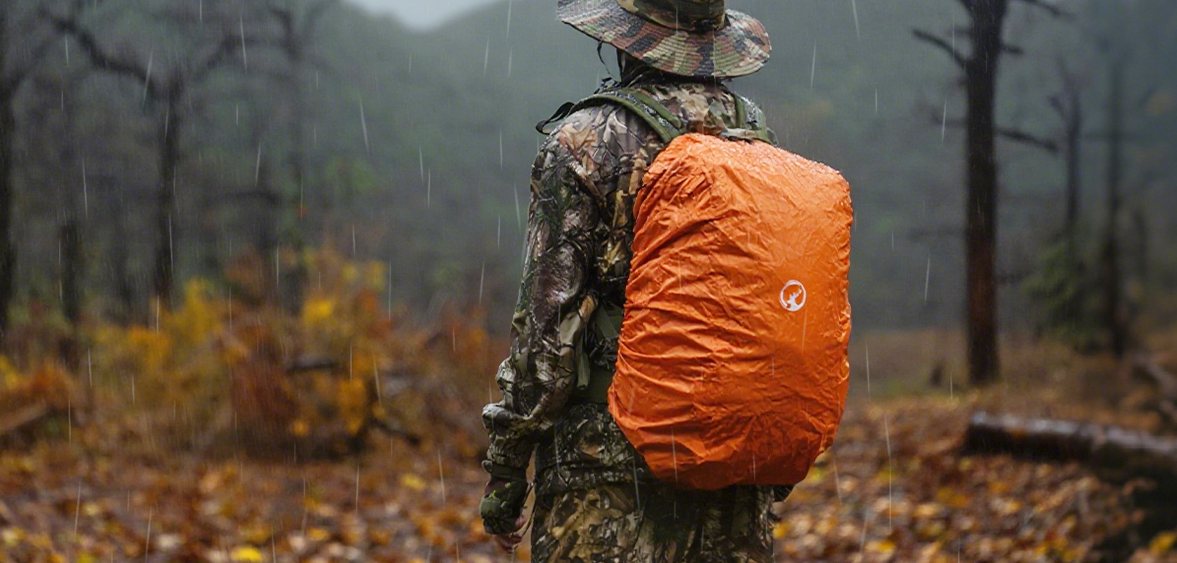
Waterfowl hunting requires much equipment, particularly blinds or boats. The weather is generally wet, cold, and windy. Carry a waterproof backpack that is able to carry special tools.
Essential Items for Waterfowl Hunting
Waterfowl require luring with decoys and calls, making them non-negotiable. Waterproof clothing keeps you functional in wet environments. Extra ammunition ensures you’re ready for multiple flights of birds.
- Duck or goose calls: You require calls to attract waterfowl over a long distance. Practice different sounds and beats, so the calls sound real.
- Waterproof gloves and waders: Keep you dry while setting decoys or retrieving. Duck hunting waders with durable material also provide insulation, keeping your body warm in icy conditions.
- Ammunition (steel shot): Always bring extra for fast-moving flocks. Waterfowl often come in groups, so multiple follow-up shots may be required during action.
- Decoy line and weights: Keeps decoys stable in water currents. Properly secured decoys create realistic movement, helping trick ducks and geese into landing closer.
- Headlamp with red light option: Useful for predawn decoy setup. Red light preserves night vision while preventing disturbance of wildlife before daylight arrives.
- Waterproof bag or case: Protects phone, licenses, and electronics. Double-sealed zippers or roll-top closures ensure valuables remain dry even in splashing water.
- Thermos with warm drink: Provides comfort during cold waterfowl hunts. Hot coffee, tea, or soup boosts energy and helps maintain body warmth.
Useful Additions
- Hand towel or microfiber cloth: Dry hands quickly after handling wet gear.
- Floating gun case: Prevents disaster if your shotgun falls in water.
- Portable heater or heat packs: Adds comfort in freezing blinds.
Final Thoughts
Creating a smart backpack hunting gear list requires a compromise between what you need, safety, and comfort. Necessities such as water, first aid, and navigation are appropriate in any hunt.
On top of that, there are specific hunting deer, turkey, small game, or waterfowl gear that increases success. A couple of surprises, such as duct tape or hand warmers, will make a difficult hunt a manageable one.
It is a random game of hunting, and your backpack is your lifeline. With this knowledge, you will be packed and ready to go in any type of hunting you happen to face. Hunt responsibly, pack smart, and have the rewarding experiences available in the field.
Leave a Reply