
Cold feet can ruin your hunt than almost anything else in winter hunting. The right pair of insulated hunting boots keeps you warm, steady, and comfortable during long days outdoors. But many hunters struggle to understand insulation grams and how they affect warmth and mobility.
Choosing the proper insulation level depends on temperature, terrain, and activity level. This guide explains insulation grams clearly and helps you choose the perfect level for your next hunt.
Understanding Grams of Insulation
The “grams” in insulated boots refer to the weight of the insulation material used in the boot’s construction. This measurement does not describe the total weight of the boot. Instead, it indicates how dense and warm the insulation is.
Higher grams generally mean better heat retention, although the final warmth also depends on insulation type, boot materials, and personal activity levels.
Common Insulation Levels and What They Mean
Although insulation ratings vary slightly by manufacturer, the following are typical temperature expectations:
- 200g insulation: Designed for mild to cool temperatures. Many hunters wear these during early-season hunts when temperatures stay above freezing.
- 400g insulation: Suitable for cool fall weather and moderate winter temperatures. Ideal for hunters who move frequently and generate body heat.
- 600g insulation: Comfortable for colder conditions, especially during late fall. Good for hunters who alternate between hiking and stationary glassing.
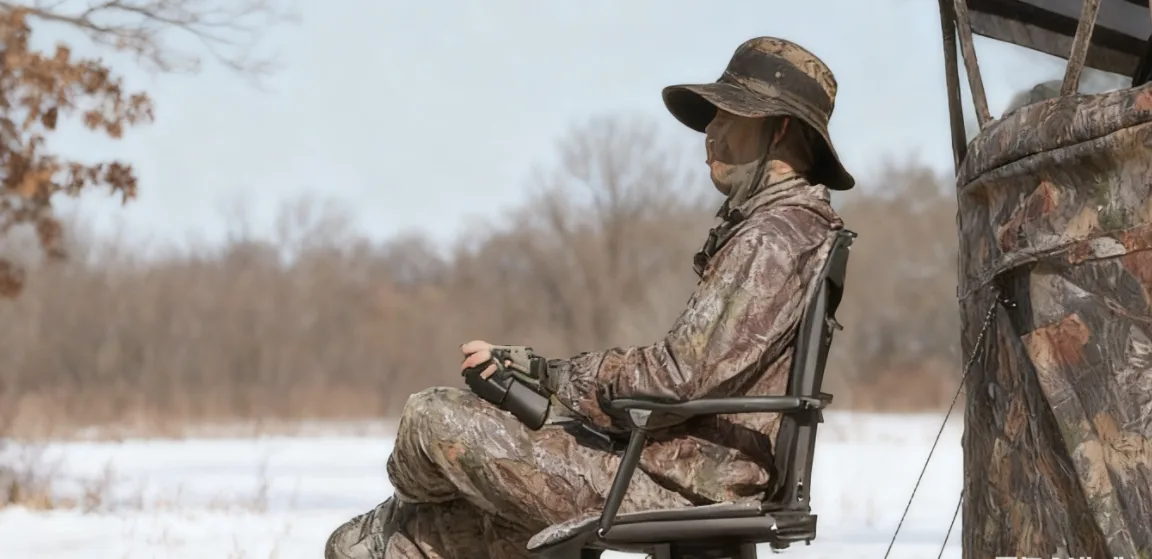
- 800g insulation: Built for cold climates and slower-paced hunts. Best for treestand hunters, duck hunters, and anyone inactive for long stretches.
- 1000g insulation: Designed for very cold environments where temperatures drop below freezing. Perfect for long, still hunts in deep winter.
- 1200g and above: Intended for extreme cold and minimal movement. Ideal for ground blinds, treestand sits, or deep-winter predator hunts.
These ratings provide general guidance, but body type, socks, boot fit, and movement level all affect your actual warmth.
Common Types of Boot Insulation
Different insulation materials perform differently, even when assigned the same gram rating. Understanding each type helps you choose the best option for your hunting conditions.
Thinsulate
Thinsulate is one of the most popular synthetic insulations. It delivers excellent warmth while remaining lightweight and thin. Many high-performance hunting boots use Thinsulate because it traps heat effectively without creating unnecessary bulk. Thinsulate is also breathable, helping reduce moisture buildup inside the boot.
PrimaLoft
PrimaLoft is another high-quality synthetic alternative known for its water resistance and compressibility. It maintains insulation even when wet, making it ideal for wetland hunting scenarios like marshes, swamps, or snowy fields. PrimaLoft tends to feel softer than some other synthetic options.
Natural Liners
Some boots use natural materials such as wool or sheepskin linings. These materials provide warmth and moisture management naturally.
Wool liners excel in cold, damp environments because they retain heat even when saturated. However, natural liners can be heavier and slower to dry than synthetic insulation.
Neoprene Insulation
Neoprene is technically not a traditional “gram-rated” insulation. However, many modern hunting boots use neoprene because it provides excellent insulation, waterproofing, and durability.
Neoprene traps heat within tiny air pockets, creating steady warmth. A 5-7mm neoprene boot often performs similarly to mid-to-high synthetic gram ratings.
How Many Grams of Insulation Should You Choose?
Selecting the right insulation level begins with an honest assessment of your hunting style, weather conditions, and movement patterns. Below is a clear guide to help you match insulation grams with real hunting situations.
200g Insulation Boots
Best for: Early-season deer hunters, upland bird hunters, turkey hunters
Typical temperatures: 40°F to 60°F
Reasons to choose:
- Lightweight feel with high mobility
- Suitable for high-movement hunts
- Ideal for hikers and active hunters
These boots work well when temperatures are cool but not cold. If you are constantly moving, 200g insulation provides enough warmth without overheating.
400g Insulation Boots
Best for: Mid-season deer hunts, upland game hunts in fall, hog hunting
Typical temperatures: 30°F to 50°F
Reasons to choose:
- Good middle-ground warmth
- Comfort for hunters who walk often
- Prevents sweaty feet while still retaining warmth
This level suits autumn hunts where temperatures fluctuate. It works well for anyone who alternates between moving and stopping.
600g Insulation Boots
Best for: Late-season whitetail hunts, pheasant hunts in cold climates
Typical temperatures: 20°F to 40°F
Reasons to choose:
- Improved insulation without excessive bulk
- Great for cold mornings and long sits
- Works well for moderate activity levels
Hunters who spend long hours in the field benefit from this balance of warmth and usability.
800g Insulation Boots
Best for: Treestand hunters, duck hunters, late-season game hunters
Typical temperatures: 0°F to 30°F
Reasons to choose:
- Reliable warmth for extended stillness
- Ideal for frozen swamps or icy marshes
- Protects against biting wind chill
This insulation level is excellent when you spend long periods sitting or standing in extremely cold conditions.
1000g Insulation Boots
Best for: Winter predator hunts, arctic conditions, frigid wind exposure
Typical temperatures: -10°F to 20°F
Reasons to choose:
- Designed for brutal winter weather
- Provides warmth with limited activity
- Ideal for blinds or long stationary sets
These boots are perfect when temperatures plummet, and movement remains minimal.
1200g – 1600g Insulation Boots
Best for: Extreme winter hunts, deep-freeze temperatures, and stationary ice fishing
Typical temperatures: -25°F to 10°F
Reasons to choose:
- Maximum warmth for long-term exposure
- Heavy-duty insulation for subzero conditions
- Ideal when mobility is not required
This level is reserved for the coldest climates and longest stationary hunts.
Choosing The Right Insulation For Your Hunt
Choosing insulation depends on several important factors that influence comfort and performance.
1. Temperature Conditions
Always consider the lowest expected temperature during your hunt. If mornings drop significantly colder than afternoons, choose insulation that keeps you comfortable during the coldest hours.
2. Hunting Style
Activity level plays a major role. Active hunts generate body heat. Stationary hunts require heavier insulation.
3. Terrain and Moisture
Wet environments such as marshes, riverbanks, or snowfields demand both insulation and waterproofing. Choose boots that perform well in these conditions, especially if you expect prolonged exposure.
4. Personal Tolerance
Some hunters naturally run warm or cold. Adjust your insulation level based on your personal comfort history.
Is More Insulation Always Better?
More insulation does not always equal better performance. Heavy insulation keeps you warm during still hunts, but it may cause overheating and sweating during active hunts. Sweaty boots become cold boots once you stop moving.
Excess insulation also adds bulk, which reduces mobility and increases leg fatigue. The right insulation level balances warmth, flexibility, and comfort. Matching the insulation to your specific hunting conditions ensures better overall performance.
Recommended Insulated Hunting Boots
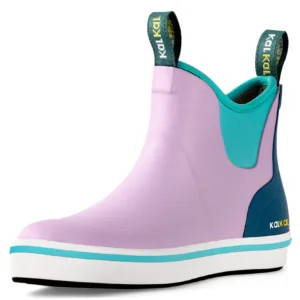
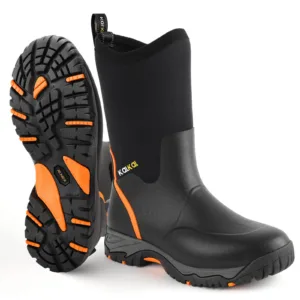
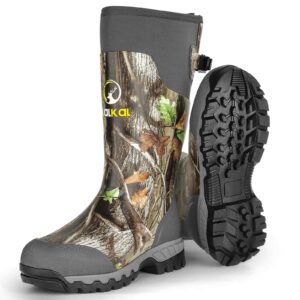
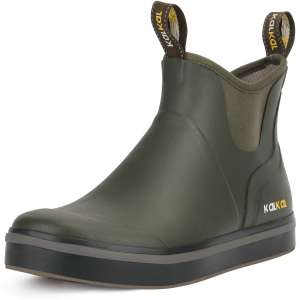
One excellent option for cold-weather hunts is the KALKAL insulated hunting boot, which includes thoughtful engineering designed specifically for harsh conditions.
Kalkal Hunting Boots (800g Insulation)
These boots integrate 800g cold-resistant insulation, making them ideal for late-season hunts and extreme winter cold. The insulation works with a 7mm neoprene construction, providing exceptional thermal retention even in freezing temperatures. A soft fleece lining adds comfort and prevents heat loss during long stationary sets. The boots maintain warmth across a wide comfort range of -30°F to 40°F, making them versatile for many winter hunting styles.
A pure neoprene collar ensures comfort around the calf, creating a snug and flexible seal that moves with you. The rear buckle strap allows a customised fit to most hunters, and also keeps out cold drafts and debris. This design helps lock in warmth while still giving the hunter full freedom of movement.
The hunting boots offer 100% waterproof protection due to their rugged rubber construction. This ensures dry feet while trekking through snow, slush, mud, or wetlands. Hunters can remain focused on the hunt rather than their footing.
A wave-contoured EVA midsole provides lightweight cushioning and shock absorption, reducing fatigue during long hikes. The outer tread is engineered to deliver excellent traction on slick, wet, or uneven terrain, adding safety and stability.
These boots are highly versatile and serve well for hunting, fishing, farm work, gardening, camping, and general outdoor use. Their durability and insulation make them dependable across many environments.
Check more: Kalkal 800g Hunting Boots Review
How to Keep Feet Warm During Winter Hunting
Insulated boots are only part of staying comfortable during winter hunts. Use the strategies below to keep your feet warm, dry, and comfortable.
1. Wear Moisture-Wicking Socks: Start with a thin, moisture-wicking liner sock. Pair it with a warm wool outer sock. This combination reduces sweat and traps heat effectively.
2. Avoid Tight Boots: Tight boots restrict circulation, which leads to colder feet. Choose boots with enough room for thick socks without squeezing your toes.
3. Use Quality Gaiters: Gaiters prevent snow and moisture from entering the top of the boot. They also add a layer of insulation around the lower leg.
4. Keep Feet Dry at All Costs: Change socks during long hunts if they become sweaty. Dry feet stay warm significantly longer.
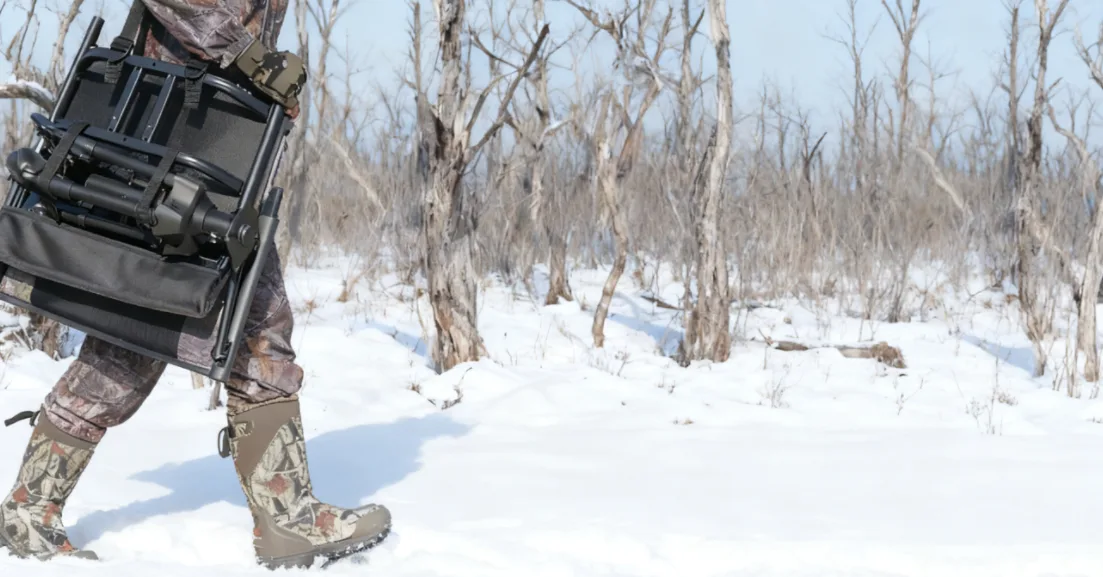
5. Bring Chemical Warmers: Toe warmers or heated insoles provide extra warmth during extremely cold hunts. Use them sparingly to avoid sweating. Also, a heated hunting chair will help with long sits in your blind.
6. Stay Hydrated and Well-Fed: Your body generates more heat when properly fueled. Warm drinks and calorie-dense snacks are helpful during winter hunts.
7. Move Periodically: If you are sitting in a treestand or blind, wiggle your toes and adjust your feet regularly. Light movement keeps blood flowing and reduces coldness.
Conclusion
Choosing the right insulation for hunting boots is essential for maintaining warmth, comfort, and performance in the field. Understanding insulation grams helps hunters choose boots that match their activity level and hunting environment. Whether you need lightweight 200g boots for early-season hunts or heavy 1000g boots for deep-winter weather, proper insulation ensures a successful and enjoyable experience.
For hunters needing reliable warmth and waterproof protection, the Kalkal 800g insulated hunting boots offer a strong balance of durability, mobility, and winter performance. Combine these boots with smart layering, moisture control, and proper foot care, and you can keep your feet warm during any cold-weather hunt.
Warm feet lead to longer hunts, better focus, and more opportunities for success. Choosing the right insulation ensures every step feels steady, comfortable, and ready for the challenge ahead.





Leave a Reply