
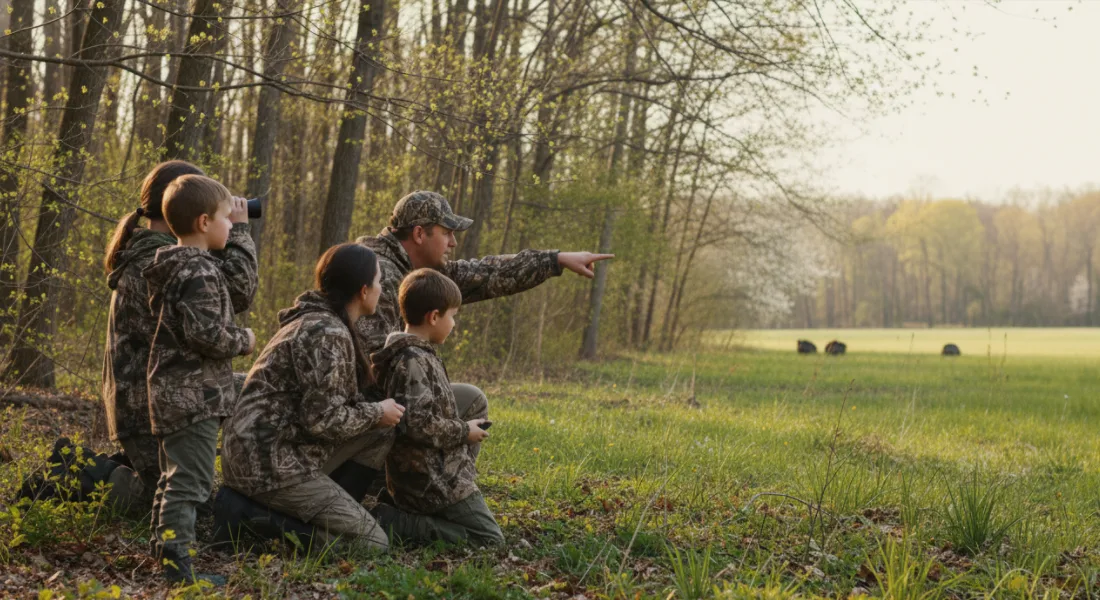
You do not need hunting experience to introduce your child to this outdoor tradition. Reports show that a growing number of young hunters are entering the sport without a family background in hunting, which makes mentorship and guided programs more important than ever.
This guide shows you how to find qualified mentors, navigate state regulations, make informed gear decisions, and create a successful first hunting experience.
The key is understanding your role as a facilitator rather than an instructor.
What a Non-Hunting Parent Should Do First?
Most parents make the same mistake within 72 hours of their child expressing interest in hunting. They start shopping for equipment.
However, many first-time hunters don’t stick with it. Many new participants enter the sport every year, spend a decent budget on gear, and then they quit hunting after one season.
Long-term retention still remains a challenge. So, put away your credit card. Your first three steps involve zero purchases.
1. Confirm Your Child’s Interest Over Time
Children cycle through interests rapidly, especially those under 12. Watch how your child talks about hunting across three weeks.
Ask questions that reveal actual understanding. Such as:
“What part of hunting interests you?” This separates kids who want to shoot from kids who genuinely want to hunt.
“How do you feel about waking up at 5 AM when it is cold outside?”, tests whether they grasp the physical reality.
Youth program coordinators at the National Wild Turkey Federation report that sustained interest over multiple weeks predicts whether a child will hunt beyond their first experience with 80% accuracy.
You should ask about their willingness to sit still for extended periods, and discuss what happens after an animal is harvested. These conversations reveal whether your child understands what hunting actually involves.
2. Check Your State’s Basic Regulations
State hunting laws vary significantly.
Some states, such as Pennsylvania, let very young children hunt with a mentored permit; others set minimum ages (commonly around 10–12) or require completion of hunter education before hunting independently.
A few places have no fixed minimum hunting age but impose mentor supervision rules for young children, such as requiring constant physical contact for those under a certain age.
Visit your state wildlife agency website and locate the youth hunting regulations page. This research takes 30 minutes but prevents legal problems. Print the sections relevant to your child’s age group and highlight the requirements.
3. Look for the Right People
Finding a qualified mentor matters more than any other decision you will make. You need to identify potential mentors before spending money on licenses or gear.
This search should begin at least six weeks before you plan to hunt, as quality mentors often book their time well in advance during peak seasons.
How To Find The Right Help?
As parents, your role is to facilitate the experience and ensure safety, not to provide technical instruction on wildlife behavior or shooting techniques.
John Morrison, who runs youth hunt programs for Quality Deer Management Association chapters across seven states, sees the same pattern repeatedly.
“Parents who try to teach skills they do not possess create confusion and safety risks,” Morrison explains.
Experienced Friends or Family Members
Someone in your social circle who hunts regularly seems like the obvious choice. Evaluate them carefully before asking for help.
The critical question is not “How many deer have you killed?” but rather “Have you taught anyone under 16 before?”
Ask specific questions. How many youth hunters have you personally mentored? What age range? Can I speak with another parent whose child you took hunting? What is your plan if my child gets scared or wants to leave during the hunt?
Local Hunting Communities and Youth Programs
Forty-three states maintain volunteer mentor databases through their wildlife agencies. The quality and vetting process vary significantly.
Minnesota requires background checks, references, and mandatory training for all volunteer mentors. Volunteers complete an eight-hour certification specifically about teaching youth hunters.
The state matches families with mentors based on location, the child’s age, and preferred species.
Other states simply list names of hunters willing to help with no verification or training requirements. Before using your state’s program, call the wildlife agency directly.
Ask about their vetting process, training requirements, and whether they track mentor performance.
There are some organizations that run structured youth programs nationwide. Such as, the National Wild Turkey Federation alone introduced 27,000 youth to hunting in 2023 through their JAKES events.
A typical JAKES event involves 30 youth over a weekend. Kids rotate through stations teaching firearm safety, wildlife biology, tracking skills, and hunting ethics.
They hunt in early mornings with assigned adult mentors trained specifically for youth instruction. Costs range from $10 depending on the chapter.
These programs solve the mentor problem completely but offer less flexibility in scheduling and location than personal arrangements.
Guided Hunts with Professional Outfitters
Professional guided youth hunts cost between $200 and $800 per day, depending on species and location.
Reputable youth outfitters provide firearms, ammunition, safety equipment, hunting locations, expert instruction, and game processing if a harvest occurs.
Look for outfitters who specialize in youth hunts rather than those who simply allow children on adult hunts.
Read reviews specifically mentioning young hunters and ask what happens if a child becomes scared or uninterested mid-hunt.
Choosing a Trustworthy Mentor
Whether you select a friend, program volunteer, or professional guide, evaluate them using the same criteria.
Safety must come first. Ask about firearm handling procedures, emergency plans, and how they maintain control in the field.
Patience with children separates good hunters from good youth mentors. Request examples of previous hunts with children and ensure they prioritize education over harvesting game.
Choosing the Right First Hunting Experience
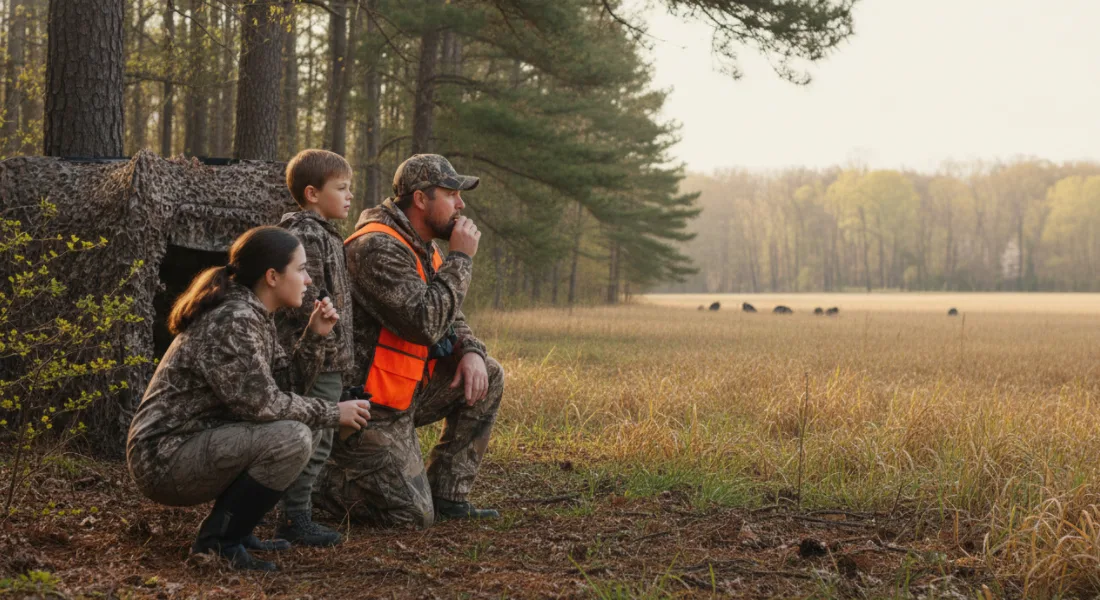
Studies on youth participation suggest that the length and intensity of a hunt can affect how kids experience it. Long sits can be tough on kids, especially early on.
Keeping the first few hunts shorter and more relaxed usually makes a big difference in whether they want to go again. And, it is recommended to plan your first hunt to end by mid-morning, whether or not you saw game.
Deer hunting involves straightforward concepts compared to waterfowl hunting, with its complex federal regulations. Squirrel hunting offers simple entry with liberal bag limits.
The specific species matters less than choosing something with clear, easy-to-follow rules.
You can contact the wildlife biologist assigned to your county. Every state employs biologists responsible for specific regions who track population data.
This 10-minute phone call provides better information than hours of internet research. Choose hunts where seeing game is reasonably likely, even if harvest opportunities do not materialize.
Wildlife management areas exist in every state to provide public hunting access with marked parking areas, established trails, and clear boundaries. Youth hunters on managed public lands report feeling safer than those on unfamiliar private property.
The goal is a positive first experience. Save backcountry expeditions and physically demanding hunts for later after your child has developed skills and confirmed sustained interest.
What Parents Actually Need to Learn?
What Parents Must Understand
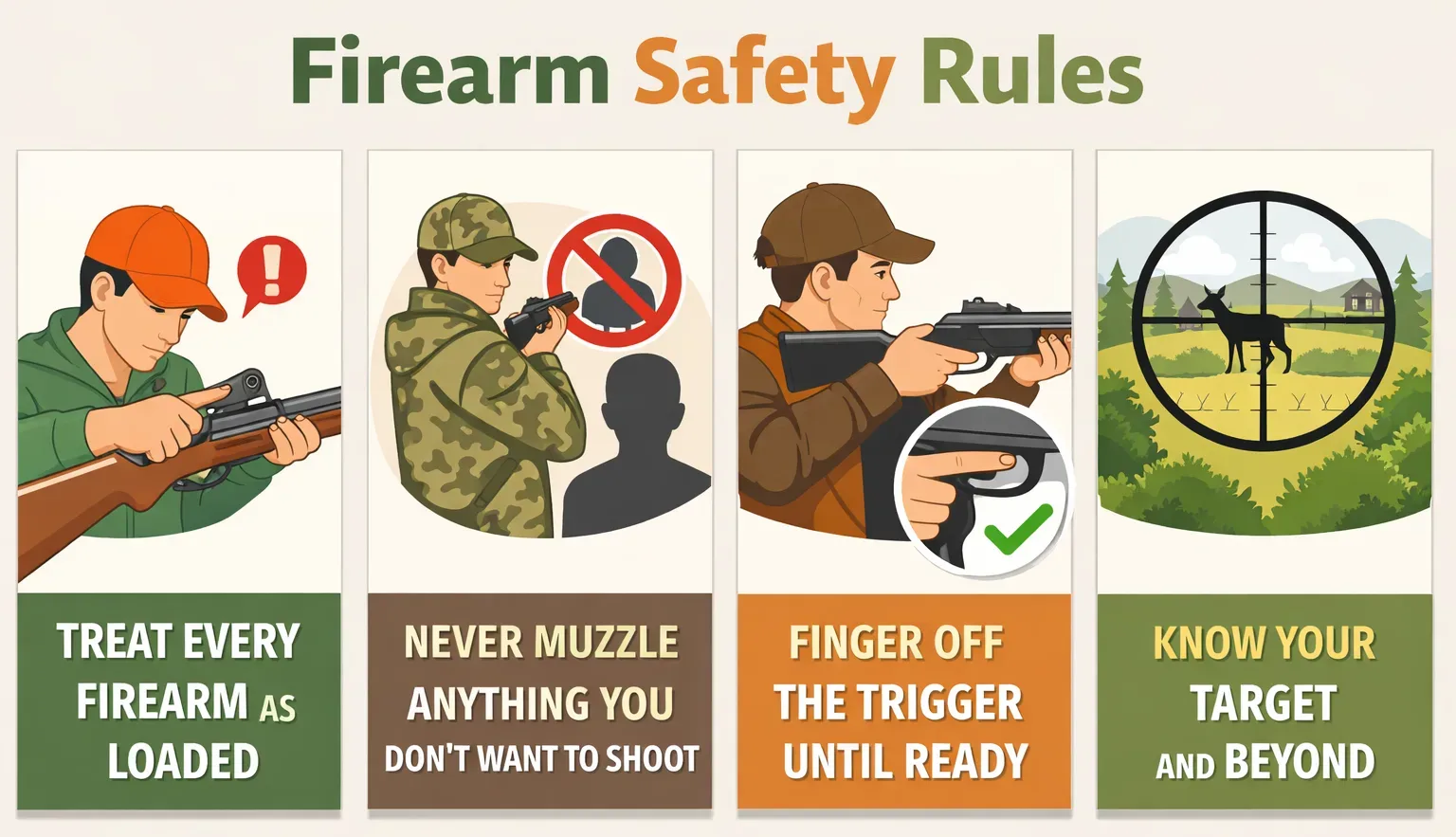
Understanding the four fundamental firearm safety rules remains non-negotiable.
- Every firearm is always loaded until you personally verify otherwise.
- Never point a firearm at anything you do not intend to shoot.
- Keep your finger off the trigger until your sights are on target.
- Be certain of your target and what lies beyond it.
A 2022 analysis by the International Hunter Education Association found that 94% of hunting-related shooting incidents involved violation of at least two of these rules.
Memorizing them gives you the knowledge to recognize unsafe behavior and the authority to stop the hunt if necessary.
Most states separate licenses from tags. A hunting license grants general permission to hunt while tags authorize taking specific animals.
Your state wildlife agency website explains how to purchase licenses. Read this completely and note whether your state requires hunter education certification.
Understanding how to dress your child in layers prevents misery. A typical setup includes a moisture-wicking base layer, an insulating mid-layer, and a weather-resistant outer shell. For some species in firearm season, it is required to wear Hunter orange to prevent hunters from shooting each other.
What Parents Do Not Need to Learn Yet
As a non-hunter parents, you should leave calling strategies, scent control methods, and wind direction analysis to your mentor.
Avoid researching scope brands or ammunition types until your child has hunted successfully multiple times. Don’t waste too many budgets in the first ‘‘not sure’’ hunt
State wildlife agencies provide free resources online, and any kids, regardless of age, are welcome to hunter education courses.
Starting hunting with your child is simpler than most parents expect once they connect with the right support network.
Parents’ Supportive Role on the Hunt
During the actual hunt, your main job is to keep your child safe and comfortable.
Watch for basic hazards like slippery terrain or stay alert for weather changes. Ensure your child stays hydrated and warm, and take breaks before they get too tired to focus.
You will also need to handle the little things that make the day go smoothly. Bring enough snacks and water, keep extra layers close by, and keep an eye on timing, transportation, and the day’s schedule.
According to youth program data, approximately 30% of youth hunters experience unexpected emotional responses even after expressing strong desire to hunt.
Validate whatever your child feels without judgment. Some kids feel excited before the hunt, but then surprise sadness can show up afterward. That is normal.
If your child feels sad after harvesting an animal, do not rush them or try to talk them out of it. Just let them know those feelings are okay, and give them a quiet moment if they need it.
A calm word, a little space, and a simple reminder that hunting can bring mixed emotions often help more than a long lecture.
Never give technical advice about hunting skills you lack. Leave all tactical questions to your mentor.
Your job is to be the steady parent in the background, keeping safety in mind and helping your child process the day in a healthy way.
What to Buy First (and What to Skip)
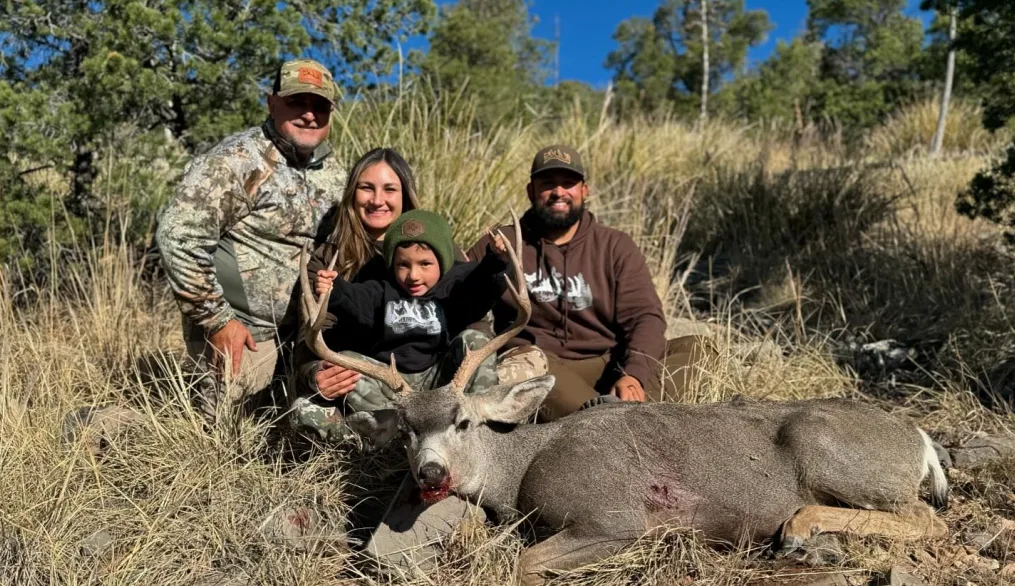
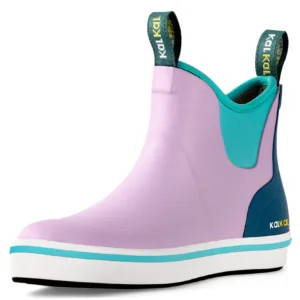
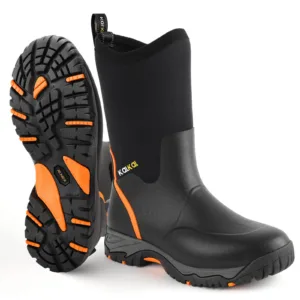
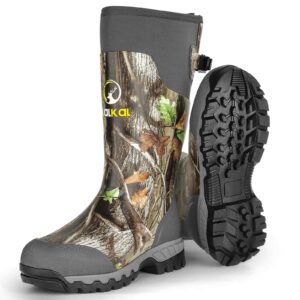
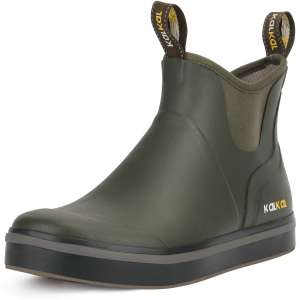
Appropriate clothing and footwear is your only necessary purchases before a first hunt.
Your child needs warm layers suitable for the expected temperature, waterproof outer gear if rain threatens, and hunting boots appropriate for the terrain. Hunter orange safety clothing is legally required in most states during certain seasons.
Firearms, ammunition, tree stands, blinds, calls, and decoys should not be purchased until your child has hunted successfully multiple times.
Many mentors supply everything needed. Some states or retailers lend firearms specifically for youth hunting events.
The research found that families waste hundreds of dollars on gear that never gets used beyond the first season.
Wait until your child has completed at least three successful hunts before buying any firearm. Preferences change as skills develop and children grow.
It is recommended that families budget should be no more than $200 for all equipment in the first year.
Families who spend less report higher satisfaction rates because they avoid the pressure of justifying expensive purchases.
Common Mistakes Non-Hunting Parents Make
Mistake 1: Relying on YouTube instead of real guidance
Some parents believe YouTube videos provide sufficient instruction that enough to get a child ready for hunting. They are not. This approach creates safety risks and almost guarantees negative experiences.
In the field, mistakes happen fast. Children need real-time guidance from someone present who can correct mistakes immediately.
Mistake 2: Starting with hunts that are too hard
Multi-day backcountry elk hunts or predawn waterfowl hunts in freezing weather may work for some youth, but those hunts are often too much for a beginner.
Most kids do better with a simple first season and a slower learning curve. Save ambitious adventures for later, when they already understand the basics.
Mistake 3: Not knowing the rules
Hunting without proper licenses, trespassing on private land, or violating season dates all lead to serious trouble.
Regulatory violations can result in fines exceeding $500 and loss of hunting privileges, and a ruined experience for the whole family.
Before the season starts, make sure every rule is clear.
Mistake 4: Buying too much gear too soon
It is easy to get excited and buy a lot of gear before the first hunt even happens. But hunting may not always go the way you expect.
Wildlife operates on its own schedule. Even in areas with high animal populations, factors like weather can result in seeing nothing.
Prepare your child for this possibility. That is part of hunting, and kids need to understand that from the start.
Mistake 5: Not preparing them for what happens after the shot
Many parents focus entirely on the hunt itself and forget to prepare their child for what happens after a successful harvest.
Field dressing, carry our the animal and meat processing can be hard for some of the kids if they are not ready for it.
Youth program coordinators report that approximately 15% of kids who successfully harvest an animal choose not to hunt again because they were unprepared for the processing stages.
Explain the complete process beforehand in age-appropriate terms.
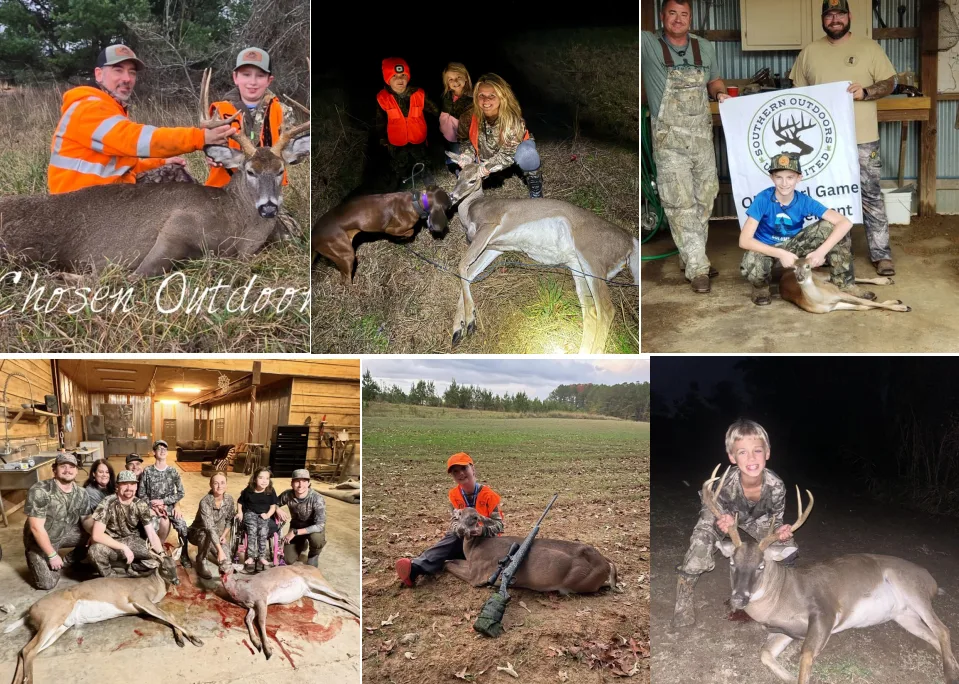
What Success Really Looks Like on a First Hunt
Research suggests that whether a child harvests an animal on the first hunt is not the only factor that shapes whether they keep hunting.
What did predict continued participation?
- whether the child felt safe
- whether they learned something new or found something interesting
- whether they enjoyed the company of their hunting companions
These three factors predicted 68% of the variance in whether youth hunted again within two years.
Before the hunt, walk through realistic scenarios with your child. “We might sit for two hours and see nothing. How would you feel about that?”
These conversations set appropriate expectations and give your child permission to feel satisfied with outcomes that do not include harvesting game.
Youth hunting organizations recommend this language: “I will consider this hunt successful if you stay safe, try your best, and tell me honestly how you feel. Whether we see any animals makes no difference to me.”
Recognize the actual wins. When your kid sits still longer than you expected, that is patience. When they start picking out animal sounds on their own, that means they are learning.
Even something as simple as handling the cold without complaining says a lot about their mindset. Point these moments out in a casual way, both during the hunt and on the drive home. Those are the things that stick.
At the end of the day, success is not just about filling a tag. If your child comes home safe, learns something about the woods, and enjoys the time spent together, that already counts for a lot.
Maybe they saw animals, maybe they did not. Maybe they got a shot opportunity, or maybe it was just a quiet sit with nothing moving.
Some first hunts end with a harvest. Many do not. What matters more is how your child feels about the experience afterward.
If they are curious, willing to go again, or at least not turned off by it, then the hunt did exactly what it needed to do.
Conclusion
Non-hunting parents do this successfully every year. It does not come down to knowing everything yourself. It is about finding a good mentor, starting simple, and not overcomplicating that first hunt.
You do not need to buy all the gear right away or plan a big trip. Focus on keeping your child safe, comfortable, and interested. Let someone experienced handle the technical side.
In the end, it is not about the harvest. If your child enjoys the day, learns something, and wants to go again, that is a successful start.

Leave a Reply