
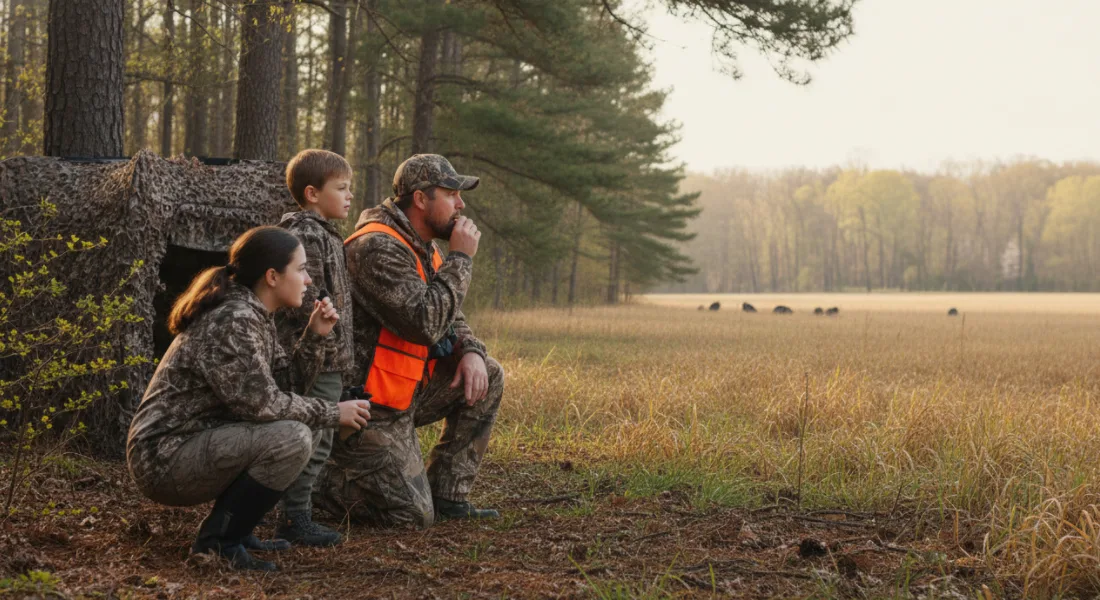
Taking a young kid on their first hunt sounds simple until you actually try to plan it. What do you go after? Where do you even start? There are so many species, seasons, and state rules to learn.
If you want that first hunt to stick, it matters what you pick. The right species, in the right state, can mean more action, more learning, and a much better chance they’ll want to go again.
Below are some of the best places and species to start, from easy small game to more challenging hunts, along with a few things to think about before you head out.
Best Starter Hunts: Rabbits and Squirrels
Why Small Game Works for Young Hunters
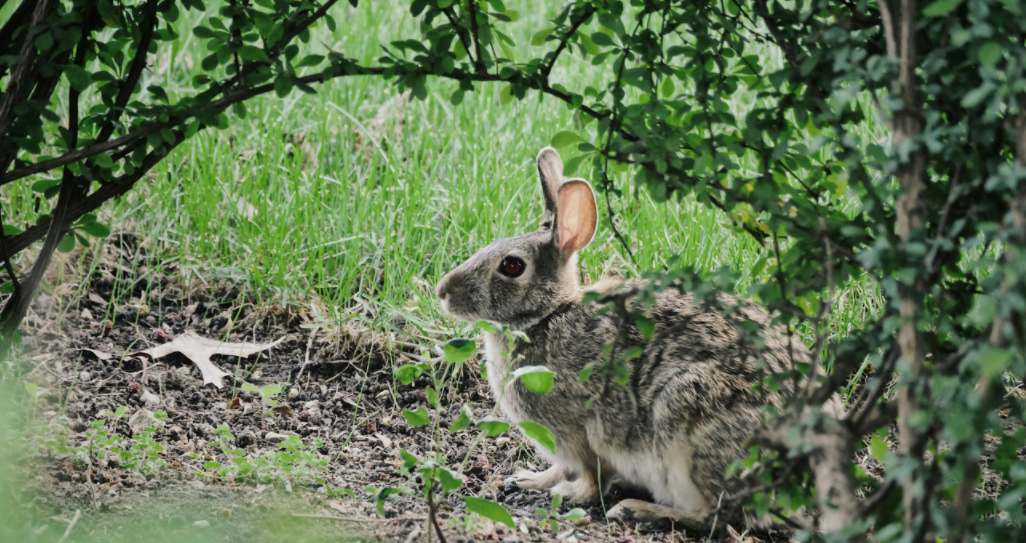
Rabbits and squirrels are genuinely the best entry point for new hunters, and that assessment is not just conventional wisdom.
These animals are abundant across nearly every region of the country, seasons tend to run from fall through late winter, and the action is frequent enough to hold a young person’s attention.
Unlike deer hunting, which can involve hours of waiting for a single opportunity, small game hunting involves movement, decision-making, and regular encounters with animals.
The mental pressure is lower as well. There is no trophy expectation, no expensive tag on the line, and a missed shot simply means another chance moments later.
Hunter education organizations frequently recommend small game as a starting platform because it reinforces basic firearm safety in a dynamic, real-world setting without the high stakes that come with big game.
Physical demands are minimal. A short morning walk through fields or woodland edges is all it takes to get started.
Best States for Youth Small Game Hunting
- Kentucky: Kentucky stands out consistently as one of the top states for youth small game hunting. The state offers a free hunting license for anyone under 15 years old, and its rabbit population across the bluegrass region and river bottomlands is genuinely strong. Youth hunt days take place several weekends each fall before the regular season opens, giving young hunters first access to prime areas.
- Louisiana: Louisiana is another top option, particularly in the northern parishes where both cottontail and swamp rabbit populations are high. Youth licenses cost between zero and five dollars, depending on residency, and there is abundant public land through the Wildlife Management Area system.
- Indiana: Indiana rounds out this list. The state runs organized free youth hunting events through its Department of Natural Resources, and squirrel populations in its southern forested counties are among the highest in the Midwest. The license fee for youth under 18 is nominal, typically under ten dollars.
What You Need and What It Costs
The gear requirements for small game hunting are simple.
A .22 rifle or a 20-gauge shotgun works well for most youth hunters, and both are widely available in youth-sized stocks designed for smaller frames.
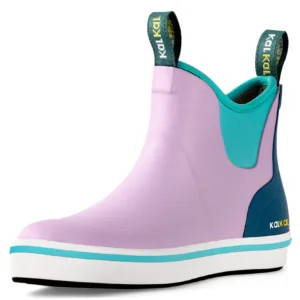
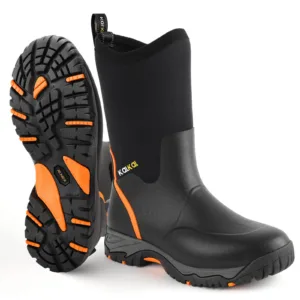
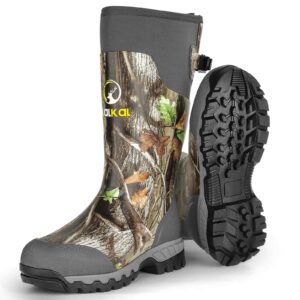
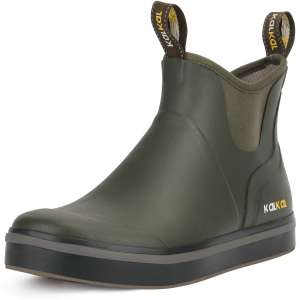
Blaze orange is mandatory in most states. A basic pair of waterproof hunting boots and layered clothing covers most weather conditions.
Total starter cost ranges from zero to around 200 dollars if a family borrows or purchases a used firearm. A state hunting license for youth typically runs zero to fifteen dollars, and ammunition is inexpensive.
This is genuinely one of the most affordable outdoor activities a family can start together.
Safety and Mentor Tips
The most important lesson to reinforce from the first day is muzzle direction. Young hunters who learn to treat every firearm as if it were loaded, even when they know it is not, build instincts that stay with them for life.
Mentors should walk beside the youth rather than behind, reinforcing safe handling at each step.
Field dressing small game is a natural teaching moment. It introduces anatomy, respect for the animal, and the practical side of hunting as a food-harvesting tradition rather than a sport focused purely on the harvest.
Mentored Hunts: Pheasant, Quail, and Grouse
Why Upland Bird Hunting Is a Natural Step Up
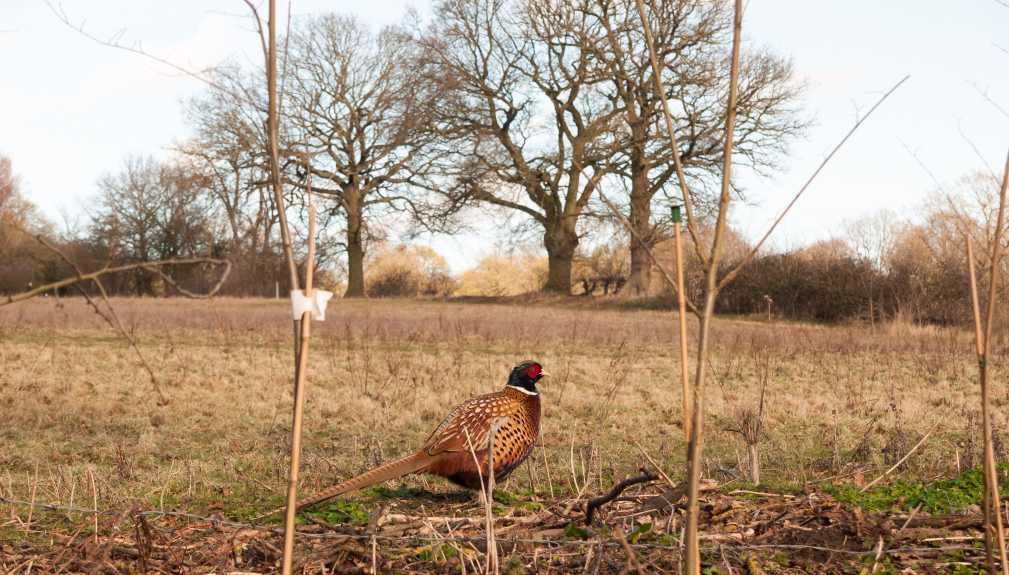
Once a young hunter is comfortable with firearm safety and basic woodsmanship, upland birds offer a meaningful challenge.
Pheasant, quail, and grouse hunts involve more walking, faster shots, and the added complexity of working with bird dogs. These are skills that take time to develop, and the mentorship component is central to success.
What to Expect in the Field
These hunts involve walking fields, hedgerows, and brushy cover. Pheasant flushes can be explosive and disorienting for a first-time bird hunter.
Quail coveys, particularly in the South, rise together in a burst that demands quick target acquisition. Grouse are arguably the most challenging of the three, holding tight in dense cover and flushing unpredictably.
Working with a trained bird dog adds another layer of educational value. Young hunters learn to read a dog’s body language, follow commands, and coordinate safe shooting zones, all skills that carry over into many other hunting activities.
Best States for Youth Upland Hunting
- North Dakota: It has among the strongest pheasant populations in the country, and its public hunting access program opens millions of acres to licensed hunters at no cost. Youth pheasant seasons often open before the general season, and hunter education is well-supported through state-affiliated mentorship programs.
- Nebraska: The state offers accessible quail in the south and pheasant across much of the central and western part of the state. There are some organizations that run structured youth days where mentors with trained dogs guide young hunters at no or low cost, making it a strong entry point even for families without their own equipment.
- South Carolina: This is one of the best states in the country for quail, with active restoration programs on private and public lands. Youth-specific hunt days are coordinated through the state wildlife agency, and guided youth quail hunts through conservation organizations are available at reduced fees.
Gear, Costs, and Legal Notes
A 20-gauge or 12-gauge shotgun sized for youth hunters is appropriate. Wearing shooting vests with shell loops and a game pouch to stay organized, and also hearing protection, is non-negotiable for extended field days.
Costs range from roughly 200 to 700 dollars, depending on whether a guided experience is part of the plan. Youth permits for upland birds run between ten and fifty dollars in most states.
Many conservation organizations cover permit costs entirely for youth participants in structured programs.
Special Youth Opportunities: Ducks and Geese
What Makes Waterfowl Hunting Different
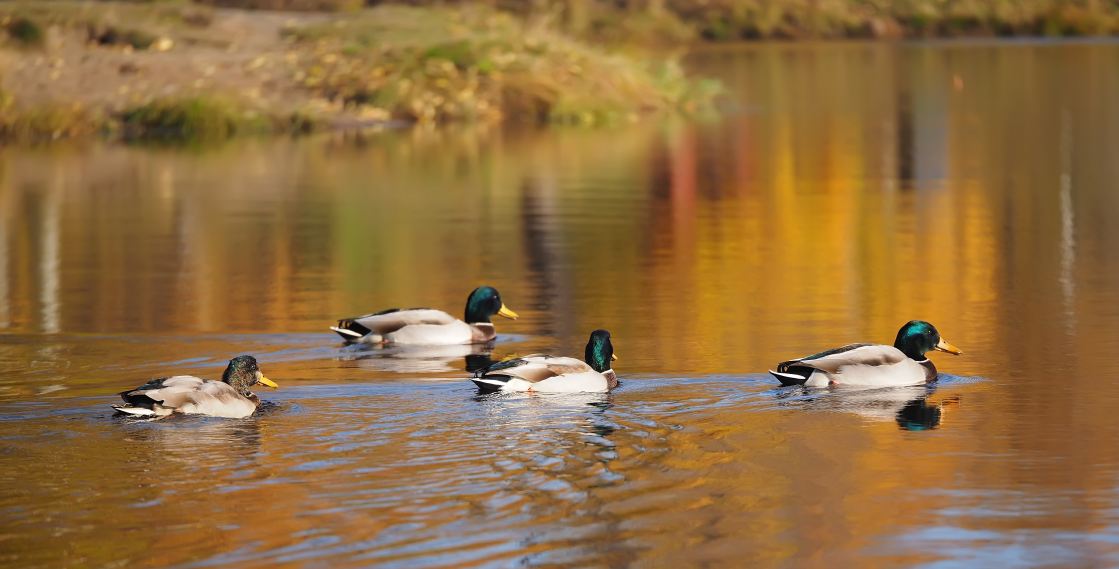
Waterfowl hunting is a different kind of experience compared to upland or small game hunting.
It involves early mornings, concealment, calling, decoy spreads, and teamwork with the people around. That kind of setup can make the first few hunts feel less intimidating.
Many states also make that first step easier with youth waterfowl seasons before the general season, with less competition to increase the chance of success.
Arkansas, California, and South Dakota offer some of the best youth-specific waterfowl access.
- Arkansas sits at the center of the Mississippi Flyway, one of the busiest migration corridors in North America. Public water access through the Arkansas Game and Fish Commission is extensive, and youth waterfowl days in February 7 – 8 are separated from general waterfowl season.
- South Dakota offers exceptional early teal hunting in its eastern wetlands during youth weekend, and the combination of public water and strong migration numbers makes it one of the most productive youth waterfowl states in the country. The season starts 14 days before the general season opens, giving young hunters a chance to get in the field earlier.
- California stands out for the Pacific Flyway, particularly for snow geese and various duck species in the Central Valley. Youth hunting programs through state wildlife areas provide guided experience and loaner equipment in some counties.
What Gear Is Needed
Waders appropriate for the youth’s size, a floatation vest for any boat or blind work near open water, and a youth-sized shotgun are the essentials.
Duck calls are fun to learn, but secondary to the experience on the first few hunts. Basic decoys add to the setup, though guided youth hunts usually provide these.
Federal HIP registration is required for all migratory bird hunting; also, hunters 16 and older require a federal Duck Stamp.
Youth under 16 are typically exempt from the Duck Stamp requirement, though state license requirements vary.
Safety Focus for Waterfowl Hunting
Cold-water safety deserves direct attention. Any youth hunting from a boat or near open water must wear a properly fitted personal flotation device without exception.
Mentors should discuss hypothermia risks and establish clear protocols before entering any watercraft. Keeping hunts short during cold weather prevents discomfort from turning into genuine danger.
Best Interactive Experience: Turkey
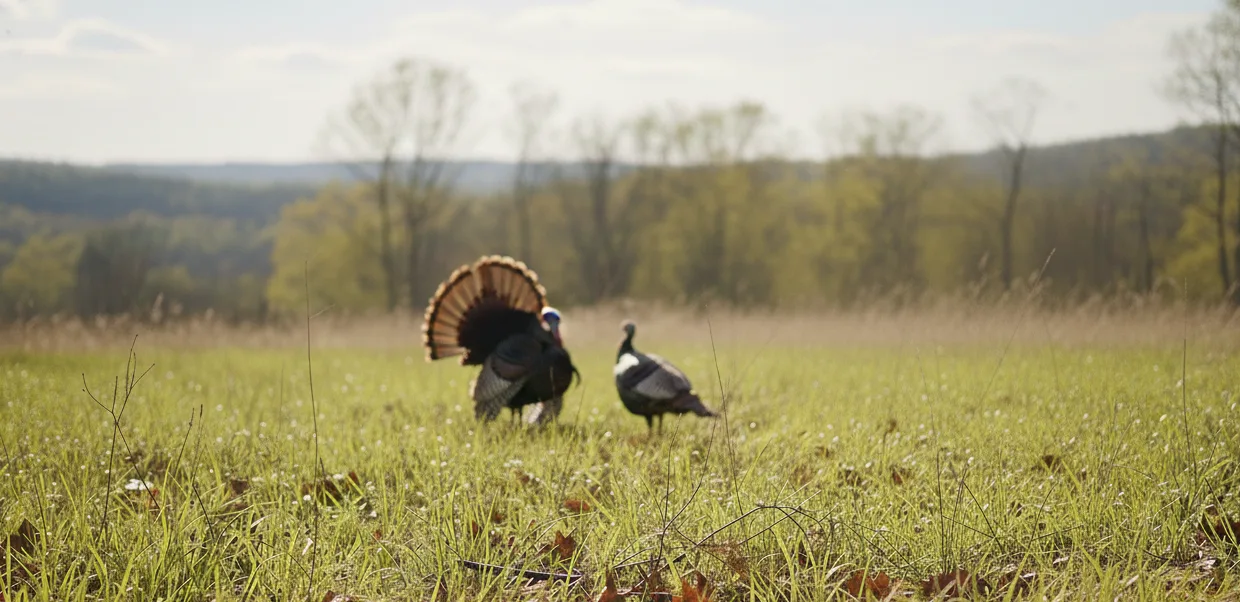
Turkey hunting combines patience, skill, and a kind of close-range drama that few other hunting experiences can match.
A gobbling tom responding to calls and approaching a blind is one of the most genuinely exciting moments in hunting, and young hunters frequently describe their first turkey hunt as their most memorable.
Spring turkey seasons run across most of the country from March through May, offering comfortable weather and full daylight hunts.
Many states offer youth-only seasons the weekend before the general opener.
- Florida offers one of the most beginner-friendly youth turkey policies in the country. Hunters under 15 years old hunt free without a license, which lowers the barrier for families just getting started. It is also the only place to hunt Osceola turkey, a subspecies found nowhere else, which adds a unique draw to the experience.
- Nebraska gives youth hunters a much longer window than most states. For example, the 2026 spring youth shotgun season runs from April 11 through May 31, giving kids plenty of time to get in the field and learn at their own pace. Tag fees for youth are minimal, often under ten dollars, which makes it easy to try without a big upfront investment.
- Kansas offers something a little different. Depending on where you hunt, you might encounter Eastern, Rio Grande, or even hybrid birds. The longer season and flexible access in many areas give beginners more chances.
Youth turkey hunting requires a shotgun loaded with turkey-specific shells, a quality turkey call, full camouflage, including a face covering, and a portable blind.
Total costs, including tags, run from around twenty to sixty dollars. Adult supervision is required for youth below a certain age, which varies by state.
Best Challenging Hunt: Deer
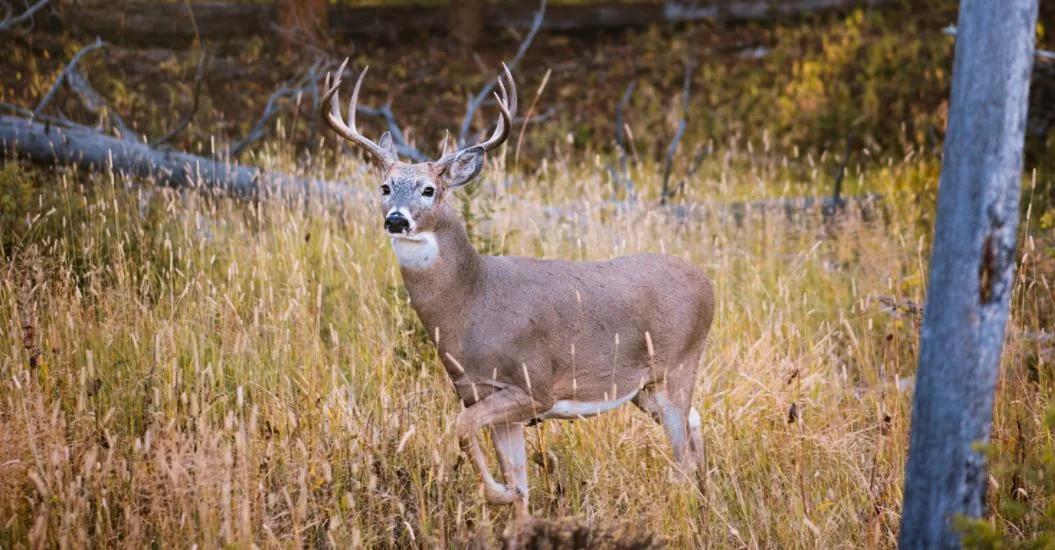
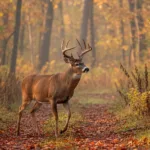
Deer hunting is where many mentors want to start young hunters because of its prestige, but the reality is that deer hunting demands significant patience, gear investment, and tolerance for uncertainty.
That said, for a youth who has some foundational experience, a deer hunt can become an unforgettable memory.
- Arkansas does not require hunting licenses for youth between 6 and 15 years old. The state has strong public land access through its wildlife management areas, and mentored youth hunts are organized through the Arkansas Game and Fish Commission each fall.
- South Carolina also allows youth under 16 to hunt without a license. The state runs youth deer hunts on select wildlife management areas, and some of these programs provide guided experiences along with lodging and meals. For many families, this kind of support can make the first hunt much easier to manage. Deer populations are high, and success rates for youth hunts are strong.
- Indiana offers free youth deer hunting events in both archery and firearm seasons, with youth licenses costing very little. The state’s deer population is substantial, and access to public land through state forests and DNR properties is wide.
Gear for deer hunting ranges from around 100 dollars for a basic setup to well over a thousand dollars, depending on whether youth archery equipment, optics, or travel is involved.
Youth deer tags run from zero to thirty dollars in most states. Hunter education is required for all teens, and many states require supervision for youth under a specific age.
Year-Round Hunt: Feral Hogs
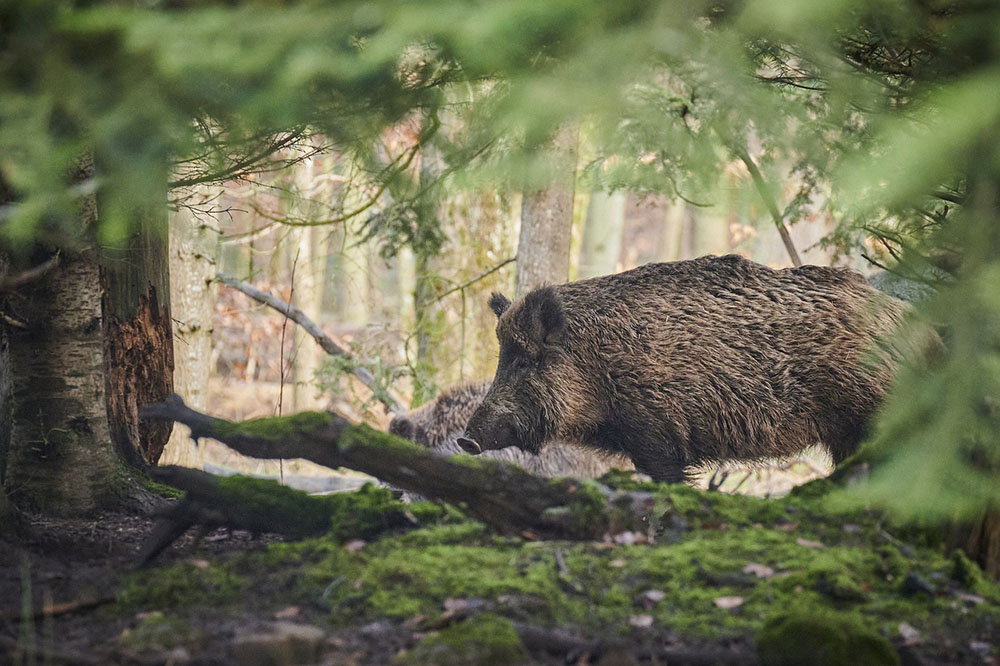
Feral hogs occupy a unique position in American wildlife management. They are not a native species, cause significant agricultural and ecological damage, and are managed as a nuisance rather than a conservation resource.
As a result, hunting regulations are among the most permissive for any species in the country.
Texas, Louisiana, and Oklahoma all have high feral hog populations, large amounts of accessible private and public land, and permit costs that are typically under ten dollars.
In Texas, landowners actively welcome hunters because hog damage to crops and pasture is genuinely serious.
Feral hog hunting teaches advanced skills, including tracking, shot placement on a larger animal, and field dressing technique on an animal that requires more physical effort than small game
It is not appropriate as a first hunt, but for a young hunter with some experience, it provides a real-world challenge.
Night hunting is legal in some states with the appropriate permit, but this adds complexity and safety demands that require careful evaluation by the supervising adult.
Group hunts with experienced adults present are the appropriate method for youth participants.
Conclusion
The best youth hunt is the one that matches where a young person actually is, not where an adult thinks they should be. Starting with:
- Rabbits and squirrels build real skills in a low-pressure, high-activity environment.
- Upland birds and waterfowl add layers of technique, teamwork, and mentorship.
- Turkey and deer introduce patience and planning.
- Feral hog hunting is an unstructured, year-round option for youth who are ready for something more demanding.
States like Arkansas, Indiana, Kentucky, and Florida have built genuinely youth-friendly licensing structures, often making the first few years completely free.
The most important investment is not in gear or licenses. It is in the quality of the mentorship and the patience to let young hunters develop at their own pace. Want to take kids into the outdoors, but you don’t hunt? No worries, check this out: Youth Hunting Tips for Non-Hunter Parents.
Leave a Reply