
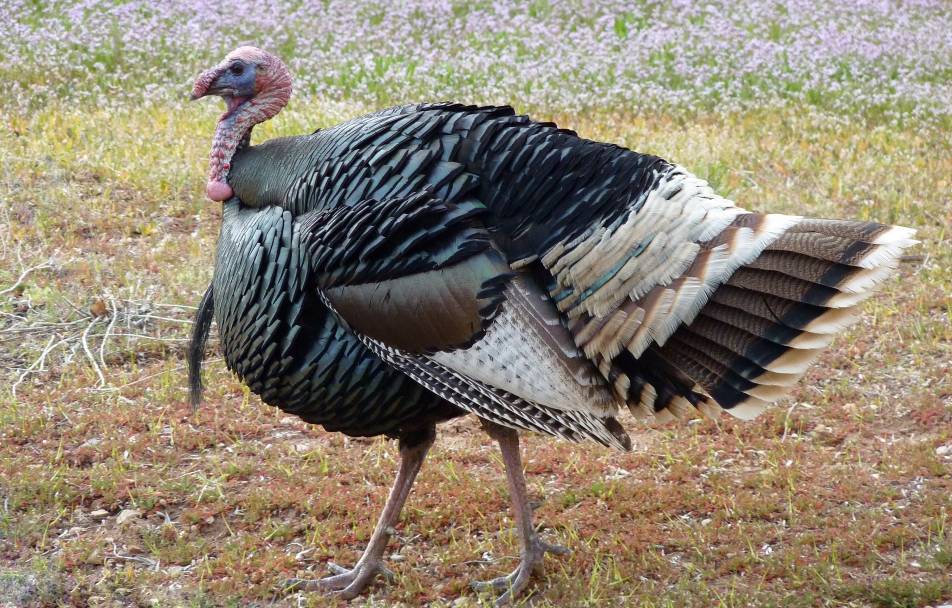
North America is home to wild turkeys that are good at adapting to their surroundings, benefiting both nature and hunters. In Georgia, wild turkeys thrive in various environments and landscapes.
Here we will talk about the populations of wild turkeys in Georgia, along with the locations they live in, their natural breeding habits, and recommended hunting practices for successful hunts while protecting their future numbers.
Overview of Wild Turkeys in Georgia
Wild turkeys have lived in Georgia’s forests for many years thanks to the state’s plentiful natural resources. The species declined severely because people took too many birds and destroyed their natural homes in the 20th century.
However, wild turkey recovery succeeded through years of conservation work and targeted hunting controls.
Current Population of Georgia Wild Turkeys
State wildlife surveys show about 250,000 to 300,000 wild turkeys now live in Georgia. These numbers show better results than previous historic drops, but show minor changes in some specific areas.
Wildlife specialists believe the decline in turkey populations is due to habitat fragmentation, animal predation, and changes in the environment.
Factors Influencing Population Changes
The population dynamics of turkeys in Georgia are shaped by multiple factors:
- Habitat Availability: More people living in cities take up the forest areas where wild turkeys need to eat and rest. Habitat fragmentation stops turkeys from moving between different groups, which makes their species more genetically weak and vulnerable to environmental changes.
- Predation: Several predator species like raccoons, coyotes, bobcats, and feral hogs now create major hazards for wild turkey eggs, poults, and nesting hens. These predators affect adult turkeys so much that they significantly reduce their chances of reproducing successfully.
- Weather Conditions: Extreme winter weather and delayed frost combined with too much rain in spring hurt the survival of baby turkeys and made it harder for them to find the food they needed at the start of their life.
- Hunting Pressure: Although hunting in Georgia is regulated, some areas still experience overhunting, which reduces the number of mature gobblers and impacts their breeding success. Following all hunting rules and being responsible helps us protect turkey populations.
- Disease Outbreaks: When turkey populations are tightly packed, it becomes easier for diseases like the pox virus and blackhead disease to spread. This can reduce their numbers unless effective measures are taken to control and manage these issues.
What Kind of Turkeys Are in Georgia?
Georgia is home to the Eastern wild turkey (Meleagris gallopavo silvestris), the most widespread subspecies of wild turkey in the United States.
Characteristics of Eastern Wild Turkeys
Size
In North America, male turkeys, known as gobblers, weigh between 18 and 25 pounds and are one of the biggest wild birds. They have wide feet that can help them move quickly over short distances to escape hunters.
Female turkeys are smaller, with sizes of 8–12 pounds, but are agile and good at building and caring for their nests, and keep the young species alive.
Coloration
Eastern wild turkeys have patterned feathers that help them blend into their environment. Male eastern wild turkeys shine in the sunlight with their bronze and copper feathers.
Gobblers also display their dominance by growing beard feathers on their chest, which can be up to 12 inches long.
Behavior
Wild turkeys are very adaptable to food. They eat seeds, berries, insects, and small amphibians. Based on this, you can design a diverse food plot that provides seeds, fruit-bearing shrubs, and insect-friendly cover to attract and feed turkey on your area.
Male turkeys use loud gobbles to defend their territory and attract mates from over a mile away. Their vocalizations, including clucks and yelps, help them communicate and interact within their flock groups.
Where Do Wild Turkeys Live in Georgia?
Georgia turkeys live throughout almost 90% of the land, except in the areas of the Appalachian Mountain range and the coastal lowlands.
Their populations vary across Georgia because of changes in their habitats and human activities. The success of the turkey population increase depends on how well we manage and protect the land.
1. Regions with High Turkey Populations
- North Georgia Mountains: This region has a great mix of forests for safe roosting and open spaces for finding food. Wild turkeys here can eat a variety of foods like acorns, berries, and insects throughout the year.
- Piedmont Region: The rolling hills of the Piedmont, with their farm fields and trees, provide an ideal home for wild turkeys. They can build their nests in the woods and find food in the nearby agricultural fields.
- Coastal Plains: This area has a mix of pine forests, swamps, and farmland that offer lots of food and water. With fewer people living nearby, the wild turkey flocks are less disturbed by human activity.
2. Preferred Habitats for Georgia Turkeys
Wild turkeys live in many different environments because they need both protection and access to good food and water. Key habitats include:
- Hardwood Forests: In autumn and winter, turkeys rely on acorns from oak trees, so they need mature hardwood forests to survive.
- Pine Plantations: Turkeys seek shelter to stay safe from predators, especially during the early morning hours. Managed pine forests provide both young and mature plants, along with bugs, which are good food sources for wild turkeys.
- Agricultural Fields: Turkeys are attracted to farm fields that grow corn, soybeans, and wheat. These crops provide essential nutrition during their active growth. However, the spaces between the fields can also be risky, as predators may also come to these areas, which threaten both nests and baby turkeys.
- Riparian Zones: Areas near water bodies are a perfect location for turkey nesting because they have thick vegetation and insects, and provide a steady water supply and easy access to food.
When Is Georgia’s Turkey Breeding Season?
Timeline of Breeding Season
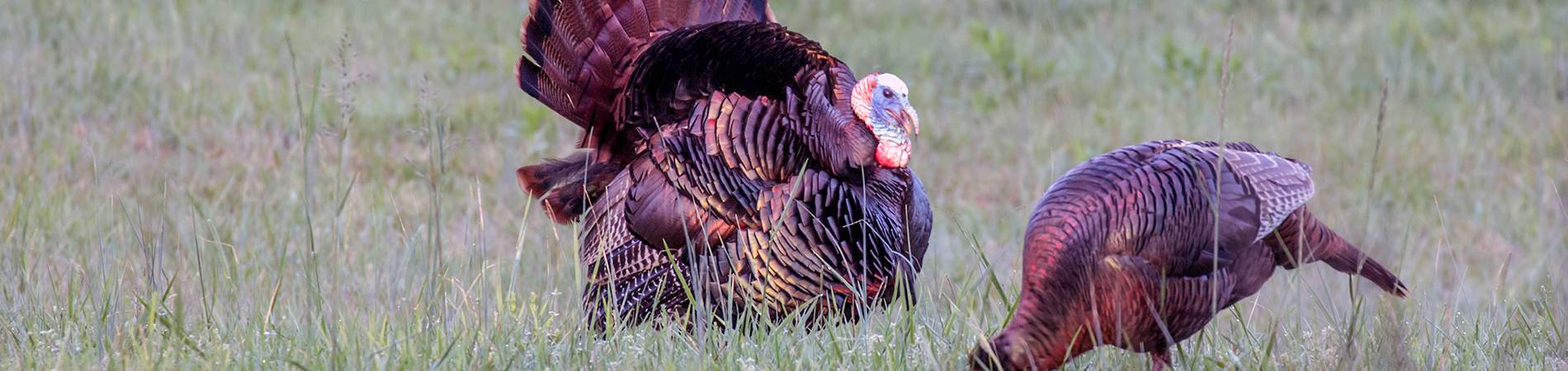
Turkey breeding approaches its peak in April. Gobblers use sounds to attract hens while showing off their feathers through strutting displays.
During the nesting season, more turkeys become active throughout the state as they create new generations.
Turkey Mating Behavior and Locations
Wild turkey eggs require steady warmth and protection to grow successfully in their natural nesting areas because hens need to lay 10 to 12 eggs before brooding starts.
They stay in the same hunting locations and pick burrows for less visible hiding from predators. During their first weeks of life, turkeys teach their young how to find food and avoid predators through close protection.
Their nesting sites are usually located in:
- Tall grass or brushy areas.
- The edges of forests or fields.
- Near water sources.
After hatching, poults stay with hens for about 28 days before leaving to learn essential survival skills.
Wild Turkey Hunting in Georgia
People in Georgia love wild turkey hunting. It lets nature enthusiasts connect with the outdoors plus helps wildlife management efforts.
Regulations about hunting seasons and methods help the state preserve wild turkey populations plus keep them healthy.
Before going for a turkey hunt, here are some things you should know:
When is Turkey Season in Georgia?
- Spring Season
Georgia hunters can pursue spring turkeys between late March and mid-May. Male turkeys show strong breeding activity during this period, which makes it easier than other times to spot and attract them through calls.
Most hunters choose this period for turkey hunting because it gives them the best chance to find the birds right where they live.
In 2026, the Georgia spring turkey seasons run from April 4 to May 15, 2026 for public land hunting. Those hunting on private land can enjoy the season a bit earlier, starting March 28 and continuing through May 15, 2026.
- Youth Season
In March, young hunters can hunt with adult supervisors during a dedicated weekend. It helps young people develop the right ways to hunt and their interest in protecting our wildlife.
Young hunters will have their special opportunity with a weekend season from March 21 to 22, 2026.
- Special Management Zones
Certain public lands or wildlife management areas may have specific dates or quotas for turkey hunting, so it’s essential to check regulations for the area you plan to hunt.
Notice that there is no fall turkey season available in Georgia. The state mainly focuses on spring hunting and manages to protect the turkey population in other seasons.
How Many Turkeys Can You Kill in Georgia?
In Georgia, hunters can harvest up to two gobblers per season, with no more than one taken in a single day. Public land rules are more restrictive; only one gobbler is allowed per season for the whole season.
For youth hunters under 16 and hunters with mobility, the bag limit is the same as the general season. However, young hunters do not need a hunting license and a big game license.
Tips for Successful Turkey Hunting
- Scout the Area: Scouting the area before the start of the season is key. Search for signs of turkey activity, including tracks, droppings, feathers, and scratch marks on the ground. Finding roosting sites and feeding areas increases the chances of success.
- Master Turkey Calls: Learn how to use a slate call, or even a diaphragm call to elicit the responses of hen yelps, clucks, and purrs. Incorporating different styles can help get even the wariest gobblers.
- Stay Hidden: Turkeys have fantastic eyesight. Therefore, one needs to stay hidden. Wear clothing that blends with your surroundings and hide behind hunting blinds or natural cover.
- Timing is everything: The first hours of the morning, especially near dawn, are the best time for turkey hunting. Gobblers are also most vocal at this time, so it will not be difficult to find and lure them.
- Be Patient: Patience is a key to success, as turkeys can be unpredictable. Patiently wait and remain ready for slight moves or sounds that may indicate turkey activity.
Responsible Hunting Practices and Conservation Efforts
- Maintain Regulations: Georgia’s DNR has designated strict bag limits and season dates to ensure the turkey number is sustainable. Hunters should follow the rules.
- Report Your Harvests: It is essential to accurately report your harvest through the Georgia Game Check system for population trend monitoring and management decision-making.
- Don’t Hunt Nesting Hens: Ethical hunters avoid hunting hens during the nesting season since they are key to the survival of future turkey generations.
- Support Conservation Programs: Organizations such as the National Wild Turkey Federation provide critical funding to habitat restoration, research, and education programs. Hunters can join these efforts to ensure a sustainable future for wild turkeys.
- Practice Safety and Respect: Always know your target and what is beyond it. Respect private property rights, and work with landowners to help preserve turkey habitats.
Conclusion
Georgia wild turkeys play an important role in the state’s wildlife and outdoor traditions. Whether you’re planning a turkey hunt or simply curious about local wildlife, learning the basics of the Georgia turkey makes it easier to enjoy and respect this species.
From their habitats and breeding season to hunting opportunities, understanding how these birds live helps hunters be more successful. The gear, shot placement, and post-harvest steps are all summarized in this Complete Turkey Hunting Guide.
Learn more about:
- Spring Turkey Tag Applications, Draws & Leftover
- Guide On Hunting With Turkey Decoys
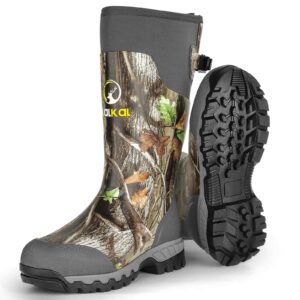
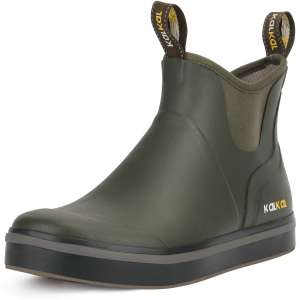
- 7 Best Turkey Hunting Boots To Gear Up
- Guide to Successful Evening Turkey Hunting
- How To Plan Your Wyoming Turkey Hunting

Leave a Reply