
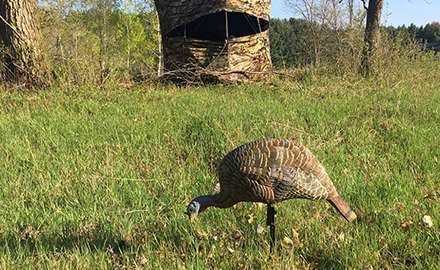
Turkey decoy is an extremely helpful and effective tool to aid hunters in a successful hunt. Decoys can be effective, but they can also be tricky to use, so you should learn where, when, and how to set up a turkey decoy in a natural, strategic way to attract birds.
The following guide will walk you through simple, proven turkey decoy setups, help you adjust based on season, pressure, and terrain, and then get the most out of your turkey decoys.
Types of Turkey Decoys
In the decoy collection, you will find three different kinds of turkeys: the jake, the hen, and the tom. These decoys have their unique features, which will assist you in different hunting scenarios and are capable of getting you better results.
Tom Turkey Decoy
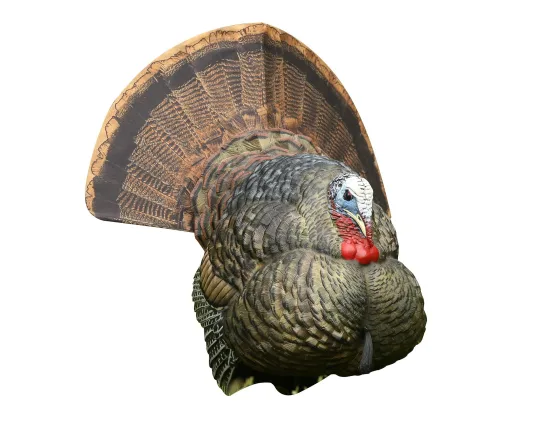
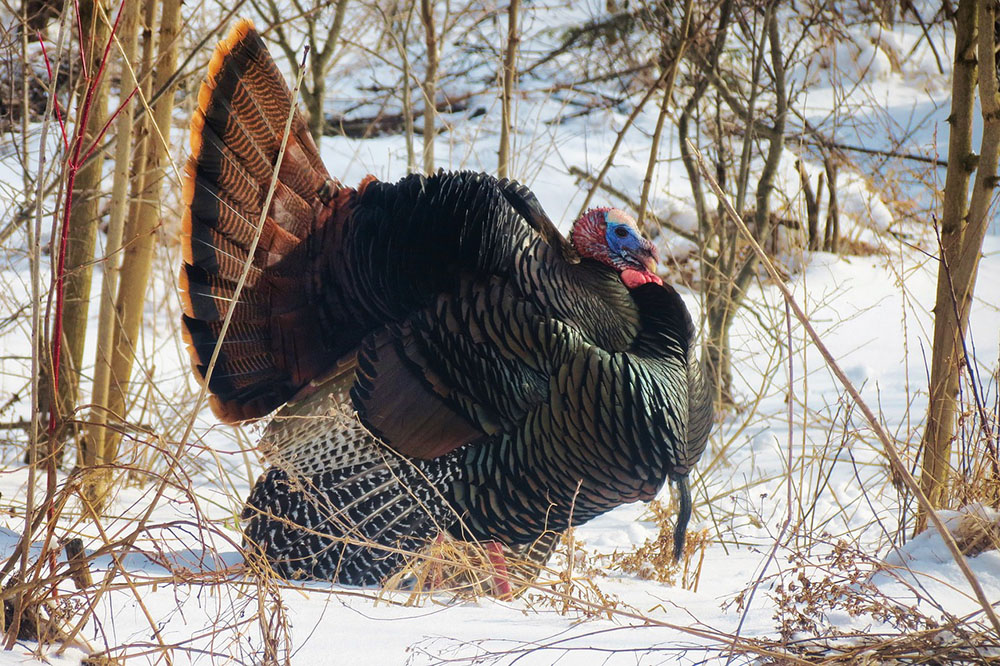
A gobbler or a Tom is adult male turkey. Tom turkey decoys are designed to resemble male turkeys, which is the most effective decoy for attracting the largest and best turkeys in the area.
They’ve got a full-on strut going on with puffed-out chests and fanned tail feathers, and they’re often super realistic in color!
These decoys are especially useful during the spring when the big tom turkeys are out there looking for love. See, they’ll see the decoy and think it’s another tom, and they’ll get all competitive and stuff. It’s like, “Hey, I’m here! Come check me out!” And that’s when the magic happens!
Jake Turkey Decoy
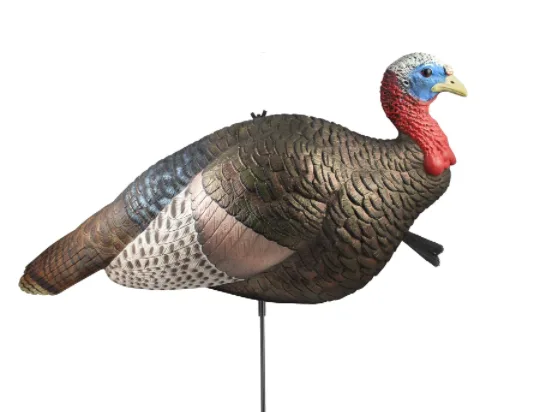
Jake decoys represent younger male turkeys that haven’t reached full maturity yet. They look a bit different from adult toms, with shorter beards and less prominent tail feathers.
During the early and mid-spring hunting seasons, jake decoys can be super effective because dominant gobblers might be hesitant to challenge a full-grown tom.
By using a jake decoy, you can make it look like there’s a less threatening turkey around, which might entice a dominant gobbler to come closer and show off its stuff. It’s like a little trick to help you get closer to your target!
Hen Turkey Decoy
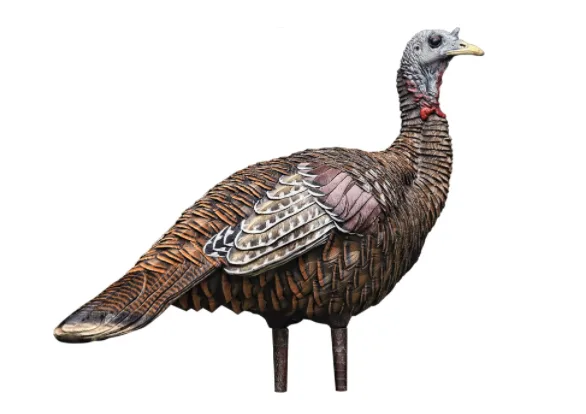
Hens are female turkeys. During mating season, hen turkey decoys play a big role in attracting gobblers. These decoys act like real hens, showing off relaxed, feeding, or breeding poses.
Using hen decoys can help bring in gobblers looking for partners, especially when paired with a tom or jake decoy. This creates a more realistic scene that’s sure to catch the attention of curious gobblers!
When it comes to using turkey decoys, it’s crucial to tailor your setup to the specific hunting situation. Experimenting with different combo decoys, like a tom with hens or multiple jakes, can help you figure out how turkeys in your area respond.
And, placing decoys in a strategic spot, just within sight but not too close to your hiding spot, can help create a realistic and safe setup that will get those turkeys coming to you!
How To Choose The Right Turkey Decoys?
Here are some factors that you should consider when choosing the right turkey decoys for your needs.
Turkey Species
Firstly, you need to decide what kind of turkey you are going to hunt. Depending on the species of turkey you are hunting, different types of decoys will respond differently to them.
You should pick a turkey lure that matches the size, color, and sound of the turkeys you wish to attract by using it.
Terrain and Habitat
You should take into account the terrain and habitat of the area you will be hunting in before you make your decision. The effectiveness of different decoys depends on the environment in which they are placed.
Visibility
The next thing you will need to consider is the visibility of your decoy in the terrain. The decoy you choose should be able to be seen clearly from a distance, but at the same time, you don’t want it to be too flashy or overly conspicuous in the background.
The best decoys for turkey hunting are the ones that are natural in appearance and blend in well with their surroundings.
Durability
Also, make sure your decoy is made from durable materials so that it can withstand various weather conditions, such as rain and snow, and you can keep it for a long time, even after putting it outside.
Buying a high-quality one will ensure your decoy lasts through many seasons. This is another win for outdoorsmen.
Easy to set up
Lastly, choosing a decoy that is both easy to carry and set up quickly is also extremely important. Choose decoys that come with user-friendly features such as quick-attach bases or built-in stakes.
This will not only save you time in the field but also reduce the risk of spooking nearby turkeys while you are trying to set things up.
Lightweight decoys are also a good choice. You can carry them easily to the field without adding too much weight to your gear.
Try to place it in your hunting backpack or secure the decoys with straps. When carrying your decoys, it’s important to wear blaze orange on public land for safety.
How To Set Up Your Turkey Decoys?
Once you have the right decoys, you need to set them up in the right way.
Place turkey decoys in the right locations so they can be used effectively. Grassy areas with a view of the surrounding terrain are good places to place decoys to attract turkeys.
In addition, make sure your decoys are close enough to your blind or hide to allow you to get a good shot, yet far enough away to prevent the turkeys from spooking.
There are three different types of positions for placing turkey decoys: walking/strutting, mating, and feeding.
Walking Turkey Decoy Setup
- Find a realistic walking turkey decoy that looks and moves like a real turkey.
- Place it in an open area, like a field or clearing, within sight of your hunting spot.
- Make sure the decoy is facing your position to give the illusion of movement and draw the turkeys’ attention.
- Don’t forget to leave enough space around the decoy for the turkeys to feel comfortable approaching.
- You could also place it near a natural feature like a fallen log or brush pile to make it look even more realistic and give it some cover.
Mating Turkey Decoy Setup
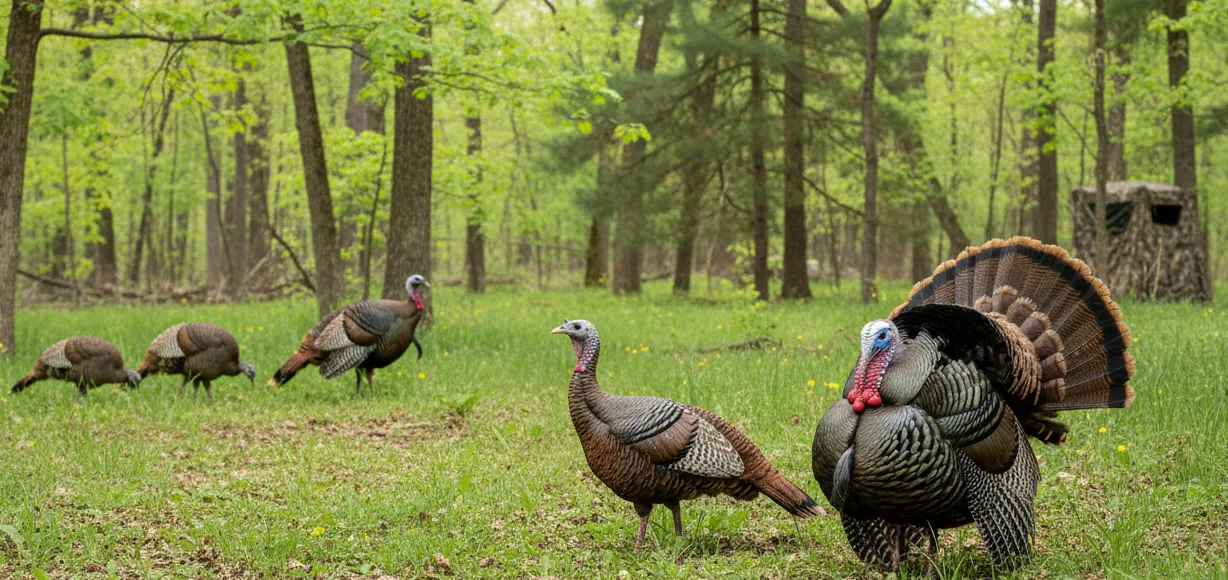
A mating setup would consist of a hen and a tom, with the tom standing behind the hen, to simulate a mating position.
- Use a breeding or mating turkey decoy. You’ll need a hen decoy in a receptive or breeding position, and a tom decoy in a full-strut position.
- Place them in an open area where turkeys can see them, and make sure the hen is positioned close to the tom, like he’s courting her.
- Face the decoys towards your hunting location, so it looks like they’re getting ready to breed.
- Add some extra hen decoys around the mating pair to make it look even more realistic. Trust us, this will help draw in those curious turkeys.
Feeding Turkey Decoy Setup
- Find a spot with some natural food sources, like a field with seeds or a feeding area.
- Place a fake turkey decoy in a relaxed position, with its head down and chowing down on some grub. Make sure it’s in a clear area where turkeys can easily spot it.
- Next, scatter some smaller feeding decoys around the main decoy to make it look like a whole flock of turkeys is feasting. This will make the real turkeys think there’s a ton of food around, and they’ll come running.
Practical Tips For Hunting Turkey With Decoys
Using decoys is one of the fastest ways to attract a gobbler into a close-range opportunity. But how many decoys to use, where to set them up, and when not to use decoys all depend on season, pressure and your weapon. Here’s a simple, actionable guide.
What Turkey Decoy to Use in Spring and Fall?
- Spring Turkey Season: In spring, it is recommended to use a non-threatening jake decoy paired with a hen. A submissive-looking jake next to a hen can stir up jealousy or curiosity in dominant toms, making it a great choice for this time of year.
- Fall Turkey Season: For late-season turkey decoy setup, the strategy changes a bit. When hunting in wide-open fields, a single feeding hen or a low-strut jake decoy is effective. After heavy hunting pressure on public land, birds are wary of loud, flashy decoys.
Always keep a small “utility” decoy, like a feeding hen or a quarter-strut jake, in your pack. This way, you can quickly set up a realistic scene anywhere.
How Many Decoys Do You Need?
There’s no certain number when it comes to how many decoys to use. However, remember that don’t place too many decoys because large spreads seem unnatural. Turkeys don’t always travel in large groups during breeding season.
On private or low-pressure land, a simple setup with two decoys, like a hen and a jake, works well for many hunters.
However, on heavily pressured public land, a single lifelike hen often works the best. Too many decoys may look unnatural and scare off birds.
Try a “hen only” strategy combined with a “stealthy hen placement” technique. Start with one hen, and if a bird hangs back around 40 yards, you can place a second hen slightly downwind to draw it within your shooting range.
How to Place Turkey Decoys?
When setting up decoys, avoid placing them directly in front of you. Instead, position them slightly to the right or left of your blind.
This will force birds to expose their sides to you for a better shot. And, experienced hunters will recommend placing decoys off to one side to ensure safety and ease of movement when swinging your gun.
If you’re near a tree line or field edge, think about the likely path a turkey will take when it approaches. Adjust the direction of the decoys so that the birds will face the throat or neck shot zone. This way, you’ll maximize your chances of a successful shot.
How Far From To Set Decoys From Blind?
A good rule of thumb is to place your decoys 20 to 40 yards away from your hunting spot. This distance is safe and effective for shotguns, allowing birds to come in close.
For bowhunters, it’s better to get the decoys closer, usually 15 to 25 yards, depending on your comfortable shot distance. With this setup, you can draw your bow without spooking the birds. Many archers prefer this range for better chances of a clean shot.
If there might be other hunters nearby, remember to set your decoys off the main trail and at certain angles. This way, if someone takes a shot at the decoy, you’ll stay out of the line of fire.
Common Questions About Turkey Decoy Hunting
What Turkey Decoys Do I Need?
How Many Turkey Decoys Do You Need?
Are Turkey Decoys Necessary?
When Not to Use Turkey Decoys?
How to Place Turkey Decoys?
What Are the Best Turkey Decoys?
Can You Leave Turkey Decoys on Public Land?
How Far Away to Set a Turkey Decoy?
Sum Up
A key component of your complete turkey hunting guide is to effectively set up decoys. After you know how to properly use your turkey decoys, you’re one step closer to your successful hunt!
The above tips will assist you in using and setting up your turkey decoys effectively and dramatically increase your chances of taking down a gobbler.
Leave a Reply