
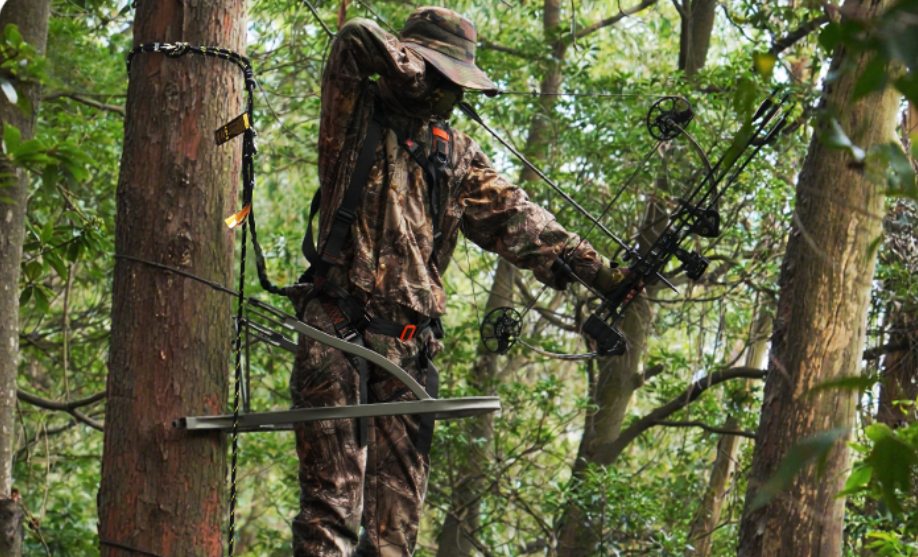
Hang-on tree stands are popular with hunters as they are lightweight and flexible. They can be placed in hard-to-reach spots, unlike ladder or climber stands, which it is easy to place. These stands have a greater view diagram and better cover, which makes them ideal to use when bow and rifle hunting.
Yet, their improper use may cause hazardous accidents. It is most important to know how to safely assemble your stand to avoid injuries. The guide will discuss the correct installation, what equipment is needed, what pitfalls to keep in mind, and how to hunt efficiently to remain safe.
Should You Use a Hang-On Stand?
A hang-on stand is a type of hunting platform that attaches to a tree using straps or chains. It is compact, lightweight, and easy to carry into the woods. Unlike ladder stands or climbing stands, it does not include a built-in ladder.
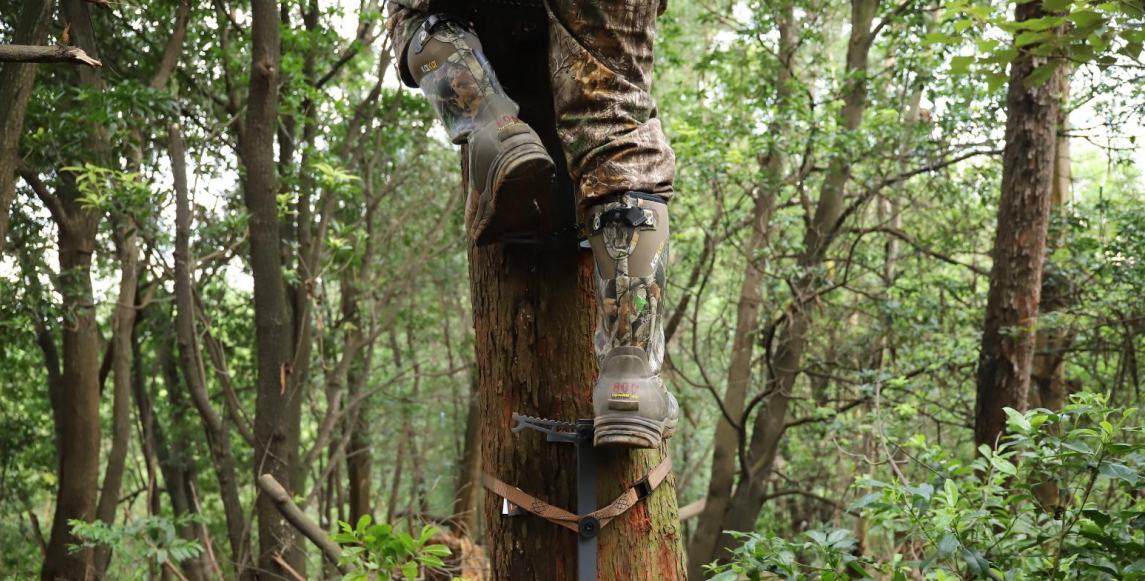
Hunters typically use climbing sticks or step aids to reach the stand. Hang-on stands are popular because they offer flexibility in stand placement.
How Is It Different From Other Stands?
Compared to ladder stands, hang-on stands (lock-on stands) are easier to transport and set up in dense or uneven terrain. Ladder stands are heavier and require more effort to install.
Climbing stands need a straight, branch-free tree, while hang-on stands work on most trees, even those with branches. This makes them more versatile for hunters who want multiple stand locations.
Advantages of Using a Hang-On Stand
Hang-on stands provide several benefits:
- Stealth and Mobility: They are quiet to set up and easy to move between locations.
- Better Concealment: You can place them higher and in thicker cover, giving you an advantage over wary game.
- Affordable and Durable: Most hang-on stands are budget-friendly and last for years with proper care.
- Flexibility: You can customize your setup with different climbing aids and accessories.
Common Hang-On Stand Mistakes To Avoid
There are different kinds of mistakes that hunters make when using a hang-on stand, but the below are a few most common ones.
1. Skipping Safety Gear
One of the most common mistakes is not using a full-body harness or treestand safety rope. Hunters often think short climbs are safe, but most accidents happen during climbing. Always secure yourself from the moment you leave the ground.
2. Improper Installation
Failing to attach the stand correctly can cause it to shift or fall. Many hunters rush to set up and skip checking straps or chains. Always ensure the stand is level and tightly secured to the tree before use.
3. Poor Tree Selection
Choosing a weak or unhealthy tree is a big risk. Dead or rotten trees can break under the weight. Always pick a solid, live tree that can support you and your gear.
4. Climbing Carelessly
Using unsafe climbing methods or skipping climbing sticks can lead to falls. Never rely on branches alone. Use proper climbing aids and maintain three points of contact at all times.
5. Ignoring Regular Checks
Many hunters reuse stands without inspection. Worn straps, rusted chains, and loose bolts can fail during the hunt. Always check your stand before each season and before every use.
How to Secure a Hang-On Stand: Step-by-Step Guide
Using a hang-on tree stand offers flexibility and stealth, but safety must come first. Improper setup is one of the main causes of hunting accidents.
Follow this step-by-step guide to secure your hang-on stand properly and avoid risks in the field.
1. Essential Safety Gear for Setup
Before you start climbing, gather all the necessary safety equipment. These tools will protect you during installation and while hunting.
- Full-Body Harness: A safety harness is non-negotiable. It keeps you secured to the tree at all times.
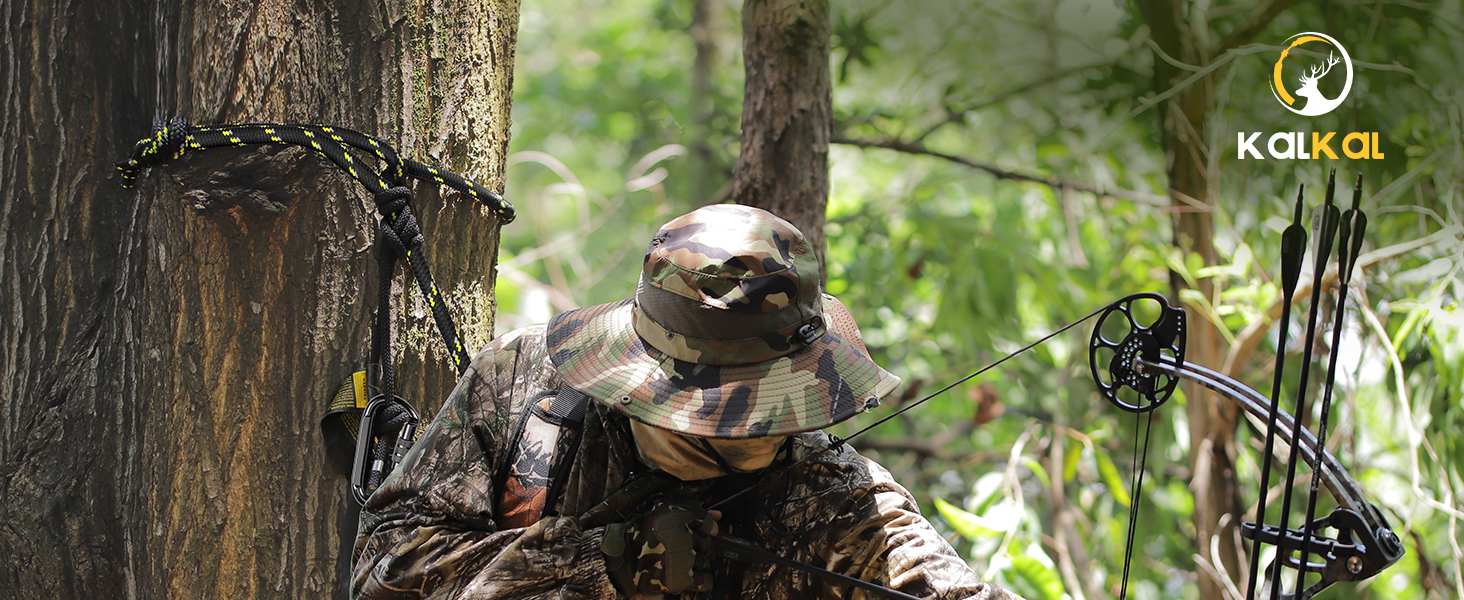
- Lineman’s Rope: This rope allows you to remain attached to the tree while hanging the stand.
- Tree Strap and Tether: These are part of your harness system for staying connected once you’re in the stand.
- Safety Lifeline: A rope that runs from the base of the tree to above the stand. It provides continuous protection when ascending and descending.
- Carabiners and Prusik Knots: These help you adjust ropes and stay safely connected.
- Climbing Aids: Use climbing sticks, step aiders, or ladders. Never climb using tree branches. Branches can break and cause falls.
2. Preparation Before Installation
Preparation is key to a safe and successful setup. Start by selecting the right tree.
Choose a healthy tree with no signs of disease or rot. Avoid dead trees or those with hollow trunks. A solid tree provides maximum stability for your stand.
Next, check the surrounding area. Make sure there is enough cover for concealment, but clear out small obstacles that could block the stand placement. Remove loose bark where the stand will contact the tree to ensure a firm grip.
Organize your gear before you climb. Keep straps, ratchets, and ropes accessible to avoid unnecessary trips up and down the tree.
3. Securing Methods for the Stand
Proper securing is the most important step. If the stand is not tightly attached, it can shift or fall.
The most common securing methods are:
- Ratchet Straps: Tighten them until the stand feels solid. Double-check for slack and re-tighten as needed.
- Chains: Some stands come with chains for heavy-duty security. Make sure they are rust-free and strong.
- Double-Securing: Use both straps and chains when possible for added stability.
4. Proper Methods for Climbing
Climbing is when most accidents happen. Never climb without being connected to the tree. Attach your lineman’s belt or lifeline before leaving the ground. This keeps you secure if you slip.
Follow these basic rules:
- Use Climbing Aids: Climbing sticks or ladders should be installed first. Test each step before putting full weight on it.
- Three Points of Contact: Keep two hands and one foot, or two feet and one hand, on a solid surface at all times.
- Go Slow: Do not rush. Secure each stick and connection as you climb.
5. Checking Safety Before Use
Your setup isn’t complete until you double-check everything.
- Ensure straps and chains are tight and secure.
- Make sure the platform is stable and does not move or creak.
- Test your lifeline and harness connection.
6. Final Tips for Extra Security
- Inspect all gear before every use. Replace worn straps, rusty chains, or damaged hardware.
- Use reflective tape on straps for visibility in low light.
- Carry basic tools like a wrench or ratchet in case adjustments are needed in the field.
- Always tell someone where you’re hunting and when you expect to return.
Tips For Hunting From Your Hang-On Stand
Hunting from a hang-on stand can give you an advantage, but success depends on preparation and behavior. Here are essential tips to hunt safely, quietly, and effectively.
1. Choose the Best Time to Hunt
Timing matters in hunting. Early mornings and late evenings are prime times because deer are most active during these hours. Use trail cameras to monitor movement and patterns.
The weather also affects activity. Overcast days and light rain can make deer move more. During the rut, midday hunts can also be productive because bucks search for does. Always plan your entry and exit in low-light conditions to avoid detection.
2. Pick the Right Location
Location is critical for success. Look for areas with high deer traffic like feeding zones, bedding areas, or travel corridors. Edges of fields, near food plots, and along natural funnels are excellent choices.
Position your stand where the wind direction is in your favor. Always keep the wind blowing from the deer to you. Avoid placing the stand too close to trails; keep a 20-30 yard distance for a clear shot without spooking deer.
3. Minimize Noise and Movement
Noise is your biggest enemy in a tree stand. Deer have sharp hearing and can detect unnatural sounds. Keep movements slow and controlled. Avoid fidgeting with gear or scraping your boots on the platform. Before the hunt, secure all equipment to prevent rattling.
Silence your clothing by using quiet fabrics and avoiding stiff materials. When drawing your bow or lifting your rifle, move slowly and smoothly. Sudden movements alert deer instantly.
4. Maintain Proper Shooting Angles
When hunting from an elevated position, your shot angle changes. Aiming correctly is essential for an ethical kill. Always aim for the vitals by adjusting for the downward angle. Bend at your waist instead of lowering your arms; this keeps your form steady.
Take broadside or slightly quartering-away shots for best results. Avoid extreme downward shots because they can lead to poor penetration and non-lethal hits. Practice shooting from elevation before hunting seasons.
5. Prevent Accidents in the Stand
Safety is always the top priority. Stay connected to the tree from the ground up using a safety harness and lifeline. Never lean too far forward or to the side of the stand. Keep your feet centered on the platform.
Do not carry gear in your hands while climbing; instead, use a haul line to lift your weapon or pack after you’re secured. Avoid standing for long periods unless necessary for a shot. If you feel tired, sit down and stay steady.
6. Leave No Trace
Respect nature while hunting. Pack out everything you bring in, including wrappers, water bottles, and used gear. Do not damage trees when removing your stand.
Loosen straps and remove climbing sticks carefully to avoid bark injury. Avoid cutting unnecessary branches; only trim what is needed for a clear shot. Leaving no trace ensures a healthy environment for future hunts and wildlife.
Maintenance and Off-Season Care
Regular maintenance keeps your hang-on stand safe and ready for use. After each hunting season, inspect all parts carefully.
- Check straps for wear, fraying, or dry rot.
- Replace any that show damage.
- Inspect chains for rust and weakened links.
- Look at bolts and metal parts for corrosion or cracks.
- Tighten all hardware to ensure stability.
After making sure your stand is in good condition, clean the stand before storing it. Remove dirt, leaves, and moisture to prevent rust. Store it in a dry place away from direct sunlight or damp conditions. Do not leave the stand on a tree for months; the weather can weaken straps and cause rust.
When should you replace the stand?
If the frame has cracks, bent metal, or severe rust, it’s time for a new one. Replace stands that fail safety tests or feel unstable even after adjustments. Never risk using a damaged stand. Your safety comes first.
Conclusion
A hang-on tree stand can help you to be more successful when it comes to the hunt; however, you have to be safe. Always put on appropriate equipment and set up the gear carefully. Inspect your stand before every hunt and keep it up. Hunt between times and when still and safe angled shots.
Have safety as your first priority and environmental respect. Proper planning and safety standards are the key to a successful and fun-filled hunting season after season. Be careful and search wisely.


Leave a Reply