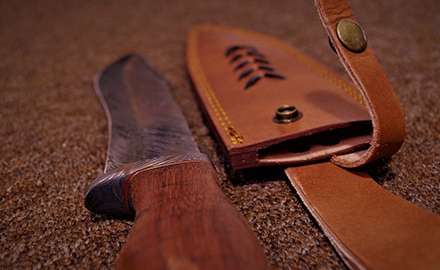
An important consideration when it comes to outdoor adventure is choosing a hunting knife. If used correctly and with care, hunting knives can be a highly valuable piece of equipment.
You will find that hunting knives provide you with many practical uses, such as prepping food, cutting wood and rope, and performing various other tasks that may arise during your outing.
So how to choose a hunting knife for your next adventure? We went through real hunters’ discussions to see what knives they actually use, what they love (or hate), and why it matters. Here’s a simple guide to help you pick the best knife for your hunting needs, no matter what level of experience you have.
Key Takeaway:
From hundreds of opinions from hunters, they agree on a few key things:
- A knife must be sharp and stay sharp. It’s better to have a cheap sharp knife than an expensive dull one. Many hunters emphasized that edge retention is critical, especially if you’re working on large game where you’ll be cutting through thick hide and muscle.
- Size matters. Most hunters prefer blades between 3 to 5 inches—big enough to cut deep, small enough to control. A compact knife gives you better control around delicate cuts, like around the anus or hide.
- Simple is better. Fancy features don’t help when your hands are bloody and cold. Textured grips and non-slip handles are a must.
- It should be easy to clean. Fixed blades are easier to rinse off, especially when you’re far from home. Gunk gets into folding mechanisms too easily.
- Replaceable blades are a huge win for some. They save time and stay razor sharp. If you don’t like sharpening or you’re on a multi-day trip, this is key.
What To Consider When Choosing a Dressing Knife?
As you select a field dressing knife, there are a few factors that you should consider before making your choice.
Fixed vs Folding Blade
You should first determine what type of hunting knife you need in order to make the right choice. Should you choose a fixed blade knife or a folding blade knife?
When it comes to heavy-duty tasks (e.g. skinning or cutting through thick materials), fixed blades are generally more durable and reliable, so they are preferred for wilderness survival knives and bushcraft tools that require heavy-duty strength and durability.
Considering the fact that folding blades are compact and lightweight, they show high potential for being an excellent choice when it comes to pocket knives for everyday use.
| Type | Pros | Cons |
| Fixed Blade |
|
|
| Folding Blade |
|
|
Blade Size
Furthermore, the size should also be taken into account when choosing a blade. It is not recommended to use blades that are too big or too small. When a blade is too large, you will not be able to effectively use it for detailed work, such as field dressing small game.
A hunter from Reddit says:
”I’ve used everything from a large 8inch buck knife, to a small 2 inch long blade. In full honesty? In my experience, I enjoy using the smaller blades more. My cuts are more precise, and I have more control over the blade than with a larger knife.”
In the same way, you may find it difficult to carry out rugged tasks outdoors with a blade that is too small, and you won’t be able to use it effectively for chopping or batoning, which involves striking the back of a knife blade with a rock or piece of wood so that the blade can pass through thick branches or stubborn wood.
Most survival knives fall in the range of 6 to 12 inches, and the ideal size is around 9 to 11 inches in length. Choosing the right blade size for a given job is crucial, as this will ensure that you get the best results.
Blade Shape
There are a number of blade shapes available for hunting knives, including drop points, clip points, and skinners. Each shape is designed to serve particular purposes, such as skinning games or cutting tough materials.
- Drop point: The drop point blade is characterized by a curved spine that slopes downward toward the tip. The shape allows for greater control when cutting and increases strength at the tip. It is suitable for general-purpose use and is a popular choice for hunting knives.
- Clip point: A clip point blade has a spine that curves downward from the handle and a sharp tip. With this shape, the blade acquires a fine point that is optimal for detailed work, making it well suited to skinning, cutting and piercing purposes. For pocket knives, it is a popular choice, and it is also perfect for hunting knives.
- Skinner: Skinner shape refers to a type of hunting knife blade that has a curved cutting edge and a fine point. This shape is designed to perform fine tasks such as skinning, cutting, and piercing with fine detail.
Blade Thickness
A blade’s thickness should be determined by the purpose for which it is being used. For heavier tasks, a thicker blade will be more efficient, while for lighter tasks, a thinner blade will be more efficient. The ideal blade thickness is 0.17 – 0.25 inches.
The type of steel used for the blade also plays a crucial role in the knife’s performance. In comparison to stainless steel, high-carbon steel has better corrosion resistance and is more likely to withstand abuse.
If you are looking for the best hunting knife that will serve you for a long period of time and provide great performance, the Kalkal hunting knife is a good option.
Kalkal hunting knife is made of 5Cr steel and coated with rust prevention. All blades are made of 5Cr15MoV steel, which gives the blade a hardness of 60HRC, making it easy to cook different types of game. The use of a durable and sharp blade can increase the cutting speed and increase the efficiency of the hunting process.
Full Tang
A full-tang knife has a blade that runs the full length of the handle, making it stronger and more durable. The blade of a partial tang knife is partially integrated into the handle, making it lighter but less strong than a full tang knife.
Anti-Slip Handle
When using a sharp knife, safety is a priority. Thus, a good knife requires an anti-slip handle with durability. Handles are just as important as blades, as they are meant to fit comfortably in your hand and provide you with a good grip in any situation.
The material of the handle should be strong and durable so that it can stand up to regular use and wear as well. To ensure that the product will last for a long period of time, it must be corrosion-resistant.
Here’s what to look for in handle material:
- Rubberized or textured polymer: Offers a great grip when wet or bloody
- Micarta or G10: Durable and offers a solid grip, even in cold weather
- Wood: Looks nice, but can be slippery and harder to clean
- Colored Coating: A knife with a bright color can enhance visibility. Many hunters lose knives in the field, especially in low light or heavy brush.
In a nutshell, you need a handle that is comfortable to hold and that won’t be slippery once your hand is covered in blood.
How to Choose the Right Knife For Your Hunt?
Before buying a new hunting knife, ask yourself a few simple questions:
1.What game are you hunting?
The type of game you plan to hunt will largely affect your choice of the knife you need.
- Deer or Hog: For these smaller animals, a blade length of 3 to 4 inches is ideal. This size provides the precision needed for clean cuts without being overly cumbersome.
- Elk, Bear, or Moose: Larger game requires a more robust knife, so opt for a blade length of 4 to 5 inches. A thicker spine will offer the strength needed for tougher tasks, such as field-dressing large animals.
2. Do you process animals yourself?
Consider whether you will be handling the butchering and processing of the animal on your own.
- Yes: If you plan to process your game on site, it’s best to invest in a sturdy fixed blade or a complete skinning set. Fixed blades offer superior durability and can handle various tasks, from skinning to cutting through tough muscles and tendons.
- No: If you don’t plan on processing the animals yourself, a lightweight replaceable blade may suffice. These knives are easy to use and can be quickly replaced, making them convenient for those who prefer to leave the butchering to professionals.
3. How much weight are you willing to carry?
Your hunting environment can influence the weight of the knife you choose.
- Backpacking or Mountain Hunts: If you’re trekking through rugged terrain or planning long-distance hikes, prioritize a lightweight knife. Reducing weight will help you conserve energy and remain agile.
- Tree Stand or Day Trips: If your hunting involves shorter excursions or sitting in a tree stand, the weight of the knife is less of a concern. In this case, you might prefer a heavier, more robust knife that can handle various tasks.
4. How comfortable are you with sharpening?
Your familiarity with knife maintenance is crucial in your decision.
- If Not Confident: If you’re not comfortable sharpening knives, consider opting for replaceable blade systems. These knives come with blades that can be easily swapped out, ensuring you always have a sharp edge without the need for sharpening skills.
5. Are you hunting in wet or snowy conditions?
Environmental factors can affect the longevity and performance of your knife.
- Choose Stainless Steel: If you anticipate hunting in wet or snowy conditions, stainless steel blades are a wise choice. They resist rust and corrosion, ensuring your knife remains functional and safe to use.
- Maintenance: Additionally, consider carrying a dry cloth and some oil to maintain your knife. Regularly wiping down the blade after use will help prevent moisture buildup and extend its lifespan.
Top Hunting Knives That Hunters Recommend
Here’s a breakdown of some of the most-mentioned knives among hunters from real in-field experience, along with what they like about them:
| Knife | Blade Type | Price Range | Key Features | Best For |
| Morakniv Companion | Fixed | $15–$30 | Lightweight, carbon steel, great value | Beginners, deer, all-around use |
| Havalon Piranta | Replaceable | $40–$55 | Ultra-sharp, surgical blades | Skinning, caping, precision cuts |
| Outdoor Edge Razor | Replaceable | $40–$80 | Tougher replaceable blades, sturdy handle | Field dressing elk, quick cuts |
| Buck 110 | Fixed | $60–$90 | Classic, durable, full tang | All-around, larger game |
| Cold Steel Mini Hunter | Fixed | $35–$50 | Great control, compact, razor edge | Small to medium game |
| Bark River Classic Drop Point | Fixed | $200–$300+ | Premium build, amazing edge retention | Serious hunters, elk, bear |
| Chris Reeve Nyala | Fixed | $300+ | Tactical-grade quality, ergonomic handle, rugged lifetime tool | All types of game animals |
These knives offer a wide range of options depending on your budget and style of hunting. Many hunters even carry two knives: one razor-sharp replaceable blade for fast work, and a sturdy fixed blade for the tough parts.
Budget vs Premium: What Do You Really Need?
You can find excellent hunting knives or even a whole knife set under $50, and premium ones over $200. But in real hunts, it’s more about sharpness and knowing how to use the tool.
Some hunters shared:
“I field dressed an entire elk with a $20 knife and a whetstone. It’s not about price.”
”They all get the job done well without breaking the bank. I don’t need to worry about abusing them, after all few years when they get too fucked or I lose one another $15 and I’m good to go.”
Premium knives often come with better steel, ergonomic design, full tang construction, and lifetime warranties. If you hunt often or want one knife to last your lifetime, they might be worth the investment.
For beginners or casual hunters, cheaper knives are more than enough. The trick is learning how to sharpen and care for them.
Conclusion
A reliable and capable hunting knife is an essential component of any hunting trip. It is only as good as how it feels in your hand and how long it holds an edge. It doesn’t need to be expensive, but it should fit your hand well.
Choosing a hunting knife for outdoor survival depends on the type of task you plan to perform with it. With so many options available on the market today, it is easy to find the perfect knife for your needs.
Related Topics:
- How to Choose the Best Scope for Your Rifle?
- How to Choose the Right Binoculars for Hunting?
- How to Choose the Right Hunting Boots?
- Tips On How to Wash Game Bags After Hunting?
Leave a Reply