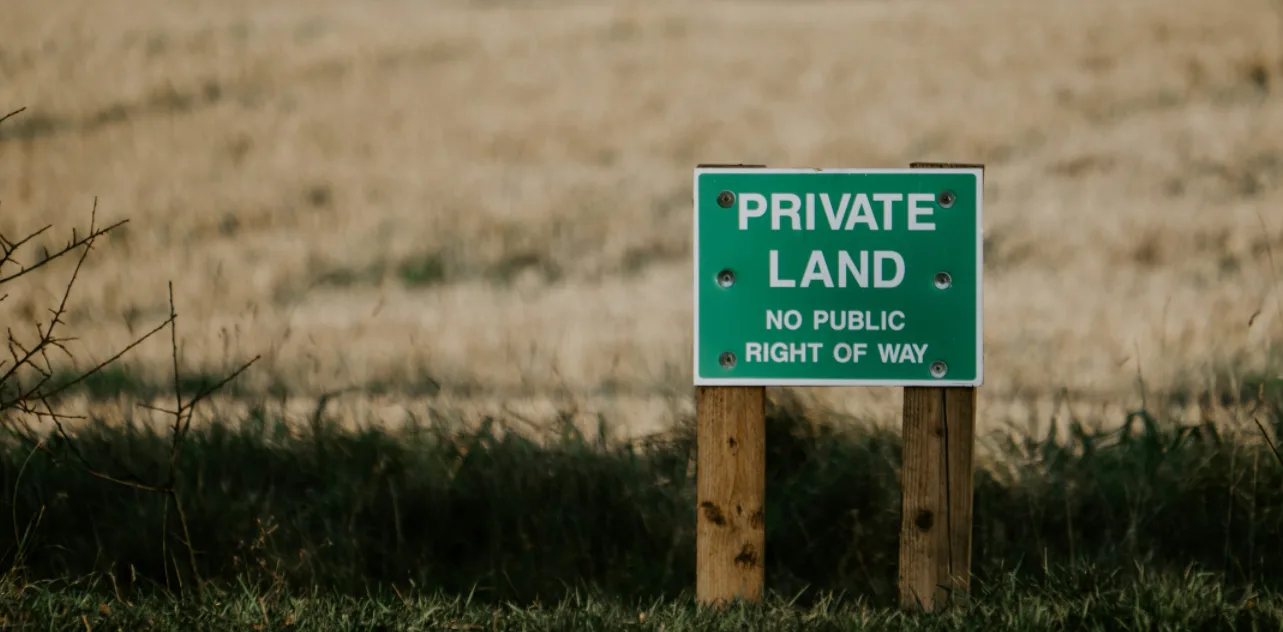
Finding quality hunting opportunities becomes increasingly challenging as public lands grow more crowded each season. A hunting land lease offers dedicated access to private property where you control pressure and management.
Whether you’re seeking exclusive access or exploring private land options, this comprehensive guide walks you through how to find, secure, and manage a leased hunting property successfully, so you can make informed decisions and maximize your investment.
How To Find a Hunting Land?
Securing a quality hunting land lease requires proactive searching through multiple channels and persistent networking efforts.
Ways To Find Leasing Lands
To begin with, search for online hunting lease marketplaces like Base Camp Leasing, LandTrust, and Outdoor Access, which connect hunters with available properties nationwide.
Secondly, local farm bureaus, agricultural extension offices, and rural real estate agents often know landowners considering lease agreements.
Moreover, word-of-mouth remains incredibly effective, so you can talk to fellow hunters, taxidermists, feed store owners, and farmers’ market vendors.
Last, don’t overlook direct approaches by sending letters to rural landowners in your target hunting areas. County tax assessor websites provide landowner contact information for properties that interest you most.
How Much Does Hunting Land Cost?
Hunting land lease costs vary dramatically based on location, property quality, amenities, and local demand pressures.
Rates typically range from $5 to $50 per acre annually in most regions across America. Prime Midwestern whitetail country often costs $15 to $30 per acre for well-managed properties.
Southern states with abundant deer populations may offer leases for $8 to $20 per acre. Western states with elk and mule deer can reach $25 to $50 per acre or more.
Total annual costs for a 100-acre lease might run $1,000 to $3,000 for most hunters. Premium properties with established food plots, stands, and trophy potential command significantly higher rates.
| Lease Type | Typical Goal | Cost per Acre (Annual) | 100-Acre Cost (Annual) | What You Usually Get | Best For |
|---|---|---|---|---|---|
| Entry-Level Lease | Fill tags, gain access | $8 – $15 | $800 – $1,500 | Basic access, little to no habitat work, few rules | New hunters, budget-minded hunters |
| Mid-Range Lease | Consistent success | $15 – $25 | $1,500 – $2,500 | Some management, limited pressure, stand access | Regular hunters wanting reliability |
| Trophy-Focused Lease | Mature bucks | $25 – $40+ | $2,500 – $4,000+ | Managed habitat, food plots, strict rules | Trophy-driven, serious hunters |
| Premium Managed Property | Top-end experience | $40 – $50+ | $4,000 – $5,000+ | Proven genetics, low pressure, long-term plans | Dedicated groups or clubs |
Must-Do Checklist To Lease Land For Hunting
Before finalizing any hunting lease agreement, complete these essential steps to protect your investment.
1. Meet the Landowner and Discuss Terms
Meeting the landowner face-to-face establishes trust and clarifies expectations for both parties involved.
Let’s first discuss who pays what and when, acceptable payment methods, late-fee rules, who carries liability insurance, and any expectations about improvements or repairs.
You should also confirm rights, like where and what animals you can hunt. Don’t assume things are obvious, as we have seen cases that hunters successfully shot a big buck, but the land owner said it was supposed to be his target.
2. Exchange Contact Information and Access Credentials
Exchange full contact information, including cell phones, email addresses, and backup emergency contact numbers immediately.
And, additional information you will need, such as necessary gate codes, lock combinations, or access credentials required to enter the property.
Remember to test the code and see if the gate works, you want to know in case you are stuck there. Also, ask who to call if there is an injury, livestock issue, or a problem with a neighbor.
3. Obtain Legal Description and Property Maps
Request the exact legal description with section, township, and range information for the leased property, and a detailed property map showing boundaries, interior roads, and landmarks.
We suggest that a map and the legal description should be attached to the lease. In this way, everyone knows exactly what ground is included and prevents accidental trespassing on neighboring lands.
4. Walk Boundaries and Mark Property Lines
If possible, walk the entire boundary with the landowner to identify corner markers and fence lines. You might catch one property that included a fenced garden that the owner forgot to mention.
If a physical walk-through isn’t feasible, obtain clear GPS waypoints for all property corners. While you’re there, take photos and note any shared boundaries with neighbors; add those photos to your lease records.
5. Confirm Parking and Vehicle Access
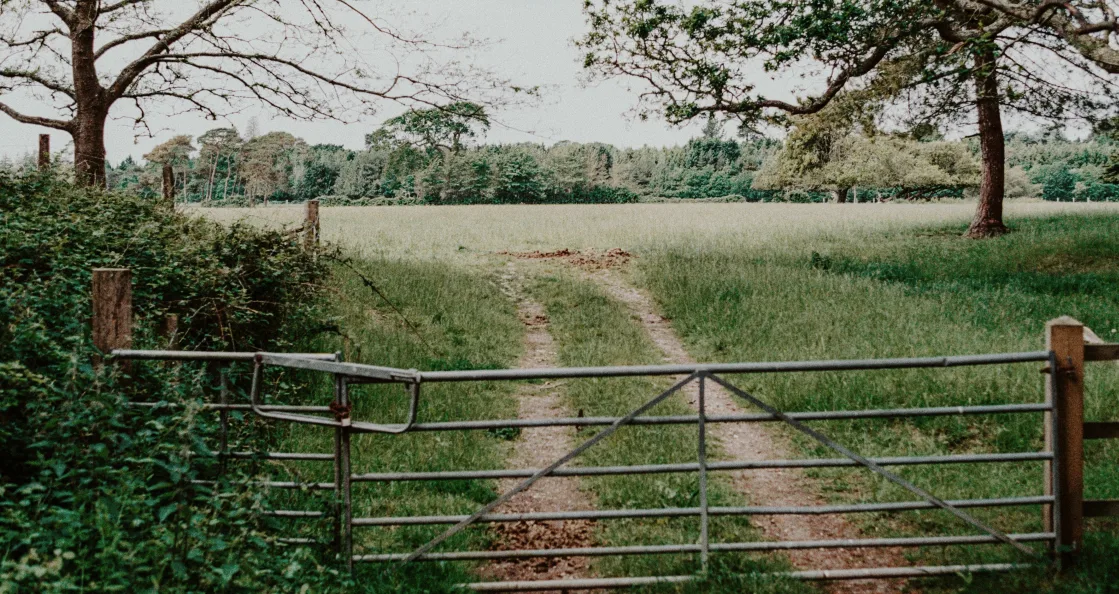
Confirm where you can park, which gates and roads you may use, and any restrictions during wet seasons when vehicles might damage pastures or field roads. That may raise a problem of who’s responsible for recovery.
You can get any special permissions in writing to use an alternate access during hunts. If the landowner expects vehicles to stay on designated tracks, get that route on the map.
6. Clarify Hunting Infrastructure and Restrictions
Before signing the contract, you should always discuss hunting infrastructure details with the landowner. What can be built and what is absolutely prohibited, such as a tree stand or a hunting blind, must be confirmed in advance.
Some landowners permit planting food plots, while others forbid any soil disturbance. You need to understand restrictions on planting food plots, using supplemental feeders, mineral salt licks, and any timber cutting.
Another often overlooked point is hunting hours. While state laws define legal hunting periods, we’ve seen many private lands enforce stricter rules, like requiring entry only after sunrise, departure before sunset, or prohibiting hunting on specific dates. Never assume “state law equals land rule.”
7. Establish Harvest Reporting and Processing Procedures
Some landowners are very particular about what you shoot and how much you take, while others don’t care.
Try to identify requirements for harvest reporting, whether the landowner wants records of all game taken. Discuss meat-processing expectations, designated areas for field dressing, and proper carcass disposal methods.
If the landowner has a preferred meat processor or processing method, respect that. Remember, you’re hunting on their property.
8. Secure Signed Lease Documents
The final step may seem simple, yet it’s the most easily overlooked: signing.
Never ‘‘go hunting after a verbal confirmation’’. Ensure all parties sign the lease agreement and everyone receives original signed copies. Scan and store digital copies in multiple locations for easy reference throughout the lease.
All these details may seem minor, but mishandling them can severely damage your relationship with the landowner or even lead to early contract termination.
How To Manage Leased Land For Hunting Success?
Food Plots, Water, and Cover
When hunting deer, a strategic food plot placement dramatically improves your hunting success by concentrating deer movement through predictable routes.
It is suggested to plant larger feeding plots in field interiors away from roads, where deer feel secure. And, position smaller kill plots near bedding areas or along travel corridors between feeding and bedding.
Consider sun exposure, soil quality, and drainage patterns when selecting food plot locations throughout the property.
Spring plantings from March through May should include perennial clovers, chicory, and alfalfa for summer nutrition.
Summer plots planted in June and July benefit from warm-season annuals like soybeans and cowpeas. Late-summer plantings from mid-July through August should focus on brassicas like turnips and radishes.
Fall plantings in September and October can include cereal grains, winter wheat, and Austrian peas. Late-season plots provide crucial nutrition when natural forage becomes scarce during harsh winter months.
In Winter, for maximum late-season attraction, plant sugar beets, turnips, radishes, kale, and winter rye together. These cold-hardy species become increasingly palatable after frost sweetens their sugars and improves taste.
Standing corn left unharvested provides high-energy food during the coldest months when deer need calories. Cereal rye continues growing through winter, offering green forage when everything else goes dormant.
Food Plot Year-round Schedules
Here’s a recommended 12-month planting calendar for comprehensive year-round deer attraction and nutrition:
- January-February: Plan plot locations, test soil, order seeds, and maintain equipment for spring.
- March: Plant perennial clovers, alfalfa, and chicory as soon as soil can be worked.
- April-May: Finish spring perennial plantings; prepare ground for summer annuals in warmer regions.
- June-July: Plant warm-season annuals, including soybeans, lablab, cowpeas, and iron clay peas.
- August: Begin planting fall brassicas, radishes, turnips, and prepare ground for cereals and grains.
- September: Plant cereal rye, wheat, oats, Austrian peas, and additional brassica varieties for diversity.
- October: Complete all fall planting; plant sugar beets in warmer climates for winter attraction.
- November-December: Monitor plot usage, plan next year’s strategy, and maintain existing perennial plots.
Learn more details about what deer like to eat:
- What Fruits Do Deer Eat?
- What Plants Do Deer Eat?
- Do Deer Eat Black Walnuts?
- Facts About Deer Eats Meat
Roads, Gates & Parking Maintenance
You and the landowner should have clear communication about road maintenance responsibilities to prevent disputes and ensure reliable property access year-round.
Determine whether the landowner or lessee pays for periodic road grading, gravel application, and repairs because many lease agreements split maintenance costs or require the hunter to handle routine upkeep.
Next, a maintenance schedule based on road conditions, weather impacts, and usage frequency is necessary.
Manage access carefully to minimize road damage, especially during wet conditions when vehicles create ruts. Install gates at strategic locations to control access and prevent unauthorized entry by trespassers.
Use geotextile fabric under gravel in problem areas prone to mud and washouts. Communicate with the landowner before undertaking any major road improvements or modifications to existing infrastructure.
Monitoring Deer Movements and Population
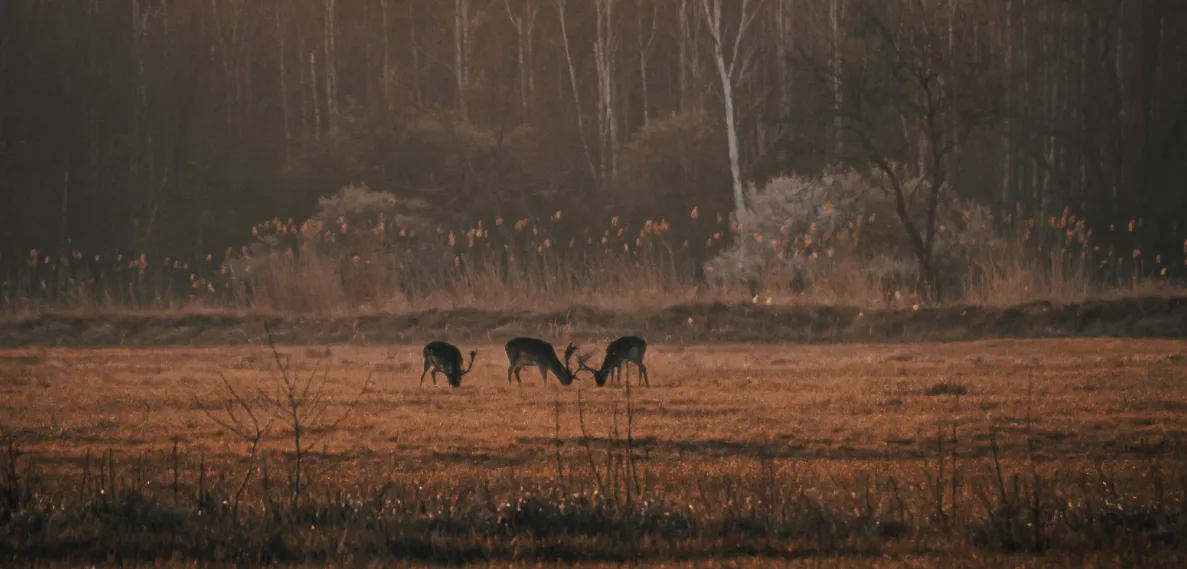
To better understand the deer movement in your leased area, you should deploy trail cameras in late summer, approximately 6-8 weeks before your hunting season begins.
This timing allows you to clearly know how many deer are moving around the land, along with their movement patterns.
Place cameras on field edges, scrape lines, rub routes, funnels, and water sources strategically. During summer, use mineral sites to capture velvet photos and monitor herd health.
Track both daytime and nighttime activity, individual buck patterns, doe group sizes, and fawn recruitment rates.
To standardize camera effort, calculate camera indices by dividing total deer photos by camera days to measure success:
Camera index = total deer photos / camera days.
- 5–10 deer per camera-day — moderate activity; deer present but not abundant.
- Above 15 deer per camera-day — excellent density; strong population signs.
Common Mistakes & How To Avoid Them
Many hunters sign lease agreements without thoroughly reading contract terms, leading to misunderstandings and disputes. You should always review the entire lease document carefully, or consult an attorney for complex agreements.
Here are things you should know:
- Failing to establish clear boundaries causes accidental trespassing and conflicts with neighbors throughout hunting season. Walk boundaries with GPS, mark corners with visible flagging, and carry boundary maps religiously.
- Neglecting landowner communication creates tension and jeopardizes lease renewal when your term expires annually. Maintain regular contact, share harvest photos, and demonstrate responsible stewardship of the property.
- Overestimating property potential leads to disappointment when reality doesn’t match unrealistic expectations about trophy bucks. Visit properties multiple times during different conditions before committing to long-term lease agreements.
- Poor camp behavior, including littering, property damage, and excessive noise, gives hunters a bad reputation. Leave the property cleaner than you found it, and repair any accidental damage immediately.
- Inviting too many guests without landowner permission violates trust and potentially exceeds lease occupancy limits. Always obtain written approval before bringing additional hunters to your leased property.
Public Land Vs. Leased Private Land
Public land offers free or low-cost access, no lease commitments, and opportunities to explore diverse properties.
However, hunting pressure remains high, especially near roads and during opening weekends of seasons. Quality deer typically retreat to sanctuaries or adapt to nocturnal patterns on heavily pressured lands. You cannot implement habitat improvements or food plots on most public hunting areas effectively.
Leased private land provides exclusive or limited access, reducing pressure and increasing mature buck encounters. You control hunting pressure, implement habitat improvements, and establish long-term management strategies successfully.
Dedicated access allows you to learn the property intimately, identifying bedding areas and travel routes. But, leases require significant financial investment, ongoing costs, and commitment to multi-year agreements typically.
| Factor | Public Land | Leased Private Land |
|---|---|---|
| Cost | Free or minimal | $1,000-$5,000+ annually |
| Access | Open to everyone | Exclusive or controlled |
| Hunting Pressure | High, especially on weekends | Low, you control it |
| Deer Quality | Often pressured, nocturnal | Higher quality possible |
| Habitat Control | None allowed | Full management freedom |
| Commitment | None required | Multi-year typical |
| Success Rates | Lower due to pressure | Higher with management |
Is Leasing Hunting Land Worth It?
Experienced hunters who’ve transitioned from public to private leases consistently report dramatically improved success rates. Many describe leasing as “transformative” for their hunting experience, citing reduced pressure and predictable patterns.
What Leasing Land Gives You
- Less pressure, more pattern predictability. Fewer hunters on the ground means deer behave more predictably, which typically raises success rates for targeted hunts.
- Control over habitat and access. Leases allow habitat work (food plots, stands, water) and set rules for guests and vehicle access — both of which directly affect long-term quality.
- Better trophy potential. For hunters targeting mature bucks, private control usually outperforms pressured public land.
However, opinions vary based on budget constraints, available public land quality, and personal priorities. Some hunters prefer the adventure and challenge of hunting pressured public land deer successfully.
When Public Land May Be Better
If your goal is simply to enjoy the outdoors or fill a venison tag each season, and local public land offers ample opportunity, leasing may not be necessary.
Budget, travel constraints, or a preference for the challenge and variety of public land can also make public hunting preferable.
Know The Simple Cost-Per-Hunt Calculation
Calculate your cost per hunt by dividing total annual lease expenses by hunting days used:
- Cost per hunt day = (Total annual lease cost + annual associated costs) /number of hunt days used
For example, a $2,000 lease used for 20 days costs $100 per hunt day.
Then add travel, food, hunting gear, and opportunity costs to get a comprehensive per-hunt calculation accurately. And then compare this against guided hunt costs, out-of-state trip expenses, and the value of venison harvested.
With all these factors, you can decide whether to lease, including your hunting goals, available time, and budget.
How To Make Leasing Affordable And Smart
If you prefer to hunt in private land, there are some ways to consider to make costs more affordable while maintaining reasonable pressure.
- Group leases: Splitting a lease among at least 3–5 trusted hunters reduces per-person cost while keeping pressure reasonable.
- Multi-year deals: Landowners often prefer longer terms; multi-year leases can lower annual cost and justify habitat investments.
- Scouting first: Visit multiple times across seasons and run a short camera program before signing to verify deer density and patterns. Hunters pursuing mature bucks benefit most from private land control and reduced hunting pressure.
Eventually, if the cost per usable hunt compares favorably to other options and the property fits your goals, leasing is usually worth pursuing. If not, keep scouting public land or consider short-term trials before committing long-term.
Common FAQs About Leasing Hunting Land
How much does a hunting lease cost per acre?
How many acres do I need for a hunting lease?
What are the cons of a land lease?
Do I need liability insurance for a hunting lease?
How long should a hunting lease be?
Who pays for improvements on leased hunting land?
What should be in a hunting lease?
Conclusion
Leasing hunting land is a serious choice that can give hunters more reliable and quality experiences, and help produce better hunts over time.
It requires certain costs and clear communication with the landowner, and you must follow the agreed rules and care for the property to keep the relationship healthy.
Whether leasing is right depends on your goals, budget, and local options. Do the math on cost per hunt day, scout the property first, and compare leasing to public-land hunting or guided trips.
If the numbers are within your budget, a well-managed lease can make hunting more rewarding; if not, consider a group trial or public land to reduce risk.




Leave a Reply