
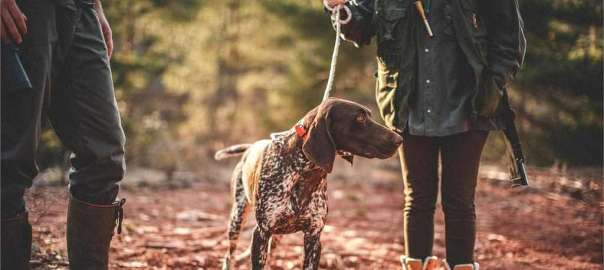
For some hunters, a well-trained hunting dog adds to the fun and raises the chances of success. However, selecting the right breed and training it properly is no easy task.
Here, we introduce several breeds that work well for deer hunting. We also cover key training tips, common challenges, needed gear, and legal considerations.
Let’s explore the hunting world of man’s best friend – the hunting dog!
What Are The Ideal Breeds For Deer Hunting?
There are particular dog breeds that are being bred and trained for hunting deer. Each of them can offer some unique and amazing qualities. Here are six popular breeds known for their prowess in deer hunting:
1. American Foxhound
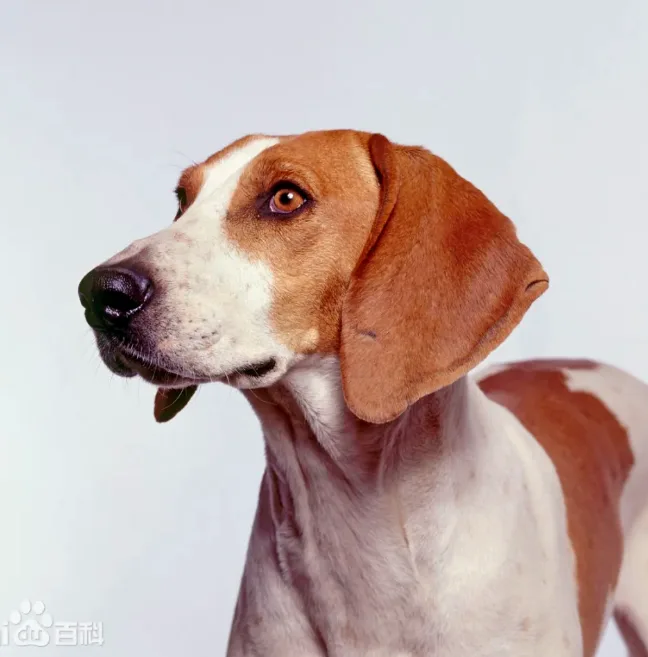
This particular breed is specialized for the pursuit of prey due to its strength, speed, and remarkable sense of smell.
American foxhounds are the best for trailing deer while maintaining a clear distance over a long time. They can keep up with the deer for a long time.
They are considered excellent runners and strong in pursuit of game, so they are good companions for hunters who hunt deer.
2. Beagle

Beagles are constantly praised for their incredible ability to smell and track. These high-power optics, along with harsh weather, keep deer from hiding in vegetation for long. This makes them vital for people who hunt in the woods.
Beagles are also good hunters because of their small size and maneuverable bodies that enable them to adapt to rough terrains.
3. Bloodhound
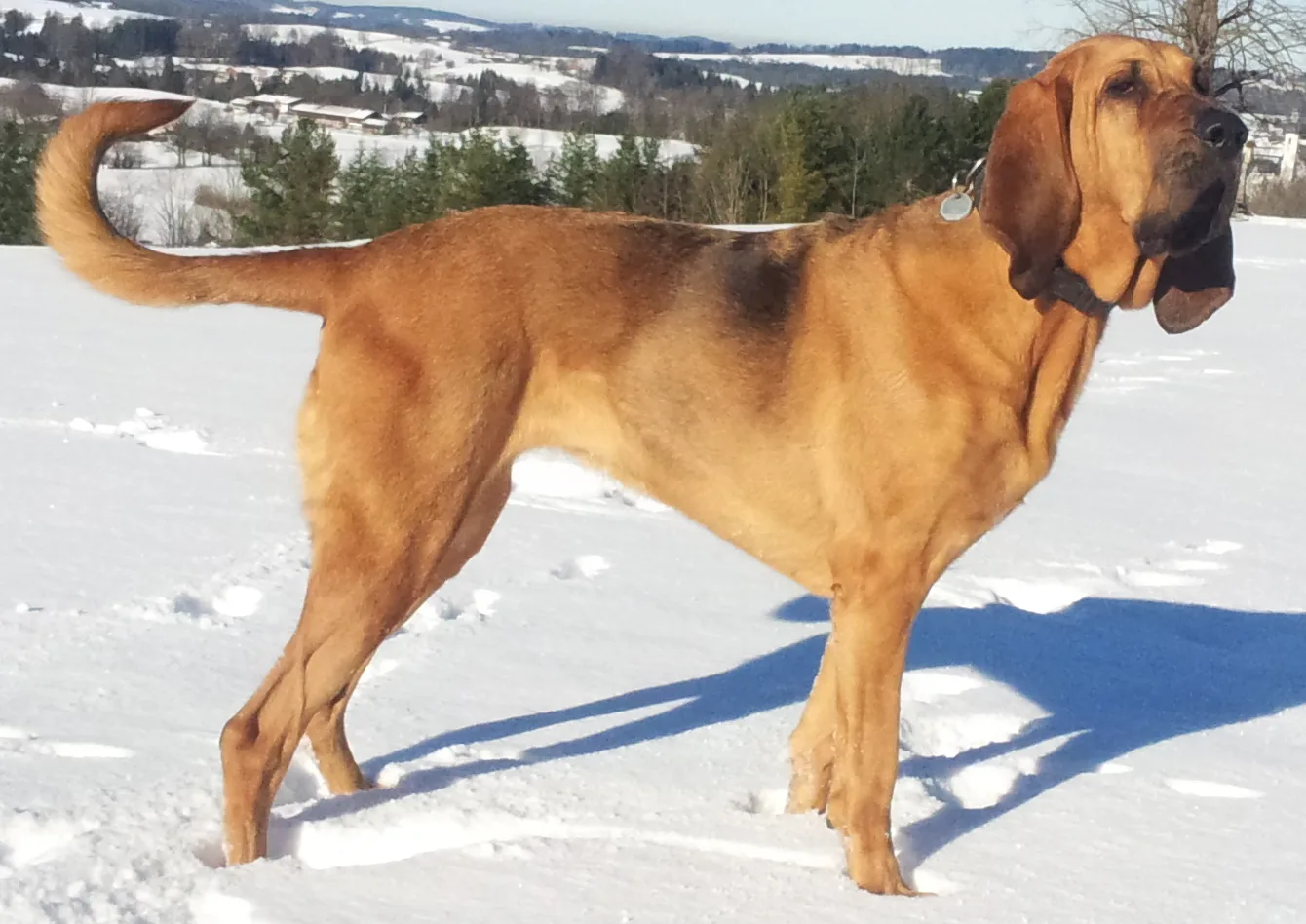
Bloodhounds possess a unique sense of tracking, which can be compared to detecting a cold scent trail that is even several days old.
They have great skills, including a strong sense of smell and a persistent nature. These traits make them ideal for trailing wounded deer and support effective hunting practices.
4. Walker Coonhound
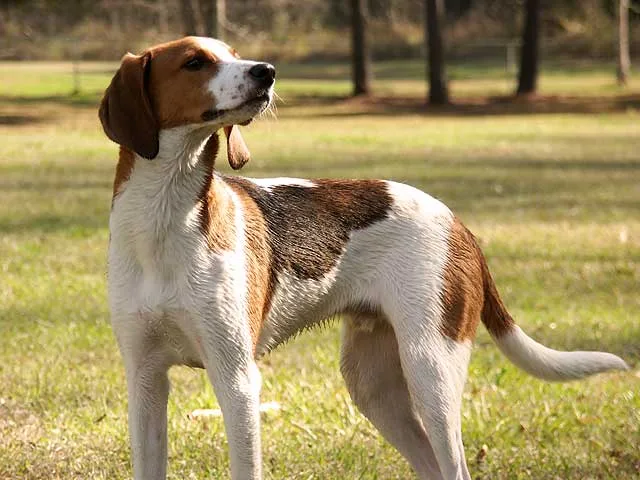
Initially, the Walker Coonhound breed was dedicated to hunting raccoons, but they have proven to be good at hunting deer, too. They are good at following their prey and even work well with the many kinds of terrain that exist.
In their area of game territory, they are known for their loud and distinctive baying, which helps to alert hunters of animals being hunted.
5. German Shorthaired Pointer
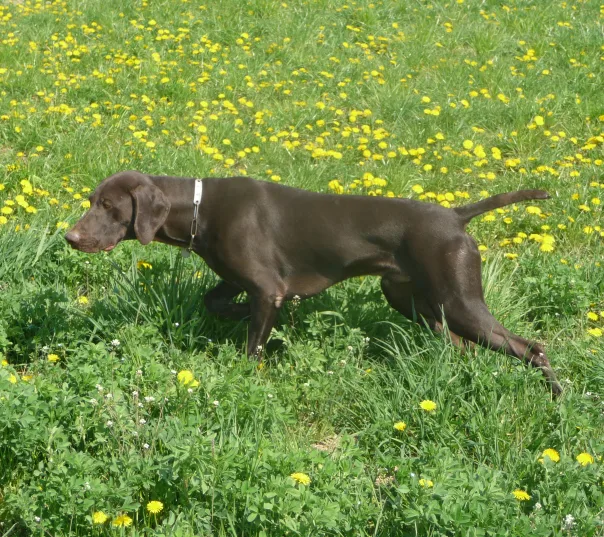
This breed is, nevertheless, the most skilled in upland and waterfowl hunting and tracking, and recovery of whitetail deer.
The breeders have personally experienced these characteristics. They are swift, smart, and have earned a good name for deer hunting.
6. Plott Hound
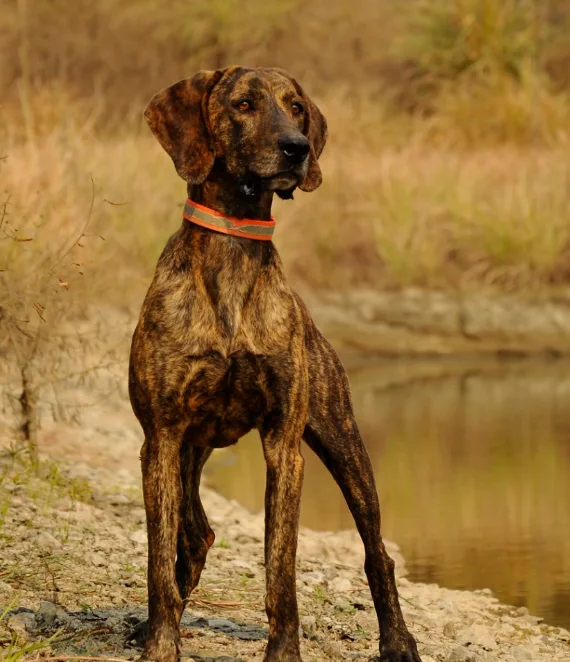
Beginning in North Carolina, the breed of Plott Hound is a very settled and willful hunting dog that has been trained to hunt deer, which are big game.
Their keen sense of smell and well-known capacity to run long distances mean that they can pursue and find even a wounded deer. Plot Hounds are considered to be the most tenacious and fearless hunting dogs. They pursue a game that can charge hard and can handle rough terrain well.
| Best Dogs for Tracking Wounded Deer | Best Dogs for Driving Deer |
|
|
How To Train Deer Hunting Dogs?
Here are some tips and skills to consider when training your dog for deer hunting:
1. Scent Tracking And Retrieval Abilities
To start, make your dog accustomed to the aroma of deer. Use the scent of deer or deer antlers so that the dog becomes accustomed to this smell.
Begin the tracking activities by visiting the areas with confined areas, and once your dog proves their ability, move on to longer and more difficult retrieves in open areas.
Tactics, like inspiring using treats and appreciation, might be very useful to teach a dog to unproblematically pick up and return objects.
2. The Hunting Partnership
Shared a strong and truly based respect and trust relationship with your dog. Give your union time for quality moments both on hunting fields and away from them, to build the strength of your connection.
Try to set up scenarios like hunting with your dog, in which you can feel the real experience of a hunt. He/she will be able to follow what is expected of them and work efficiently as a hunter companion with you.
3. Communication and Cooperation
Create a clear communication system together with your dog using the same words and gestures in various training sessions. Apply verbal orders, hand signs, and whistle signals to increase hunting effectiveness.
Encourage collaboration by reinforcing the positive behaviors and correcting the undesirable behaviors by redirection. Consistency is the answer to the question of what it takes for the dog to take the owner’s demands seriously.
4. Physical Conditioning
Be sure that your dog is in good form for hunting by offering him enough exercise and diet so that he can capture small animals.
Fitness and endurance, for example, are important characteristics of good hunting dog should have to perform its job well during extended long hunts.
First, the dog owner needs to start slowly with the intensity and duration of exercise to allow for the gradual building of the dog’s strength and endurance.
5. Safety Training
Trained your dog to remain in your sight and hearing range as you hunt to prevent mishaps/accidents or getting lost your dog. Teach your dog to stay away from the precipitous cliff on the edge, the water bodies, or the thicket undergrowth.
Put a well-seen reflective vest or coat on your dog to make it more conspicuous in the field. Such garments are particularly useful in the field during dim-light times, for example.
How Deer Hunting With Dogs Works?
Hunting deer with dogs is plain and powerful when done right. There are two main ways dogs help: driving and tracking. Both need good dogs, clear roles, and steady planning.
- Driving: Dogs move through cover and force deer to run. Hunters wait in stands or behind ambush points for deer to come out. This is fast and uses lots of scent and noise.
- Tracking: Dogs follow a blood or scent trail to locate a wounded deer. This is slower, needs patience, and the right nose on the dog.
Below, we’ll walk you through how a typical hunt goes, with simple tips that actually work in the woods.
Typical team and roles
Hunting with dogs requires cooperation between team members, and each member plays a crucial role in making the hunt successful.
Dog handlers are responsible for controlling and releasing the dogs. They need to pay close attention to the pack’s behavior, knowing when to call the dogs back for safety or to regroup. This requires experience and a deep understanding of how the dogs operate.
Meanwhile, stand hunters or shooters are positioned in areas where deer are likely to appear. Their job is to remain alert and ready to take the perfect shot at the right moment, ensuring they can effectively harvest the deer.
Supporting these roles are spotters or drivers, who navigate the terrain and help guide the dogs while keeping an eye on the surroundings. They play a key role in spotting any potential threats or changes in the environment.
The success of the hunt truly depends on how well the team collaborates, with each member relying on the others to create a seamless operation.
A simple step-by-step of a driving hunt
Plan the day. Check maps, wind, and where deer usually move. Pick spots with escape routes and cover.
Set hunters. Place stand hunters downwind of where deer will run. Quiet is everything.
Release the dogs. Handlers let the pack go at a planned time and area. Dogs range and search.
Dogs push deer. When dogs hit scent, they move through cover, bumping deer out of bedding. Deer usually run away from the dogs — hopefully toward the waiting hunters.
Shot opportunity. Hunters take the clean, ethical shot when it appears.
Call off and recover. Handlers call dogs back. If a deer is hit, switch to tracking mode to find and recover it.
Tracking a wounded deer
- Move slowly and keep the dog focused on the trail.
- Use wide sweeps to pick up scent if it’s old or light.
- Look for signs like broken twigs, crushed grass, spots of blood, and hair.
- If you lose the trail, retrace slowly and don’t rush the dogs into new cover.
Always put safety first. Never send your dogs where hunters are positioned. Most importantly, respect landowners and local rules. If dogs push deer onto roads or private yards, that’s on you.
Challenges Of Hunting Deer With Dogs
Hunting deer with dogs can present unique challenges that hunters need to be prepared for. Here are some common issues faced by hunters when hunting deer with dogs and potential solutions:
1. Safety Concerns
There is a slight possibility that working dogs may accidentally harm, hurt, or injure other hunters, observers, or other dogs. The safety of the hunter and his dog must be considered above anything else.
This involves, among other things, proper training for both of them, the use of suitable hunting gear, and compliance with hunting regulations and rules.
2. Noise and Disturbance
Dogs could generate noise and interruption while getting closer to the deer, therefore alerting them so that it might not be possible for the dogs to approach the deer anymore.
The dog noise issue can be mitigated by teaching the dogs to be quiet and disciplined during the hunting process.
Moreover, the trackers can use quieter collars or signals. This makes the cue almost noise-free and increases the chance of a successful hunt.
3. Separation Anxiety
As for dogs, there is the phenomenon of separation anxiety during hunting when they are separated from their owners, which comes head-to-head with distractions and reduced hunting efficiency.
This is probably because dogs get used to being near their hunter-owners for long periods, and they become very reliant upon them.
To deal with this, hunters should gradually acclimate their dogs to being away from them for extended periods, using positive reinforcement techniques and providing mental and physical stimulation for the dogs.
4. Unpredictable Behavior
Likely, a deer confronted by dogs may act in a way that can’t be foreseen, even if they run away in different directions or find a place to hide.
Therefore, it might be difficult to reason out the movements of the deer in the absence of any movement pattern and to make an attempt for a successful shot.
Hunters will need to be sure that while they are using their dogs, they do not get too far ahead of the deer, hoping that this will still give them a chance to control the situation and strategically position themselves.
5. Environmental Factors
The environment, gradient, and the depth of the land can also be obstacles when the dog is used as a hunting tool.
Dense bushes or harsh environments in nature can further impair a hunting dog’s ability to track or locate deer.
When hunting, consider locations that are suitable for both the hunting dog and the target white-tailed deer. This tends to be more successful.
Essential Equipment For Your Hunting Dogs
1. Tracking Collars
Collars with a tracking device are important because they help track your dogs, especially in dense forest or brush areas, where visibility may be low.
Usually, these dog collars have GPS tracking systems that allow you to know exactly where your dog is and also track the average movement for some time.
In addition to the functionality of tracking, some collars have advanced features like remote training, alerts for when the dog has found a treed game, etc.
2. Visibility Vests or Collars
The most important aspect of deer hunting season is to ensure that your hunting dogs can be seen by you and other hunters to prevent the chance of an incident.
A high-visibility vest or collar in orange/fluorescent yellow would give your dog better visibility in the woods, helping the dog avoid being mistaken as a game.
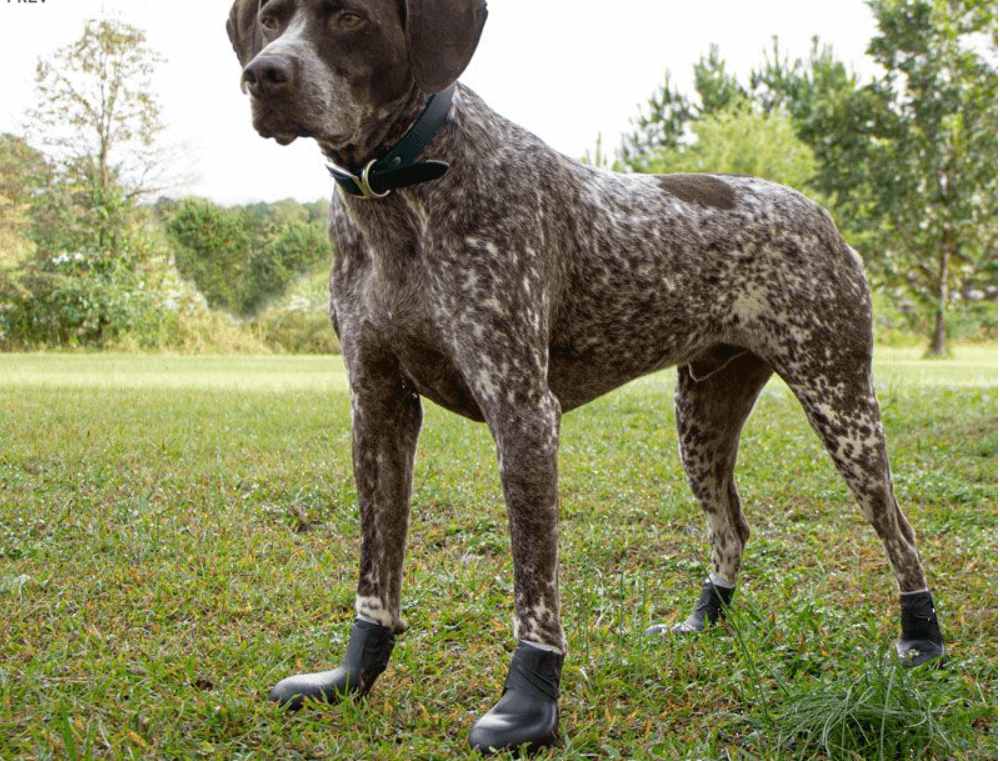
3. Paw Protection Footwear
It is very important to give your hunting dog proper footwear. It protects the paws from injuries during trips, and helps in rough terrain, on sharp rocks, around thorns, and in winter.
There are many types of dog hunting boots or paw protectors on the market, some of which offer excellent grip and can even protect a dog’s delicate paws from any potential injury. When purchasing, choose durable, comfortable materials with a strong grip.
4. First Aid Kit
Like humans, dogs can also suffer accidental injuries while hunting, but they are resilient to recover. Having a first-aid kit specifically designed for dogs is invaluable in emergencies.
It can help you provide immediate first aid in unexpected situations. Essential items in the kit include bandages, disinfectant wipes, tweezers (for removing ticks or thorns), and any medications your dog might need.
5. Water and Food
A hunting dog is working hard during the day, and that is why it’s important to pay close attention to the water and food intake.
Carrying enough water and snacks (portable food) for your pet would be vital for sustaining their energy level and avoiding dehydration or exhaustion.
6. Dog Whistle or Commands
Training tools like a dog whistle or some simple commands are vital to get the ideas across to your hunting dog.
Whether you are giving “back”, “stay”, and “alert” signals, you are calling them back, or you are alerting them to start the game or activity, the truth is the same.
Constant training and clear communication are the only ways to achieve a successful outcome.
7. Protective Gear
If the landscape of your hunting area poses a threat or has bushy terrain, then protective gear like vests and eye protection is recommended to provide cover for your dog from bumps and bruises.
Legal Considerations and Regulations
In some states, it is legal to hunt deer with dogs, while in others it is not. States such as South Carolina, Virginia and Georgia allow dog hunting; in some other Southeastern states, they only allow it in certain zones or seasons.
The legal requirements may vary from one location to another concerning hunting deer with a dog. Therefore, it is imperative to understand and comply with those particular requirements in your area.
It might be required for the dog to be licensed, and it can cost between $10 and $20 per year, possibly more for a dog not neutered. Not licensing your dog can get you a fine already, and in the case of impounding, it is easier to return licensed dogs.
Immunizations are especially important, and have to be compulsory. While pet insurance is not mandatory, it can be used to cover major medical expenses.
Adhering to these laws helps protect your pets and the community’s safety. In other words, it’s essential for responsible pet ownership.
Deer Hunting With Dogs FAQ
Is it legal to hunt deer with dogs in the United States?
What are the best dog breeds for deer hunting?
How many dogs do you need for deer hunting?
Can one dog track a wounded deer?
Are GPS collars necessary for deer hunting dogs?
Is hunting deer with dogs effective?
Conclusion
In conclusion, selecting the right breed and training your dog appropriately can significantly enhance your deer hunting experience.
Breeds like the American Foxhound, Beagle, and Bloodhound are renowned for their tracking abilities, while proper training techniques can ensure they perform effectively in the field.
Understanding and complying with legal requirements, such as licensing and spay-neuter laws, are also crucial aspects of responsible pet ownership. By considering these factors, you can enjoy a successful and fulfilling hunting expedition with your canine companion.
Leave a Reply