
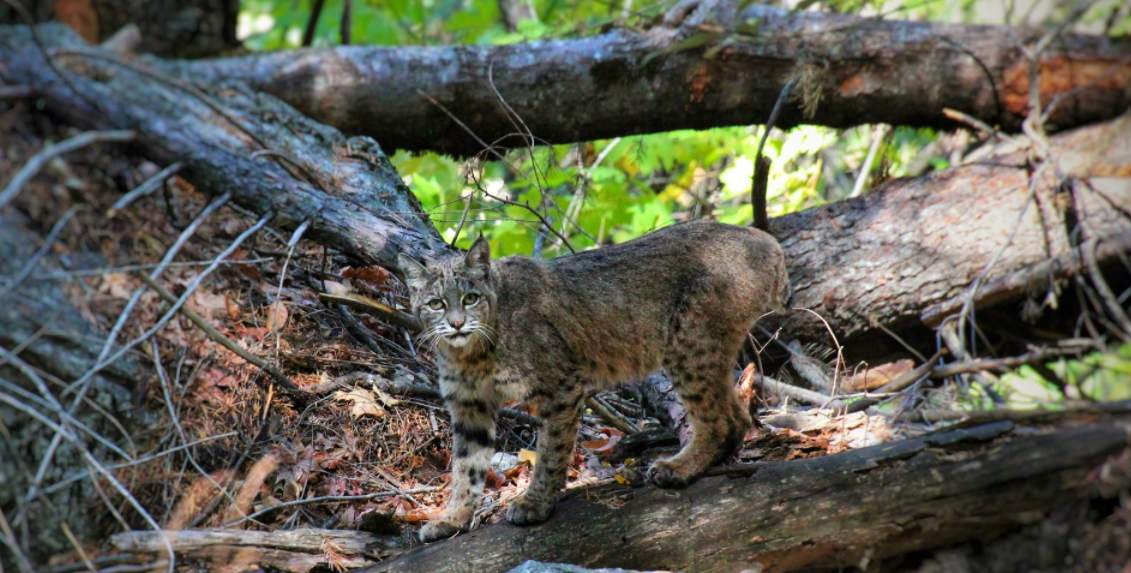
Bobcats are crafty, super-smart hunters that may be difficult to handle even for the best of trappers. They are elusive by nature, have an excellent sense of instinct, and are careful. They cannot be trapped easily without a proper plan. Be it wildlife management, fur harvesting, or relocation, trapping needs patience and preparation, along with knowing their ways, so as to succeed.
Knowing how they act and employing the most appropriate trapping methods will increase your success by a great margin. In this guide, we will take you through all the steps, starting with location scouting to safely and ethically handling a captured bobcat.
Understanding Bobcat Behavior and Habitat
Bobcats are nocturnal animals, and hunters do not like sounds. They prefer to travel through their environment, consuming minimal sound at night. They are very much territorial and indicate their territory using scent marks, claw drag marks, and scats. Their home ranges are 5 to 50 square miles, which depends on food and topography.
They prefer heavily covered habitats, including thickets, brush, swamps, and rocky outcrops. They tend to travel in designated travel ways such as game trails, dry creek beds, fence lines, and logging roads. Bobcats are seasonal movers and tend to change their location depending on their availability of food and the breeding season.
During winter, bobcats are known to venture into larger portions of land in seeking limited food. In summer and spring, they will tend to remain near rabbit, rodent, and bird-rich grounds. Being aware of these patterns will enable you to understand when and where they will go better and set up traps.
How to Trap a Bobcat?
1. Best Way to Trap a Bobcat
Successful trapping of a bobcat begins with the appropriate kind of equipment. Live trapping and cage trapping are considered the two most widely suggested types of traps to use in bobcats. Although they both operate under the same broad principle. They each have their advantages and disadvantages depending on where you want to trap and what you want to trap.
Live Traps: These will trap the bobcat alive without hurting it. They usually consist of large, heavy-duty casings into which a spring-loaded door fits that pops closed once the bobcat steps on a trigger plate. Trappers routinely relocate live-trapped animals to new locations, study them, or where they desire humane handling.
The pros are that they are humanely captured, can be used for several seasons, and carry a decreased risk of damaging the animals.
Difficult to carry into wildish locations, more costly to buy, and these require specific attention to scent control.
Cage Traps: These accomplish the same as live traps, but can either be lighter or simpler in their construction. They work well when positioned at strategic places where there is a high activity of bobcats and then baited with smell, which can be either appealing or visual baits.
It is easier to assemble and works better on small to medium bobcats, and it is suitable for placing in a targeted setting.
Bobcats that are trap-shy will not go to them, and at times, additional camouflage will need to be acquired to maximize success.
Whatever the kind, make sure your trap is structurally sound with no rust, preferably big enough so a bobcat can get into it comfortably. Before setting your trap, make sure local laws comply with state law to trap and kill bobcats legally.
2. Scouting and Selecting Locations
Locating the optimal place is one of the most decisive factors that determines the success of trapping bobcats. The best trap cannot work well if it is not located in a place bobcats are not likely to visit.
To start with, it is quite impossible not to scout natural funnels and travel corridors that serve to direct the movements of the wildlife. These are narrow pathways through dense cover, dry creeks, open fences, and edges of habitats as the wooded areas abut open fields.
Mark noted evidence of the existence of bobcats during his scouting. Fresh tracks are a good sign, usually around 2 inches wide with no visible claw marks because they have retractable claws. You can also come across scat, which is separated into parts and can contain fur or prey bones. The other badge is the presence of scratch marks in trees or fence posts, as bobcats tend to do so when marking their territory.
It is always successful to re-hunt those areas where bobcats were caught in the last season. Others also follow the same tracks of their hunting over the years in cases where prey abundance is high.
Nevertheless, bobcats that are usually more experienced may fear revisiting the areas where they are caught or disturbed. When it comes to this, you can move your set slightly or disguise it in other ways so you can be away from detection.
3. Setting Your Traps
How to Set a Live Trap:
- Select a site with recent bobcat activity, ideally along a natural travel route.
- Position the trap so it blends seamlessly with its surroundings without obstructing natural movement.
- Place your bait at the far end behind the trigger plate to encourage full entry.
- Ensure the trap is stable and will not tip or shift when activated.
- Camouflage using brush, leaves, or snow, leaving the entrance open and inviting.
How to Set a Cage Trap:
- Choose a site near a trail intersection, feeding area, or known hunting ground.
- Secure the trap to the ground to prevent it from being dragged or tipped.
- Use fresh meat, feathers, or strong-scented lures to entice the bobcat.
- Cover the top and sides with nearby vegetation to break up its outline.
How to Build a Homemade Bobcat Trap
The homemade trap can be made by using a welded wire mesh and a spring door; nevertheless, factory-made traps are preferable since they are more dependable. The best size should be 36 inches in length, 12 inches in width, and 14 inches in height.
The trigger action needs to be delicate when it comes to being tripped under a bobcat, but sturdy enough not to give false trips. When using homemade equipment, always check the local trapping laws because equipment may not be up-to-date with the law.
Covering and Hiding the Trap
Bobcats are inquisitive and might want to shy away from objects that appear out of context. This will be effective only when you make your trap hidden. To make the trap better blend in with the setting, use the local vegetation, sticks, leaves, and even snow.
Nevertheless, the covering should not be done to such a point as to obstruct air flow and make the interior darker than necessary. Bobcats love having a view that looks open, such that they can give a quick escape. The aim is to fashion the trap in such a way that it appears natural to the environment, yet alluring enough that the animal should enter the trap.
4. Attracting Bobcats (Baits, Lures, and Flagging)
A trap at the right location still would not work without an appealing bait or lure. Bobcats are opportunistic predators that show a great liking for new meat. The best bait options include Rabbit, squirrel, and chicken. Add variety with game birds, or fish, in case they are allowed where you live.
Feathers scattered around the trap can make a bobcat follow its predatory instinct. It works particularly well during winter when it is hard to get live prey. Bobcat lures used commercially contain highly scratchy substances such as gland secretions, musk, and fish oil, which can attract a cat even many hundreds of yards away.
The flagging method involves the attraction of a bobcat by using sight. Above or close to the trap hang some reflective material like an aluminum foil, a strip of fur, or a little cluster of feathers. The sway and the shine of the wind resemble an injured prey that attracts the curiosity of a bobcat, which moves closer to explore its behavior.
The visual flagging combined with a powerful scent lure is advised. This will be done by a double attraction system. This adds to the chances of a bobcat not just finding your trap, but feeling the need to explore it and go inside.

Maintaining Your Sets
Maintenance is done once traps are installed; this keeps the traps effective. Never scout the trap downwind on bare feet to leave no human scent. The transfer of odor can also be minimized by wearing gloves.
In any case, the traps should be checked at least once every 24 hours, or more often when it is required by the laws of the country. Remove snow, debris, or leaves that may not give way to the mechanism of the trap. Change bait and renew lures frequently to keep the scent attractive.
When another trap has gone off without scoring, reset this one cautiously, and see that something has occurred to fail. Bobcats can inquire without actually going inside, and thus, a change of the bait or camouflage might be needed.
Catching and Handling Bobcats
How Long Does It Take to Trap a Bobcat?
The success of traps also relies on the density of bobcats in the local area, accuracy in scouting and maintenance, as opposed to just time. Where bobcats are abundant and well located, several days may be enough to capture them. It can be a few weeks in areas of low population or animals that are wary.
The consistency required to regularly check and rebait your traps, integrate them into the setting, and move to another spot as soon as one is necessary. Along with various other aspects, it will surely increase your odds. The most reliable indicators of whether trapping is going to succeed are patience, persistence, and watching bobcat habits.
Best Way to Kill a Trapped Bobcat
When trapping to legally exploit harvest a swift, merciful death is important to reduce the suffering. It is most often done with a gun when a person is close to it and targets the vital zone so that the bobcat can be killed in an instant. Be sure of your mark before you shoot and have the trap up in a safe position to prevent ricochets.
Other trappers are also using special poles for killing of dispatch, or restraint tools according to the area regulations. State and regional hunting arrangements are important to consult because they could outline preferred dispatch techniques, minimum caliber, or soon after kill reporting. Ethical and safety-conscious harvesting is taken seriously by the responsible trappers.
How to Release a Bobcat from a Trap?
To trap or to conduct research, creep up to the trap gradually and behind the bobcat—not to scare it. Wear mitts, long sleeves, and guarding footwear to avoid injury. Talk to the animal in low tones or stay silent as a way of relieving stress. Once you open the trap door, position yourself safely behind it and leave the bobcat an obvious means of escape.
Having the door open, take one step back and give the animal time to get out. Panic should be avoided by avoiding sudden movements or loud noises. To eliminate both smell and bacteria, wash and disinfect the trap after use.
Should You Relocate a Bobcat?
The relocation of bobcats can be dangerous because they cannot adapt well to a foreign land. Most of the wildlife organizations discourage any sort of relocation unless it is critical to safety or research.
Ethical trapping involves limiting the amount of stress, guaranteeing good treatment humanely, and adhering to the law at all times. The trappers should observe the harmony of population control of the wildlife and the natural ecosystem.
Conclusion
The ability to trap a bobcat is a difficult and fulfilling endeavor for a patient and skillful person. The key to their success is to understand their behavior. Therefore, choosing the appropriate trap as well as locating it in an excellent spot. Lure, bait, and camo will raise the chances of attracting them.
After trapping, a bobcat should be handled with security and deference and by both ethical and judicial principles. As long as you are either trapping to control population, move, or research, you should always consider being humane. It is easy to learn to trap the bobcat with hard work and cautiousness, patience, and consideration for the animal.




Leave a Reply