
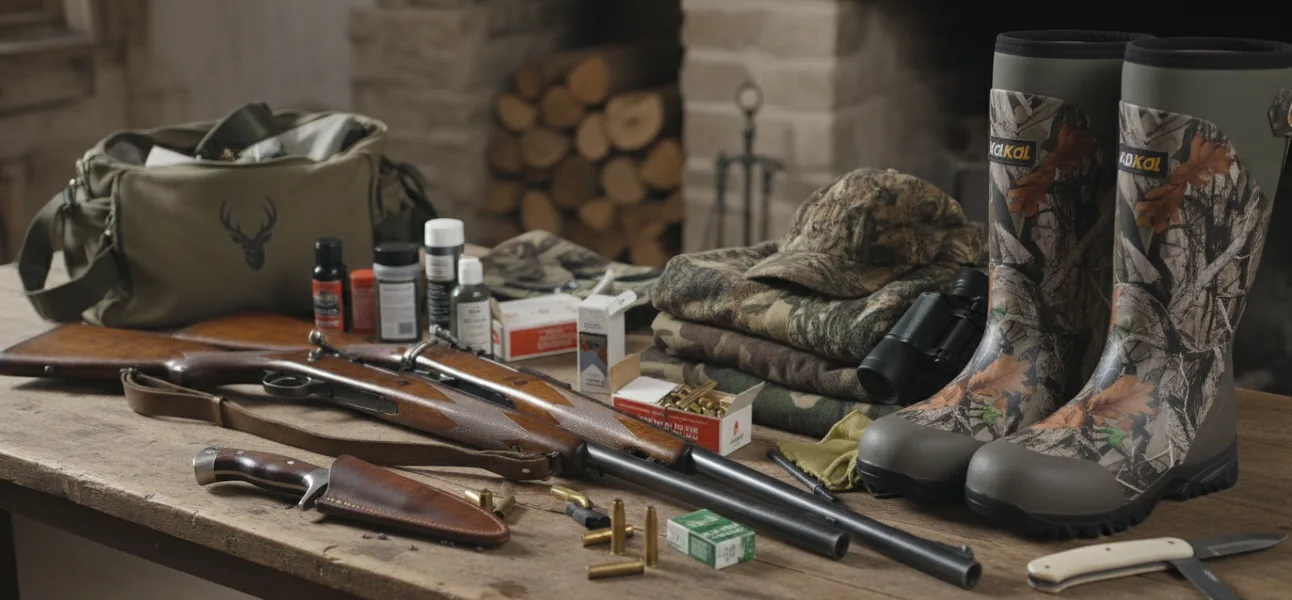
Proper equipment enhances your safety, comfort, and general confidence in the field.
Minor maintenance practices not only are a safeguard to your investment but also save long-term replacement expenses. This guide outlines the specific routines of taking care of your hunting gear, like boots, clothes, weapons, optics, and accessories in a practical way.
You will get to know how to oversee things daily, in the field, as well as how to store them at the end of the season. Such practices help to maintain your direction on hunting and avoid failures at the worst time possible.
Quick Daily Checks Before Each Hunt
Pre-hunt inspection takes five minutes and stops the most frequent problems with equipment.
Begin by examining boots to see whether they have cracks or loose soles, accumulated water, or torn laces. Checks in hunting clothes, whether torn, have a broken zipper, a loose seam, or an unwanted residual odour.
Ensure that the gun locks, triggers, bolts, and magazines move freely and do not hinder movement.
Bow hunters are advised to consider the quality of strings, the level of alignment of the cams, limb cohesiveness, and the working of the release. These are instant audits, which decrease risk and guarantee proper execution during the hunt.
In addition, check the optic lenses for dirt, water, or fingerprints and for distortion of visibility and clarity. Make sure that the binoculars, scopes, and rangefinders are firmly attached and not loose and misfit.
Check knife sharpness and sheath security, so that it is convenient to open the sheath and maintain a secure position. Check the visibility of stand straps, cables, buckles and platforms for wear or rust conditions.
Confirm the charge of the electronics batteries and cleanliness and corrosion-free contacts. These are the tips on the maintenance of hunting gear that take a few minutes and avoid serious safety issues.
Boots & Footwear Cleaning
Field Cleaning and Maintenance For Boots
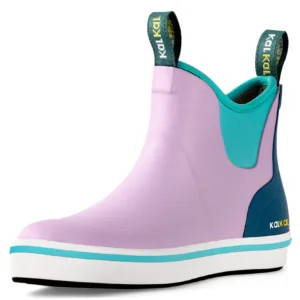
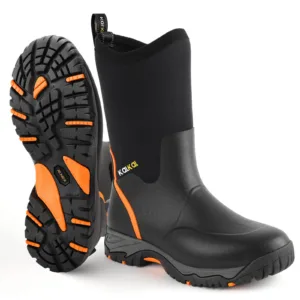
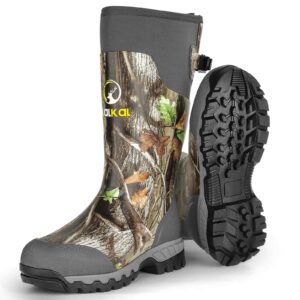
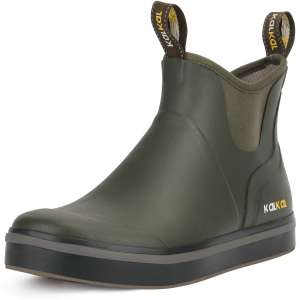
Boots experience constant exposure to mud, water, blood, and rough terrain during hunts.
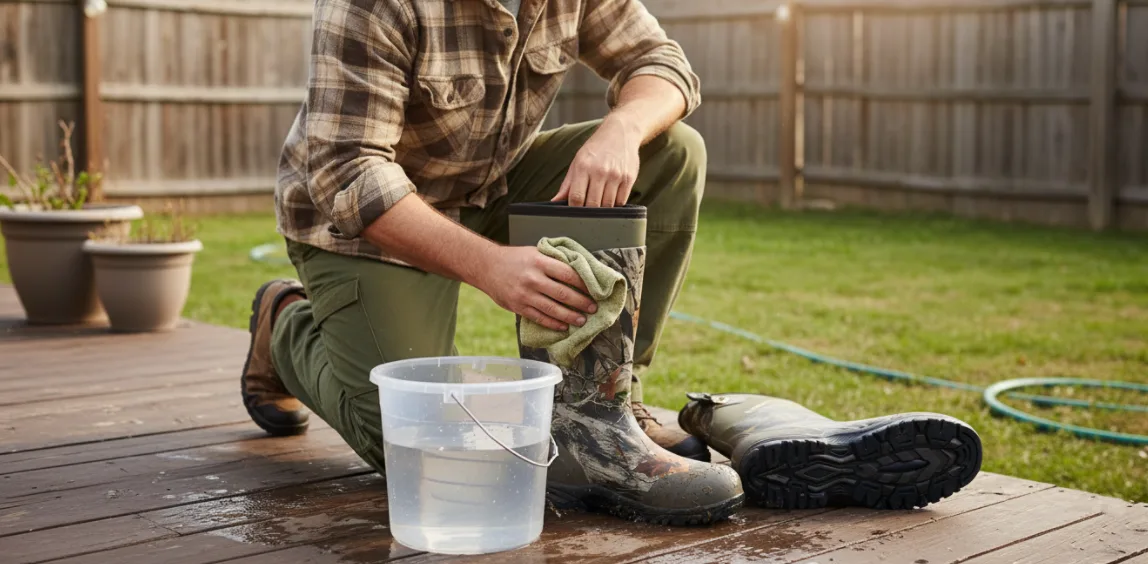
To clean rubber hunting boots, rinse them immediately after each hunt using clean water. Remove mud and debris before drying to prevent cracking and material fatigue.
Leather boots require gentle brushing to remove dirt and dried mud buildup. You can use a soft brush to clean seams and tread areas thoroughly.
Avoid soaking leather boots completely, as excess water weakens fibres and stitches. Wipe surfaces using a damp cloth and allow natural drying afterwards.
Regular cleaning prevents odour buildup and maintains boot flexibility and comfort. Field cleaning also allows early detection of cracks, worn soles, or seam damage. Addressing small issues early prevents sudden failures during extended hunts.
Consistent boot care is one of the most overlooked hunting gear maintenance tips. Clean boots last longer and keep your feet protected across difficult conditions.
Read More: Rubber vs Leather Hunting Boots.
Using Conditioner and Mink Oil Correctly
Leather boots should be used with conditioning in order to be flexible, water-resistant, and comfortable in the long run. Use the conditioner oil on leather after cleaning in case of dry or hard boots.
Apply using a soft cloth evenly on the entire surface of the leather. Mink oil offers extra water protection, albeit to be applied sparingly. Extra mink oil makes leather too soft and breathless during active hunting. Mink oil should only be applied before wet seasons or when there is a lot of moisture.
Give boots time to dry off and get the conditioners out before putting them on once again. Conditioning after every few weeks during heavy use will ensure that the leather remains strong and crack-free.
With the appropriate treatment, leather is not subjected to drying, splitting, or early wear. The long-term performance of leather footwear needs balanced conditioning. Learn more about how to polish your boots.
Drying Properly To Prevent Odour
Poorly dried wet boots are painful, blistered, and have a bad smell. The insoles should be removed as soon as one is off the field.
Dry individually in a well-ventilated place that does not have direct exposure to heat. Boot stuff in a loose way with a newspaper so as to soak up the moisture.
Keep changing wet paper until the boots become totally dry. And, don’t put it closer to heaters, fires, or direct sunlight that scalds away the materials.
Sprinkle baking soda inside boots to prevent odour between hunts. Before leaving boots in, it is essential to let them dry first. Good drying practice is invaluable, as it guards against comfort and cleanliness issues.
Clothing & Scent Management
Washing Hunting Clothes Correctly
Hunting clothes should be washed in a specific way to maintain the fabric functionality and smell-resistance factor. Get fragrance-free laundry detergents that are specially oriented towards hunting gear.
Do not use ordinary detergents, fabric softeners, and dryer sheets. Separate wash clothes and daily laundry to avoid contamination.
Wash items using cold water to preserve waterproofing membranes and elastic fabric. Only use light cycles in washing machines to minimise the damage to technical materials.
Air drying is a better method, although low-heat drying can be used when prescribed. Never ignore the manufacturer’s instructions as indicated in the garment label.
Washing prevents insulation, breathability, and the elimination of the scent. Wearable cleaning clothes will keep you warm and less conspicuous when you are on the hunt.
End-of-Season Care and Storage
Storage at the end of the season maintains the clothes well and efficiently to use in subsequent hunts. Garments should be washed and then properly heat-dried to eliminate the sweat and odour.
Even after wearing, ensure that the clothes are fully dry before putting them in storage containers. Use a breathable bag or scent-controlled storage to house the clothing in the store.
Avoid using plastic bags that prevent moisture and encourage mildew growth. Put blocks of cedar or scent-absorbing blocks in storage rooms.
Keep clothes cold, dry and in areas not exposed to any household odours. Do not use basements or garages that are humid. An important aspect of maintenance tips for hunting gear is end-of-season care. Through good storage, clothing is available and functional next season.
Repairing Tears and Preserving Waterproofing
Small tears are made simple during active hunting seasons, and this will deteriorate in a short time when they are neglected.
Immediately mend some fabric holes with gear mend patch tape or mat material stitched together. Carefully apply seam sealer on the leaking product seam.
Recently reapplied waterproofing with spray-on or wash-in treatment. Wash clothes prior to the use of waterproofing agents. Heat activation enhances bonds between treatments that may be suggested by manufacturers.
The frequent repairs prolong the life of garments and preserve the weather. With the preservation of waterproofing, one can be comfortable even when the weather is wet, snowy, or cold.
Firearms & Bows Caring
Immediate and Post-Hunt Care
Guns and bows should also be given immediate attention after every run so that they do not corrode. Wipe metal surfaces in the field with a cloth with a little oil on it.
Keeps off moisture, dirt and fingerprints leading to rust formation. When home, remove all the bullets from the guns, and then start cleaning.
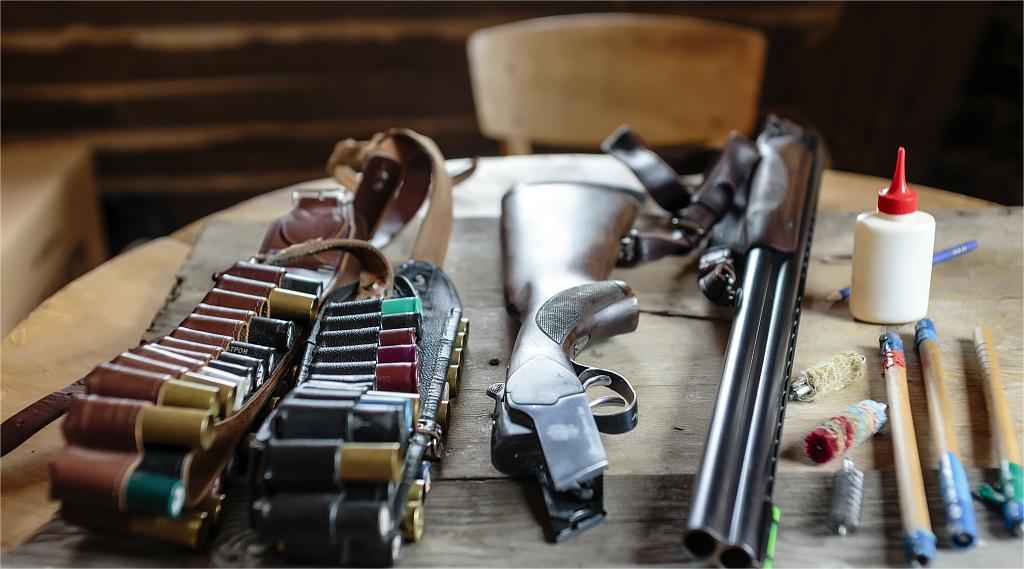
Run a bore snake or cleaning rod through the barrel. Wipe clean bolts, faces, actions and magazines. Learn more about removing the rust on guns.
For bows, wipe limbs, strings, cams, and risers after exposure to moisture. Inspect strings for fray or serving separation periodically.
Keep weapons in good, dry safe places after cleaning. Long-term damage and malfunctions are prevented through constant care during post-hunting.
Troubleshooting Common Problems and Quick Fixes
The inability to fire is frequently caused by water or dirt that is in the firearm’s mechanisms. These problems can be solved in a short time through comprehensive cleaning and drying.
The problems with accuracy can be related to loose scope mounts or broken bow strings. Bow components should always be evaluated as tightening is done, and should be checked.
Surface rust develops when one fails to notice the presence of moisture after hunts. Light oiling prevents the further development of rust.
It is better to solve small problems in time than to create serious failures in the future. One of the most valuable hunting gear care tips is to check it on a regular basis. A reliable weapon can enhance security and trust in a critical situation.
Optics (Binoculars, Rangefinders, Scopes)
Field Cleaning Steps for Optics
To ensure clarity and accuracy of optics in the long run, these should be handled very carefully.
Blowing loose dust away from touching lens surfaces is recommended. Use lens brushes or micro-fibre cloths only to clean it. Do not use clothes or paper products that result in scratching.
Apply lens cleaning solution as sparingly as necessary. Move wipe lenses in a circular motion with the centre moving outwards.
Clean surfaces in the home, with the help of damp cloths, if they are dirty. Include protective covering lenses when not actively glassing. Proper cleaning always maintains optical coatings and image quality.
Preventing Fogging and Condensation
Fogging reduces visibility during critical hunting moments in cold or wet conditions. Allow optics to acclimate gradually between temperature changes.
Avoid breathing directly onto lenses during cold weather. Use anti-fog solutions designed specifically for optical equipment.
Store optics in protective cases with desiccant packs. Remove moisture promptly after rain or snow exposure.
Consistent prevention reduces internal condensation risks. Clear optics improve observation and shot placement accuracy.
Mount and Scope Care
Loose mounts cause accuracy problems and missed opportunities in the field.
It is suggested to check the mount screws regularly for tightness before hunts. Use torque wrenches to avoid over-tightening hardware. Inspect scope rings for alignment and wear signs.
Clean mounting surfaces before reinstalling optics. Apply thread locker sparingly when recommended.
Stable mounts ensure consistent zero and reliable performance. Proper care protects accuracy and equipment longevity.
Knives, Saws, and Gutting Tools
Field Cleaning and Immediate Care
Cutting tools encounter blood, fat, and moisture during field dressing tasks. Clean blades immediately after use with water and mild soap.
Dry tools thoroughly to prevent corrosion and staining. Apply a light coat of food-safe oil on metal surfaces.
Clean folding joints carefully to remove trapped debris. Immediate care keeps edges sharp and safe.
Sharp tools reduce effort and injury risk. Consistent cleaning preserves cutting efficiency and hygiene.
Proper Storage for Cutting Tools
Store knives and saws only when completely dry. Avoid leather sheaths for long-term storage because they retain moisture. You can use plastic or synthetic sheaths instead.
Store tools in dry environments with silica gel packs. Sharpen blades before storage to prevent corrosion on dull edges. Organized storage improves safety and tool lifespan.
Tree Stands & Blinds
Checking and Replacing Damaged Parts
You must have heard of some accidents happened when using tree stand for hunting. Safety should always be given serious attention to tree stands and blinds.
Check straps, cables, chains and welds prior to each season. Change the frayed straps or rusted parts right away.
Inspect platforms for cracking or bending areas. The test stands at a low height before use for hunting. Frequent examinations avoid severe injuries.
Treating Steel Parts and Hardware
When moisture and weather are subjected to the steel elements, rusting takes place very rapidly.
To begin with, if necessary, clean off rust using wire brushes or sandpaper. After that, apply a rust inhibitor or protective paint coverings. Finally, lubricate the bolts and moving joints lightly.
The store is 5ft in ground level when out of season. All this defensive therapy increases longevity and dependability.
End of Season Deep Cleaning & Storage Checklist
Last, let’s run a quick check on the end-of-season maintenance:
- Boots must be well-washed and dried, conditioned, and kept with insoles removed.
- Clothing should be washed, fixed, waterproofed and placed in the scent-controlled containers that are breathable.
- Guns must then be thoroughly cleaned, oiled with light oil and stored in a climate-controlled facility.
- One should wash the bows, examine them, and keep them in line with the manufacturer’s guidelines.
- Optics need lens cleaning, battery removal, and desiccant-protected storage.
- Charged batteries, clean contacts, and dry temperature-stable storage are necessary in electronics.
- Tree stands ought to be washed, repaired, rusted, and kept off the ground.
- Microfiber cloths, scent-free detergents, rust inhibitors, desiccants, leather conditioners, gun oils, and repair kits are some of the recommended supplies.
Conclusion
Tips on maintaining hunting gear are consistent to ensure that equipment is reliable, safe, and available whenever there is a season.
Minor habits help to avoid great failures at the decisive moments. Cleaning, drying, fixing, and storage are all important to increase the lifespan.
You spent your time and money on quality equipment, and you should take care of it. Make use of these routines, and your gear will perform season after season.




Leave a Reply