
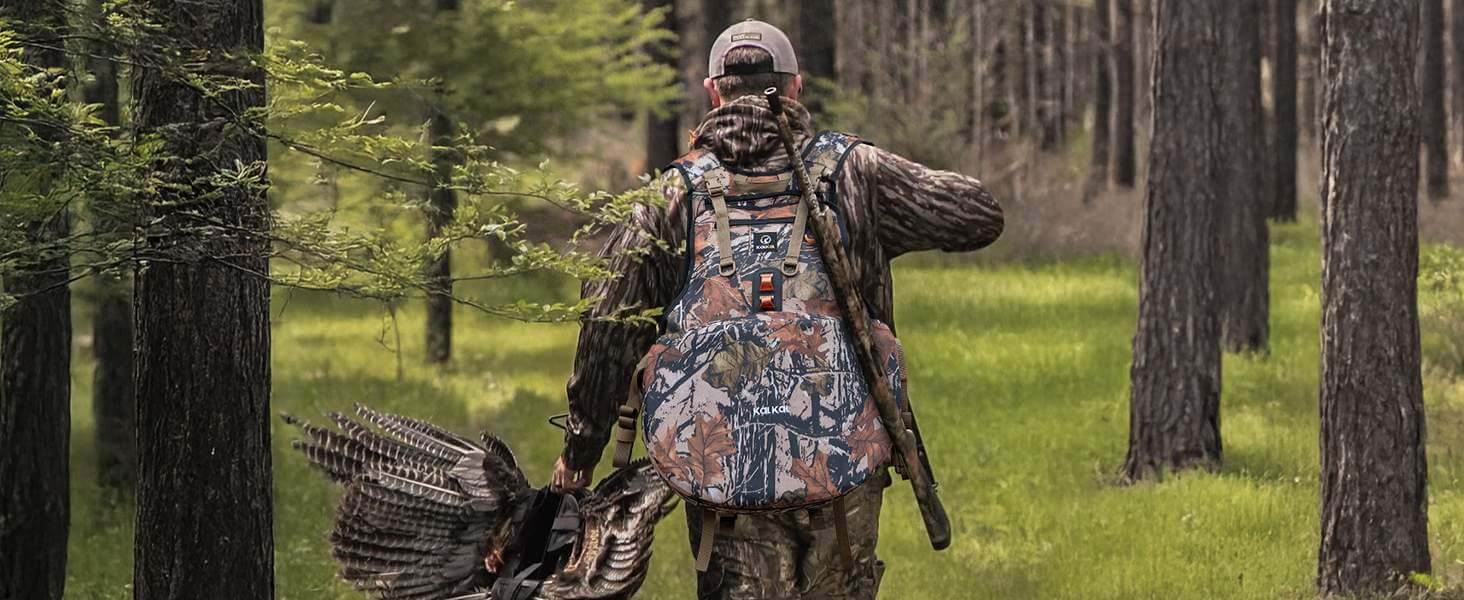
Hunting turkey from a blind has gained popularity among outdoorsmen because this technique provides necessary concealment, together with added comfort for hunters.
However, many others have different opinions. Here we analyze blind turkey hunting benefits and drawbacks and also discuss tactical blind choices, successful hunting techniques, and additional hunting practices. Understanding these factors will improve your turkey hunting success rates as well as your overall experience.
Types of Turkey Hunting Blinds
Selecting the right hunting blind is crucial for a successful turkey hunt. The type of blind you choose can impact your concealment, comfort, and overall hunting experience.
Below are three common types of turkey hunting blinds, their main features, and the best conditions for their use.
1.Pop-up Ground Blinds
- Main Features: The major attributes of pop-up ground blinds include lightweight construction combined with easy portability and simple setup and teardown procedures. These hunting models feature camouflage materials that efficiently disappear into different hunting environments. Weapons and seating should fit into standard ground blind models that offer multiple viewing panels for secure shooting.
- Best Conditions to Use: Open fields would be the perfect hunting environment to use pop-up hunting blind. This product offers fast deployment times that allow hunters to quickly shift locations depending on turkey movement patterns. Turkeys are less likely to spot the hunter because the camouflage breaks up their shape. It also helps them stay hidden during observation. Using pop-up blinds as a hunting setup during changing weather conditions gives hunters the advantage of shelter from wind and rainfall.
2. Portable Hub Blinds
- Main Features: Portable hub blinds surpass pop-up blinds in stability and interior room dimensions. The hub-style frame design on these blinds delivers improved stability in specific weather conditions, especially when winds blow. Multiple hunters can use these blinds because they offer sufficient space to accommodate several hunters at once. This type of blind offers an ample quantity of interior room for storing hunting equipment so you can stay comfortable during extended hunting trips.
- Best Conditions to Use: The hub blind structure enables successful use during prolonged hunting sessions, along with flexible weather conditions. A hub blind structure proves resistant to wind forces surpassing those of pop-up blinds which makes it an optimal choice for regions with windy conditions. Hub blinds provide an excellent choice for hunting trips since they allow more space which benefits equipment carrying and hunting alongside companions.
- The bub blind’s structure allows it to be used during long hunts and in various weather conditions.It offers better wind resistance than pop-up blinds, making them ideal for windy areas. Their larger size also offers a large space for hunting with companions.
3. DIY Natural Blinds with Local Foliage
- Main Features: DIY natural blinds use local hunting area resources, like tree branches, leaves, and grass. Reliability in building camouflage blinds lets hunters create personalized concealment patterns to hide in their hunting areas. These blinding solutions offer affordable alternatives for hunters who want to stay involved in their hunting methods with a classic approach.
- Best Conditions to Use: Natural blinds prove to be optimal in environments with tree cover since the indigenous vegetation becomes vital for constructing effective concealment areas. Turkey hunters benefit most from this method while stalking in areas with thick forests, and respond rapidly to turkey movements.
Considerations When Choosing a Turkey Hunting Blind
The blind selection should include high-quality materials that will hold up under all types of weather. The durability of these blinds extends their service life and provides enhanced protection when you pursue your hunting objectives.
When planning a hunting blind, you should determine how many hunters will join and what equipment you will carry. The blind dimensions should give you enough mobility to move inside freely while maintaining weapon capability.
Your hunting plan needs a lightweight and simple-to-move blind for successful movement through the environment.
Blinds have two setup options: fast, simple installation or time-consuming installation requirements. Use a blind type that fits your time and experience in hunting.
The camouflage pattern of the blind needs to match the hunting environment and improve its ability to blend in with the surroundings.
Should You Use a Blind for Turkey Hunting?
A well-chosen blind can be a game-changer in many turkey hunts, but it’s not always the best tool.
Blinds offer superior concealment, weather protection, and the ability to stay put when long, patient sits are needed. They also make hunting accessible for partners with limited mobility or for family hunts with inexperienced participants.
However, a blind reduces mobility and can slow reaction time in situations that favor quick relocation or dynamic calling.
In our opinions: use a blind when conditions reward concealment and stationary patience; avoid it when the hunt demands speed, stealthy movement through heavy cover, or frequent repositioning.
When a blind is a smart choice:
- Open fields, pastures, or agricultural edges where turkeys can see from long distances.
- Poor weather (rain, wind, cold) that would otherwise end the hunt early — a blind keeps you comfortable and hunting longer.
- Hunts with less-mobile companions (injury, age, children) or long stakeouts where comfort matters.
- When you plan to use multiple decoys and want a stable hide to control visibility and movement.
- Public-land scenarios where you expect birds to be flighty and need solid concealment to let them come close.
When a blind makes hunting harder:
- Thick, mature timber with lots of undergrowth where turkeys move frequently and you must stalk or “run-and-gun.”
- Small woodlots and broken terrain that require rapid, quiet repositioning.
- Situations where calling patterns indicate birds are moving across many small openings. Mobility is more important.
- If you cannot set a blind with realistic natural concealment.
Here is a quick decision checklist. If you answer more ”Yes”, then you should bring a blind.
- Will you be hunting an open area or field edge?
- Is bad weather likely or likely to shorten a sit?
- Are your hunting partners less mobile or inexperienced?
- Do you plan to remain in one spot for long periods rather than move?
- Are turkeys known to be hesitant and need heavy concealment to commit?
- Will you need to move quickly often or hunt in dense understory?
- Do you expect to call and then immediately pursue birds that respond?
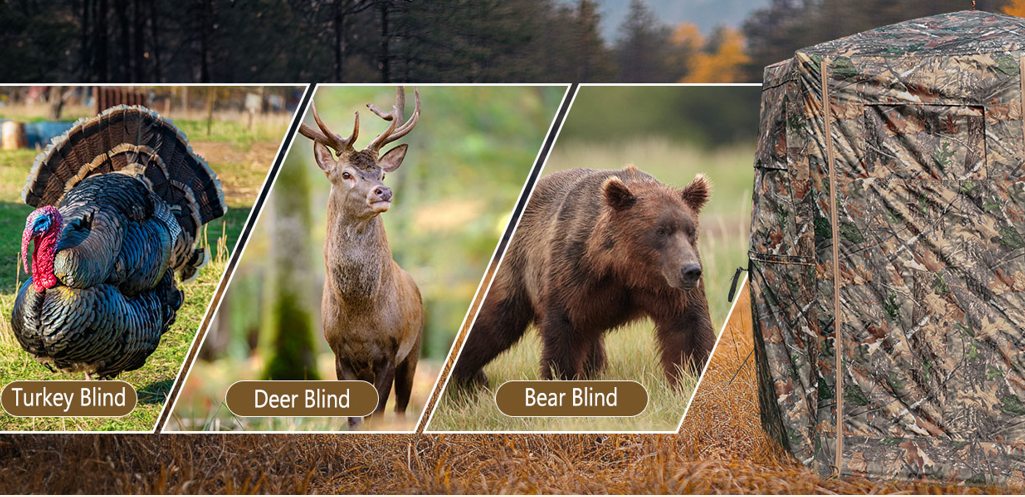
How to Hunt Turkey from a Blind: Step-by-Step Guide
1. Selecting the Right Location
- If you need visibility and are planning to use decoys to bring wild turkeys from a ways off, choose open fields. During mating season, turkeys tend to strut around in open spaces.
- Place your blind in wooded areas near feeding sites, roosting areas, or in travel corridors through where turkeys pass. Check more on How To Locate Turkey Roost.
- Be sure that the location is a good concealment spot as well as has a clear shooting lane.
2. Setting Up Your Blind
- It is best to place your blind well in advance of your hunt, ideally the day before, so turkeys can become accustomed to its presence.
- Position the blind so the blind faces where turkeys are likely to approach; this could be a suitable dusting site or scratching site.
- Use natural foliage and brush to blend your blind with the environment. This can alert turkeys and should never be placed in direct sunlight.
3. Avoiding Spooking Turkeys
- The blind enter quietly before the first light and be patient.
- Do everything possible to keep windows closed except shooting lanes necessary to minimize the visibility of inside movements.
- When possible, wear dark or camouflage clothing inside the blind to reduce the contrast.
4. Placing Decoys Near Your Blind
- When turkeys are at the decoy, decoys are placed 15–20 yards from the blind at angles that will direct the birds into your shooting lane.
- In spring, decoy mixtures with a combination of hen and jake decoys will attract dominant toms.
- Alter tactics depending on turkey reactions; sometimes imperceptible modifications will enhance interest.
5. Calling in a Turkey
- To begin with, murmurs and clucks and purrs sound like content or feeding turkeys.
- If the turkeys are at a distance, use yelps to attract attention.
- Watch carefully whatever turkeys do. Try changing the rhythm or tone of your calls if a tom answers but does not come forward. Here are 7 Best Turkey Box Calls for your choices.
- Move realistically with decoy stakes or bewildering a fan to replicate a strutting tom.
Alternatives to Blind Turkey Hunting
For turkey hunting, though ground blinds are popular, other alternative methods such as stalking, tree stand hunting, or the run-and-gun tactic present themselves as exciting options. Each approach has its skills and strategies that require a certain degree of hunting preference.
1. Stalk Hunting
This is a challenging but rewarding method called Stalk Hunting which is done by moving silently through turkey habitats. Turkeys and hunters rely very much on terrain and natural cover for concealment while carefully observing turkey movements.
To implement this approach, you will need to know everything there is to know about turkey behavior: how they eat, vocalize, and so on. Because even the slightest noise alerts turkeys, just about anyone not ready for a later-season hunt that tests a hunter’s stealth and patience should bypass the stalk.
It works for active hunting for those who prefer to test tracking and concealment skills.
2. Hunting From a Tree Stand
Hunting turkey from a Tree Stand enables a greater field of vision for hunters. Hunters get an advantage as turkeys rarely look up. Thin out calories from trees to increase the chance of seeing turkeys and place a tree stand close to the area where turkeys are feeding or traveling.
Hunters that target deer find this method especially attractive because they can spend more time in the field during overlapping seasons during the same time.
3. The Run-and-Gun Tactic
Run and Gun Tactic appeals to those who love a fast-paced pace aggressive style of hunting. In some sense, it is about moving through large areas, calling with turkey calls to where responsive birds are located.
Fundamental to the technique are physical stamina, sharp listening skills, and quick decision-making. The technique is ideal for hunting in unfamiliar or expansive terrain and provides the hunter with the ability to change strategies quickly as proportions vary to turkey responses and improve success rates.
To improve your hunting experience, check out the Kalkal Run-and-Gun Turkey Vest to enhance your comfort and functionality in the field. With its lightweight design, built-in seat, and ample storage, you’ll have everything you need for a successful day of hunting with easy access.
Conclusion
Hunting turkey from a blind has definite advantages that make it particularly appealing to hunters. The pros and cons of this method exist, though effectiveness relies on how the hunter hunts and under what conditions.
Another option is to explore other tactics, such as stalk hunting, run and gun, or tree stands as alternatives that may prove successful. Choose the correct method that fits you and your training objectives for a successful turkey hunt.

Leave a Reply