
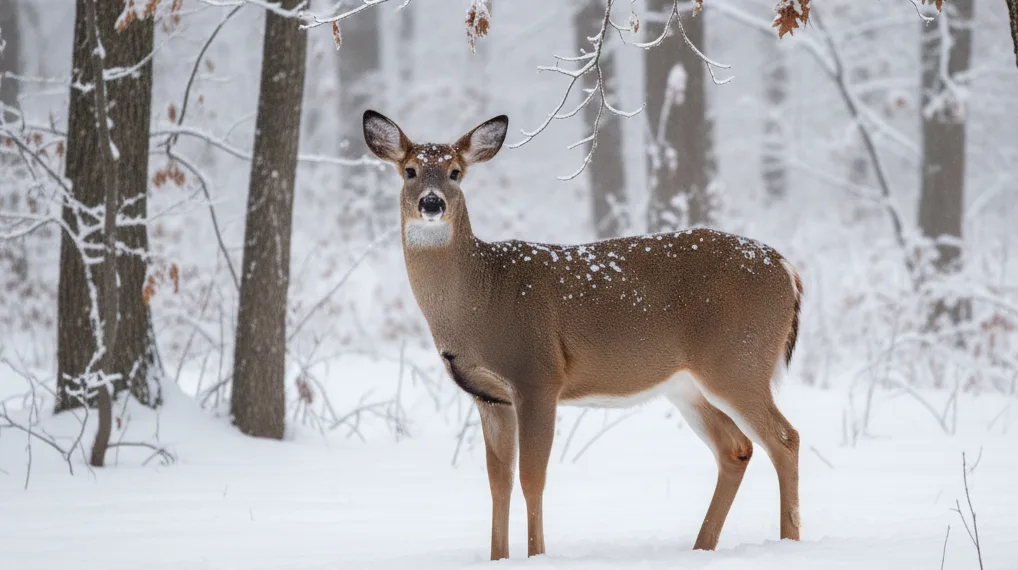
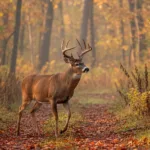
Deer hunting in late season is a trial of patience, ability, and knowledge of the survival behavior of the whitetail. Deer survived the months of pressure, fluctuating food supply, and severe weather conditions by winter.
You will never hunt late season like you had hunted early fall or peak rut. The key to success is now in the silent action, intelligent planning, and timing.
Knowing how deer think is a big advantage in winter. Late-season hunting is a reward to hunters to slow down and look, and prioritize needs such as food, cover, and safety. With the correct plan and end clothes, it will still be possible to tag a mature buck when everyone has given up.
Understanding Late Season Deer Behavior
Late season, in most cases,starts when the primary rut and gun season is finished.
In northern regions such as Michigan, Wisconsin, Pennsylvania, and Minnesota, the late season normally begins in December and extends into January.
In southern states such as Texas, Alabama, Georgia, and some of the southern part of Mississippi, the late season can last up to February.
Motions of the deer are characterized by snow, low temperatures, and even limited food supply. Light winters do not alter the deer behaviour, though the scarcity of food is more significant than the temperature.
Bucks move to survival mode during the winter season. They devote considerable attention to saving energy and locating food with a high calorie count every day. They are hindered, predictable movements that are often restricted to short wanderings between bed and food.
Being deer cuts down unnecessary movements to conserve calories used in getting warmth. Once the men move on to a different place, they form bachelor groups, especially to keep warm. These populations like thick cover, slopes that face south, and areas that are not exposed to strong winds.
The pressure of hunting in the late season is considerable due to months of hunting. Deer do not take long to understand what places they do not feel safe.
They do not play in the open spaces when it is daylight, but in shaded corners. The circumstance of a deer on public land after firearm seasons makes it extremely cautious.
To minimize their exposure, they have beds near food. You need to suppose that all the deer have already gone through a series of near escapes. Success during the late season involves accuracy, patience, and cunning.
Top 7 Late-Season Deer Hunting Tips For Success
The late-season deer hunting requires changes in approach and attitude. These tips are centered on high-impact actions that will generate results in the long run.
1. Target Smaller or Hidden Food Sources
Deer in late season are more concerned with calories than with all other things. Although large plots of land under farming are tempting, pressured deer usually evade them during the day. Rather than that, turn to local small sources of food.
Leftover soybeans, corn edges, plots of brassica, acorned oak flats, and honeysuckle will all attract deer. Clear-cuts and other areas of thin browsing, such as hardwood forests, develop into important winter food sources too.
The sources of unfrozen water are more important to many hunters than they may seem to be. Otherwise, frozen streams, springs, and ponds south-facing give sure access. To reduce travelling, deer usually sleep near such locales.
When you accidentally come across new tracks leading between cover and food in proximity to the water, you have probably found a usable daytime pattern to follow.
2. Hunt the Correct Timing and Focus on Afternoons
Mornings during late seasons may be very challenging. Deer usually come back to bedding places late before dawn and stay there for hours.
Deer will not move early readily, especially in cold weather, unless forced to. Afternoons have always been more successful than mornings during the late season.
When it becomes slightly warm in the afternoon, the deer start feeding earlier. You usually notice that there is a lot of movement two or three hours before sunset.
Afternoon hunting also lowers the chances of forcing out deer in the resting spots. With limited time, it is better to have afternoon sits with higher odds. Check more about the best time to hunt deer.
3. Locate Pressured Deer in Remote Public Land Areas
Deer relocate to areas that humans would not dare enter after months of hunting pressure. In the open country, it implies the deep cuts, thick shrubbery, marshy fringes, and sharp spots and angles. Even though numerous hunters do not go after these places because of the hard work or inconvenience.
Pinch points that are remotely located on maps should be used. Check pillows, forsaken timber fingers, and deep bedding mats around the food. When there is thick cover, pressured deer usually feel safe near human access points.
4. Track Fresh Deer Trails in Snow or Mud
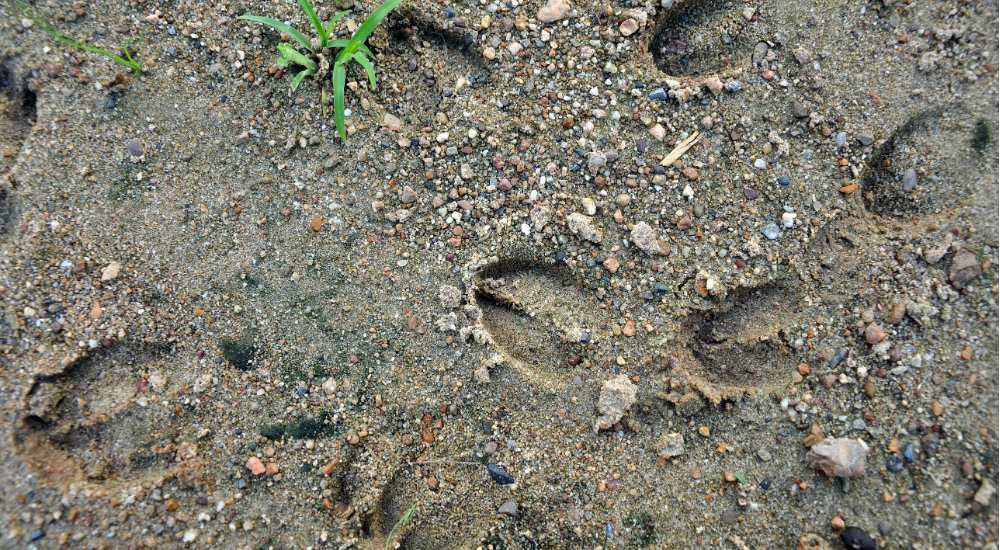
Snow shows all that deer did last night. New tracks educate you to know the precise direction of movement, the numbers in the group, and the time of travel.
Big steps and big strides usually show old bucks. Follow deer tracks attentively to find sleeping space, corridors, and feeding areas.
It works better after fresh snow or melting. Slowly proceed and look through a lot of glass in front. Deer usually sleep together, particularly in heavy undergrowth. There are muddy trails in food even in the absence of snow. Fresh tracks beat old signs every time during the late season.
5. Seize the Opportunity on the Second Rut
Many hunters overlook the second rut entirely. This occurs when an unbreed does enter estrus weeks after the primary rut.
Younger does and missed breeding opportunities trigger renewed buck activity. This period often falls late December through early January, depending on the region.
During the second rut, bucks move during daylight searching for receptive does. Movement increases around bedding edges and travel corridors.
Calling and scent tactics become more effective again. Even tired bucks respond when breeding instincts resurface briefly.
6. Adjust Entry and Exit Routes With Extreme Stealth
In the late season, deer cannot endure much disturbance. Noises made by entry routes, or feeding zones, or walking ridges are devastating the hunts immediately.
Avoid the use of bedding cover and food source in planned routes. Movement is to be concealed by use of terrain, creeks, and dense vegetation.
It is as much a question of getting out as of getting in. Silent departure does not allow deer to correlate places of feeding and danger.
Deer tend to vacate an area when they blow during the darkness. A clean exit saves the future hunting and habits.
7. Strategically Use Calls, Decoys, and Scents
Calls made late in the season should be covert. Bucks that are in pressured condition are often scared by aggressive rattling. Soft grunts will interrupt the movement of deer or drag it a little bit. The grunt calls are also effective during the second rut.
Doe decoys are most effective towards the end of the season in the afternoons when there is food. Bucks in search of final mating spots might explore carefully.
Scent control needs to be applied minimally. Real doe estrus near trails or scrapes can make them seem more natural, but overuse educates deer quickly.

Essential Late-Season Deer Hunting Gear
Late-season success depends heavily on comfort and warmth. Cold hunters make poor decisions and leave early. Proper late-season gear keeps you focused longer.
Cold-Weather Layers and Outerwear
Layering is critical for winter hunting. You should start with moisture-wicking base layers made from merino wool or synthetic blends. Add insulating mid-layers like fleece or lightweight down. Finish with windproof, waterproof outerwear designed for cold weather camo.
Quiet materials matter greatly. Late-season deer hear everything, as many hunters prefer brushed fabrics that reduce movement noise.
Boots, Gloves, and Headwear
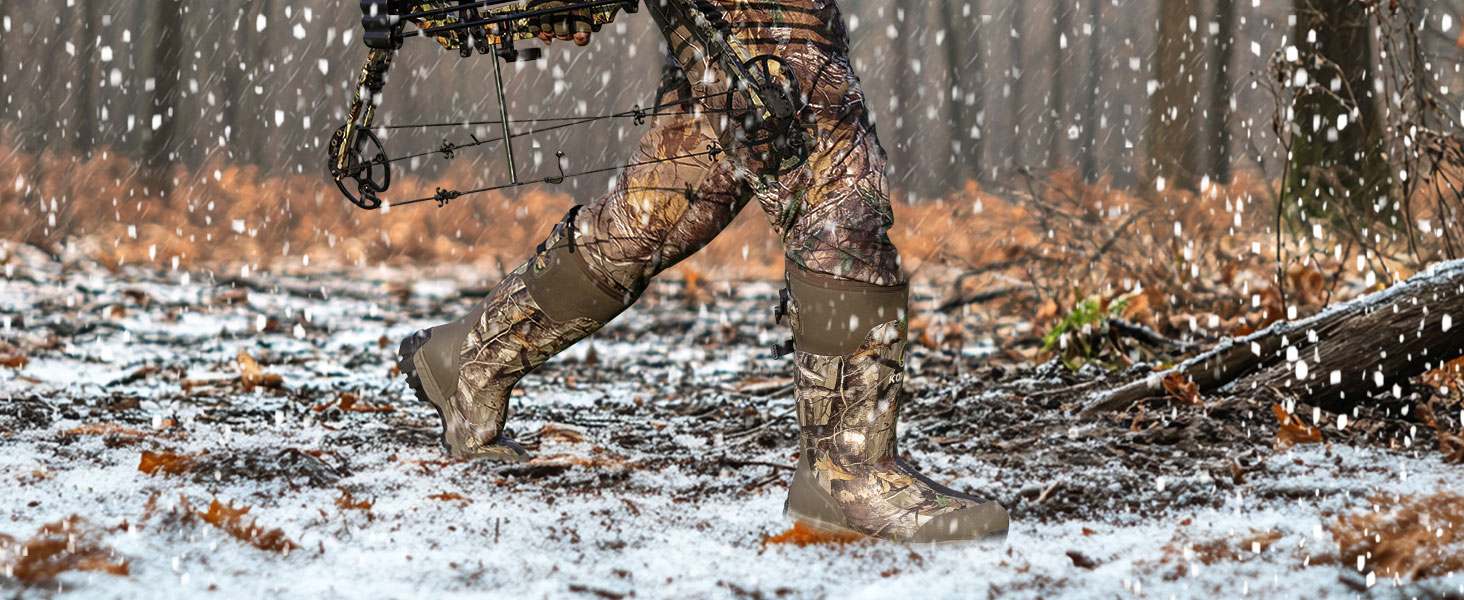
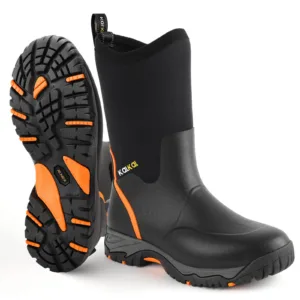
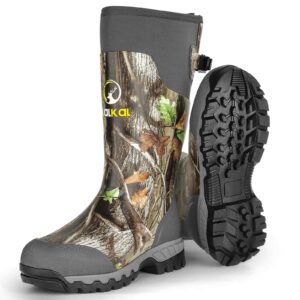
Cold feet can ruin your hunt. Insulated boots rated for extreme temperatures work best during late season sits. Look for boots with removable liners for moisture control. Merino socks provide warmth without bulk.
Gloves should allow shooting dexterity while retaining heat. Layered glove systems work well. Insulated beanies and balaclavas reduce heat loss significantly as heat escapes fastest from the head and neck.
Heated and Comfortable Gear
Heated vests, socks, and hand warmers extend sit time greatly. Battery-powered heated clothing offers adjustable warmth without heavy bulk, and many late-season hunters rely on these tools for all-day sits.
Portable seat cushions and insulated tree stand pads prevent heat loss through contact. Comfort directly improves patience and shot opportunities during winter hunts.
Neck Gaiters for Heat Retention
Neck gaiters trap warmth effectively and block wind, and also reduce facial exposure and conceal movement.
Lightweight fleece or merino gaiters work best without restricting breathing. This small piece of gear makes a noticeable difference during long cold sits.
Fog-Proof Optics and Tripods
Cold temperatures cause optics to fog easily. Fog-proof binoculars and scopes ensure clear visibility during critical moments. Quality coatings prevent condensation buildup during temperature changes.
Tripods stabilize optics for long glassing sessions. Spotting deer at a distance reduces unnecessary movement, and even basic tripods improve efficiency during late season scouting.
Common Questions About Late Season Hunting
How does deer behavior change in the late season?
Will deer calls and rattling still work during the late season?
Should you hunt mornings in the late season?
How do you find deer beds in the late season?
What is the ideal wind speed and direction to hunt in winter?
How close should you set up your stand to the food source?
Can you still use mineral or attractant blocks in the late season?
How far should you track a wounded deer in snow?
Conclusion
Late season deer hunting rewards hunters who adapt rather than quit. Understanding winter deer behavior gives you clarity that others lack.
Focus on food, safety, and precise timing. Use stealth, patience, and the right late-season gear to extend your comfort. Afternoon hunts, subtle tactics, and overlooked locations consistently produce results.
When pressure pushes deer into survival mode, smart hunters adjust and succeed. Late season may be challenging, but it often delivers the most satisfying harvests of the year.
Leave a Reply