
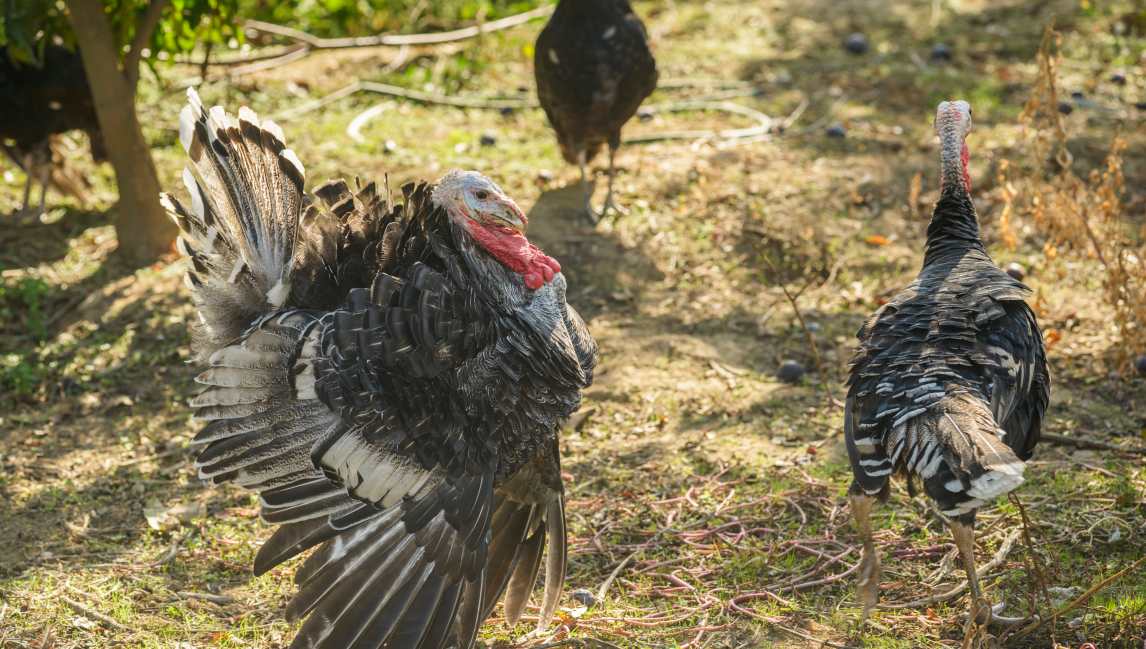
The wild turkey population in the US stands at approximately 6.5 million for 2025. Texas leads all states in wild turkey numbers, supported by data from the Texas Parks & Wildlife Department. Other top states for wild turkey populations include Mississippi, North Carolina, California, Kentucky, Missouri, and Georgia. Alaska remains the only state without a wild turkey population.
As a turkey hunter or an observer, it is important to understand the turkey population trends, as they provide valuable insights into the health of the ecosystem, inform sustainable hunting practices, and help ensure the long-term population for future generations.
Let’s first check a full state-by-state breakdown and analysis in the sections below.
Key Takeaways
- The US wild turkey population in 2025 is about 6.5 million, with Texas having the largest number.
- Most states have wild turkeys, but Alaska has none due to its cold climate and lack of suitable habitat.
- Wild turkey numbers vary widely by state, with some states showing increases and others facing declines.
- Habitat quality, weather, and conservation efforts strongly influence wild turkey survival and growth.
- Regulated hunting helps manage populations without causing long-term declines, supporting healthy turkey numbers.
Wild Turkey Population Overview in The US
The wild turkey population in US stands at about 6.5 million for 2025. This number reflects the combined estimates from state wildlife agencies and conservation groups. It shows that wild turkeys remain widespread across most states and continue to thrive in future. Many regions support healthy flocks due to suitable habitats and ongoing management.
Some states support much larger wild turkey populations than others. However, Alaska is the only state without a wild turkey population. All other states report at least some wild turkeys in their forests, fields, or woodlands.
Texas leads the nation, with an estimated 600,000 wild turkeys in 2025. Mississippi, North Carolina, California, Kentucky, Missouri, and Georgia also rank among the top states.
These states offer large areas of suitable habitat and strong conservation programs. With thriving turkey populations, they would be among the top destinations for turkey hunting.
The following table highlights the top five and bottom five states by estimated wild turkey numbers in 2025:
| Rank | State | Estimated Population |
| 1 | Texas | 600,000 |
| 2 | Missouri | 350,000 |
| 3 | Georgia | 320,000 |
| 4 | Kentucky | 310,000 |
| 5 | Mississippi | 300,000 |
| … | … | … |
| 47 | Hawaii | 1,000 |
| 48 | Rhode Island | 800 |
| 49 | Delaware | 700 |
| 50 | Alaska | 0 |
States with smaller populations often have less suitable habitat or face more environmental challenges. Alaska does not have a wild turkey population due to its climate and geography.
Wild Turkey Population by State
2025 State Estimates
Wildlife agencies and researchers use advanced methods, such as field surveys, telemetry, and harvest reports, to estimate these populations. This data helps wildlife managers track trends, identify areas of concern, and conduct conservation efforts.
The following table highlights the wide range of wild turkey populations across the country:
| State | Estimated Wild Turkey Population 2025 | Population Trend |
| Texas | 510,500 – 575,000 | Increasing |
| California | 250,000 – 400,000 | Stable/Varies |
| Kentucky | 250,000 – 400,000 | Stable |
| Mississippi | 280,000 | Not specified |
| North Carolina | 270,000 | Not specified |
| Missouri | 47,119 | Decreasing |
| Georgia | 320,000 | Not specified |
| New York | 170,000 | Not specified |
| Virginia | 170,000 | Not specified |
| Iowa | 150,000 | Not specified |
| Montana | 120,000 | Not specified |
| West Virginia | 116,500 | Not specified |
| South Carolina | 95,000 | Not specified |
| Oklahoma | 94,000 | Not specified |
| Arkansas | 91,910 | Not specified |
| Maine | 80,000 | Not specified |
| Tennessee | 63,856 | Stable |
| Wisconsin | 50,435 | Not specified |
| Idaho | 53,000 | Not specified |
| Maryland | 45,000 | Not specified |
| New Hampshire | 45,000 | Not specified |
| Oregon | 45,000 | Not specified |
| Vermont | 45,000 | Not specified |
| Louisiana | 40,000 | Not specified |
| Pennsylvania | 39,300 | Not specified |
| Massachusetts | 35,000 | Not specified |
| Colorado | 30,000 | Not specified |
| Arizona | 28,100 | Not specified |
| Utah | 25,000 | Not specified |
| New Mexico | 21,000 | Not specified |
| New Jersey | 20,000 | Not specified |
| Nebraska | 20,000 | Decreasing |
| Ohio | 15,535 | Increasing |
| Illinois | 18,189 | Record high |
| Minnesota | ~16,600 | Near record high |
| Delaware | 6,000 | Not specified |
| Nevada | 1,600 | Not specified |
| Washington | 2,000 | Increasing |
| Rhode Island | 331 | Stable |
| Hawaii | 1,000 | Not specified |
| Alaska | 0 | No population |
According to the above table, we can know that some states in the U.S. have a lot of wild turkeys, like Texas, Kentucky, and California. They have big areas of good habitat and strong management. These states often have stable or growing turkey populations.
On the other hand, states like Missouri and Nebraska have faced declines, which worries wildlife managers. Smaller states, such as Rhode Island and Hawaii, only have small flocks because they lack enough habitat.

Trends Increase by State
Some states have seen recent increases in wild turkey numbers. Between 2014 and 2019, spring harvests rose in 24 states, showing that local populations can rebound with good habitat and management.
For example, Ohio and Illinois reported record or near-record wild turkey harvests in 2023 and 2024. Mississippi also saw a 30-40% increase in young male turkeys, called jakes, after a strong hatch in 2022. These gains often follow years with mild weather and successful nesting.
| Metric | Time Period | Trend Description | Numerical Details |
| Spring harvest by state | 2014-2019 | Mixed trends | Increased in 24 states, decreased in 22 states, unchanged in 1 state |
| Mississippi jake sightings | 2022 | Significant increase | 30-40% more jakes after strong hatch |
| Illinois harvest | 2023-2024 | Record high | Over 18,000 turkeys harvested |
Trend Decline by State
Many states continue to report declines in wild turkey numbers. Missouri’s wild turkey population dropped by over one-third in less than 20 years, with nearly a 50% decline in northern Missouri since 2004.
Georgia’s turkey harvest fell by almost 70%, from over 40,000 gobblers in 2005 to 11,909 in 2023. South Carolina saw a 40% drop in productivity from about 3.5 poults per hen to 2.1, and a 50% decline in spring harvest since the early 2000s.
Alabama and Wisconsin also report lower productivity and fewer turkeys seen by hunters. Alabama’s poult-to-hen ratio below sustainable levels for a decade. Hunters in Wisconsin report fewer turkeys and less gobbling, with a 17% drop in spring harvest in 2021.
These declines are often linked to poor nesting success, habitat loss, and changing weather patterns.
Yearly Comparison
Researchers in the U.S. have tracked yearly changes in wild turkey populations. From 2014 to 2019, the total wild turkey population declined by about 3%, and spring harvests decreased by 13%.
The largest declines happened in states like Arkansas, Louisiana, Oklahoma, and Georgia. Iowa’s population shows a slow decline, with fewer young turkeys surviving each year. Studies find that most states now average fewer than two poults per hen, which is below the level needed to keep populations stable.
A major study reviewing 50 years of data found an average 9% yearly decline in eastern wild turkey populations. The study points out that adult female survival and successful reproduction are the most important factors for long-term trends.
Influencing Factors For Turkey Population
Habitat Changes
Habitat quality plays a major role in wild turkey survival. Open forests, savannas, and grasslands are crucial for nesting and raising young turkeys. When these habitats disappear because of development, farming, or fire suppression, turkeys lose vital places to nest and care for their young.
In Wisconsin, studies show that hardwood forests, agricultural crops like corn, and open areas all affect where turkeys live. Deep snow in northern areas limits their movement and survival, while milder winters in the south help turkeys thrive.
Practices like prescribed burning and planting native grasses can restore habitats and support healthy turkey populations. By addressing these issues, we can help protect and support wild turkey populations for the future.
Hunting Impacts
Hunting can have both positive and negative impacts on turkey populations.
On one hand, regulated hunting helps manage turkey numbers and prevents overpopulation, which can lead to habitat degradation. It also generates funding for conservation efforts and habitat restoration projects.
On the other hand, excessive hunting pressure can reduce populations, especially if hunting seasons are not properly regulated or if breeding populations are heavily targeted. It’s crucial for wildlife managers to set appropriate bag limits and monitor turkey numbers to ensure sustainable hunting practices.
By balancing hunting with conservation, we can support healthy turkey populations while allowing for responsible hunting opportunities.
Conservation Efforts
Conservation programs have helped wild turkeys recover from past declines. Since the 1950s, trap and transfer projects have reintroduced turkeys to 48 states.
Organizations like the National Wild Turkey Federation support habitat restoration by planting native vegetation. States use hunting licenses, permits, and bag limits to maintain healthy populations.
Recent research uses GPS tracking and genetic analysis to study nest success, poult survival, and the effects of land management. These efforts guide decisions that support turkey conservation.
Environmental Effects
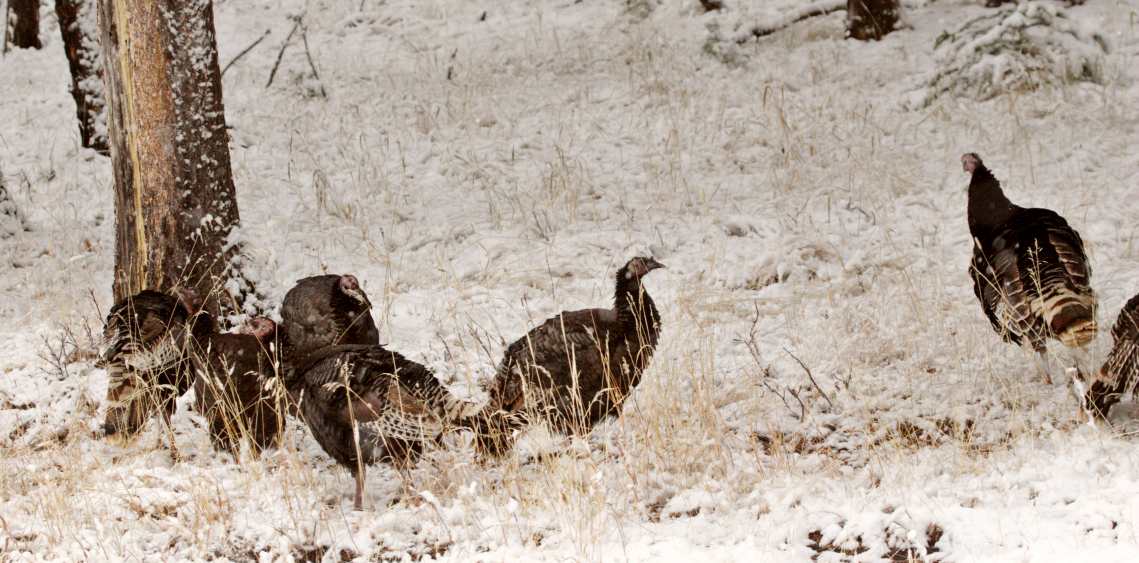
Environmental factors like weather and climate change also significantly influence turkey populations. Drought, wildfires, and insect infestations can destroy essential roosting and feeding grounds.
Research in Arizona shows that turkeys prefer mixed hardwood and pine forests at specific elevations for roosting and foraging. Changes in temperature and precipitation can alter nesting dates slightly, but extreme winter storms can lead to high adult mortality rates.
In northern states, turkeys often rely on immigration from southern populations to survive harsh winters. Therefore, maintaining climate-resilient habitats is crucial for their long-term survival.
Conclusion
By 2025, wild turkey numbers will reflect the dedication to conservation and habitat management. Restoration projects by organizations like the U.S. Forest Service and the National Wild Turkey Federation have created strong populations through improved forests and grasslands.
Ongoing research and monitoring, including studies in Oklahoma, reveal both successes and challenges for wild turkeys. Continued attention to habitat quality and active management will help maintain healthy turkey populations. We hunters can support conservation by staying informed about wildlife trends.
FAQ
What is the main reason wild turkey populations change from year to year?
Wild turkey populations change due to habitat quality, weather, and food availability. Conservation efforts and hunting regulations also play a role in helping turkeys thrive.
Which state has the largest wild turkey population in 2025?
Texas has the largest wild turkey population in 2025. The state supports over half a million wild turkeys. The state has large areas of suitable habitat and strong management help maintain this leading position.
Why does Alaska have no wild turkeys?
Alaska has no wild turkeys because its climate is too cold and harsh. The state lacks the forest cover and food sources that turkeys need to survive. And, wildlife agencies have not introduced turkeys there.
How do wildlife agencies estimate wild turkey numbers?
Wildlife agencies use field surveys, hunter reports, and technology like camera traps to estimate wild turkey numbers. These methods can provide accurate data for each state.
Can hunting affect wild turkey populations?
Hunting can impact wild turkey numbers, but state agencies will set season rules and limits to keep populations healthy. Most research shows that regulated hunting does not cause long-term declines.



Leave a Reply